Eating a variety of nutritious, healthy foods is crucial for overall health. A diet rich in fruits, vegetables, and beans provides essential nutrients high in fiber, vitamins, and minerals like calcium, contributing to well-being. Choosing sources of healthy fats, such as those found in fish, supports heart health and reduces the risk of heart disease. Limiting the intake of sugars, salt, and processed foods is vital to maintaining a balanced diet. Learning about nutrition and dietary guidelines from sources like the NIH can aid in making informed food choices. For both children and adults, a daily intake of nutritious, low-calorie foods not only provides energy but also helps reduce the risk of chronic diseases. Prioritizing healthy eating habits can significantly impact one’s health, particularly for women, creating a foundation for a healthier lifestyle.
The National Institutes of Health (NIH) is the primary agency of the United States government responsible for biomedical and health-related research. It consists of 27 different institutes and centers, each focusing on specific areas of health and disease. NIH’s mission is to conduct and support research to advance scientific knowledge, improve public health, and develop innovative approaches to various health challenges.
Numerous foods offer both health benefits and delicious flavors. Incorporating a selection of fruits, vegetables, high-quality protein, and whole foods into your plate results in vibrant, adaptable, and beneficial meals.
Below are 5 nutritious healthy food and delightful options to add to your diet.
Fruits and Berries
Fruits and berries are popular choices for maintaining health.
They offer sweetness, nutritional value, and ease of inclusion in your diet due to minimal preparation requirements.
Apples contain fiber, vitamin C, and a multitude of antioxidants. They serve as a filling snack, ideal for staving off hunger between meals.
Avocados – Distinguished from most fruits due to their healthy fat content, are not only creamy and flavorful but also rich in fiber, potassium, and vitamin C. Consider swapping mayonnaise for avocado as a salad dressing or spreading it on toast for breakfast.
Bananas – Rich in potassium and vitamin B6, bananas are convenient and easily portable.
Blueberries – Delicious and abundant in antioxidants, blueberries make a delightful addition to your diet.
Oranges – Recognized for their vitamin C content, oranges also offer high fiber and antioxidant properties.
Strawberries are highly nutritious while being low in both carbohydrates and calories; strawberries provide vitamin C and manganese, making them a delicious dessert option.
Other Healthy Fruits Additional healthful fruits and berries encompass cherries, grapes, grapefruit, kiwi, lemons, mangoes, melons, olives, peaches, pears, pineapples, plums, and raspberries.
Eggs are an incredibly nutritious, healthy food.
Formerly criticized for their cholesterol content, experts now regard them as a valuable protein source with potential diverse benefits.
Meats
Incorporating lean, unprocessed meats into a balanced diet is beneficial.
Lean Beef When consumed in moderation, lean beef is an exceptional protein source and offers highly bioavailable iron.
Chicken Breasts Low in fat and calories but rich in protein, chicken breast is a fantastic source of numerous essential nutrients.
Lamb and Mutton Sheep, often grass-fed, produce meat that typically contains higher levels of omega-3 fatty acids compared to omega-6.
Nuts and Seeds
Despite their higher unsaturated fat content and calorie density, nuts and seeds have been linked to reducing the risk of cardiovascular disease, cancer, and other health concerns. They serve as a satisfying snack and may assist individuals in managing their weight.
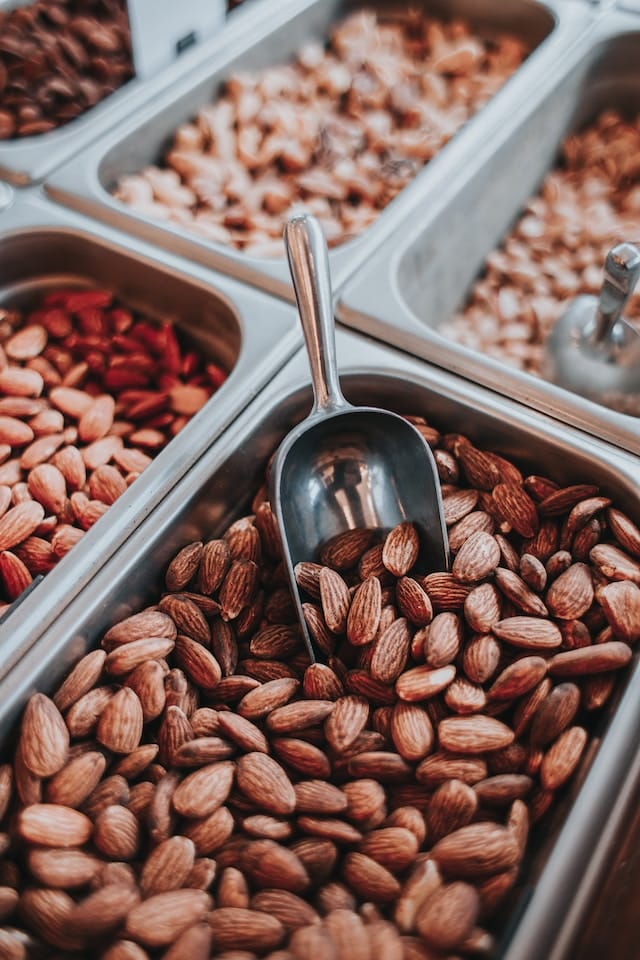
They require minimal preparation, making them easy to incorporate into daily routines, and can enhance the texture of salads and various dishes. However, individuals with nut allergies should avoid them.
Almonds, a popular nut, are rich in vitamin E, antioxidants, magnesium, and fiber. A 2021 review highlighted their potential contributions to weight loss, gut microbiota support, cognitive improvement, stress-related heart rate management, and skin aging prevention.
Chia Seeds Nutrient-dense chia seeds offer a notable 11 grams of fiber per ounce (28 grams), along with substantial amounts of magnesium, manganese, calcium, and various other essential nutrients.
Coconuts provide fiber and medium-chain triglycerides (MCTs), a type of fatty acid.
Macadamia Nuts Delicious macadamias are higher in monounsaturated fats and lower in omega-6 fatty acids than most other nuts.
Walnuts Highly nutritious walnuts are packed with fiber, vitamins, and minerals. Pairing them with feta cheese makes for an excellent salad dressing.
Brazil Nuts Nutrient-rich with a creamy texture, they contain selenium, a mineral that supports thyroid function.
Vegetables, in terms of nutrients per calorie, stand among the most concentrated sources of nutritious healthy foods.
Incorporating a variety of vegetables into your diet ensures a broad spectrum of nutrients.
Asparagus Low in both carbohydrates and calories, asparagus is a popular vegetable rich in vitamin K.
Bell Peppers Available in various colors, bell peppers are crunchy, sweet, and rich in antioxidants and vitamin C.
Broccoli A versatile cruciferous vegetable, broccoli is rich in fiber, vitamins C and K, and contains a considerable amount of protein compared to other vegetables. It’s delicious, both raw and cooked.
Carrots Sweet and crunchy, carrots are a popular root vegetable packed with nutrients like vitamin K and carotene antioxidants. Ideal for snacking or paired with guacamole and other dips.
Cauliflower Highly versatile, cauliflower, a cruciferous vegetable, can be added to various dishes, whether curries, roasted with olive oil, or used raw in salads or for dipping.
Cucumber Refreshing and low in both carbs and calories, cucumbers mainly consist of water, offering small amounts of vitamin K and other nutrients.
Garlic A healthy and flavorful addition to salads and savory dishes, garlic contains allicin, recognized for its antioxidant and antimicrobial effects, potentially reducing the risk of cancer and cardiovascular disease.
Kale Rich in fiber, vitamins C and K, and other nutrients, kale adds a satisfying crunch to salads and various dishes. It can also be included in stir-fries or baked to create crunchy kale chips.
Onions With a robust flavor featured in many recipes, onions contain several bioactive compounds believed to offer health benefits.
Tomatoes While technically a fruit, tomatoes offer tastiness along with nutrients like potassium and vitamin C. Try growing them on your windowsill for added flavor.
Here’s a summary for building a healthy and balanced diet based on the guidelines:
Prioritize Vegetables and Fruits:
Make half of your meal consist of a variety of vegetables and fruits. Aim for different colors and types. Note that potatoes don’t count as vegetables due to their impact on blood sugar.
Choose Good CarbohydratesGrains:
Fill about a quarter of your plate with good carbs that support steady energy and blood sugar levels. This includes foods like sweet potatoes, carrots, parsnips and quinoa.
Focus on Protein Sources:
Reserve another quarter of your plate for protein sources like fish, poultry, beans, and nuts. Limit red meat and avoid processed meats such as bacon and sausage.
Moderate Healthy Plant Oils:
Use healthy vegetable oils like olive, canola, soy, etc., and avoid partially hydrogenated oils that contain unhealthy trans fats. Remember that “low-fat” doesn’t necessarily mean “healthy.”
Hydration Choices:
Opt for water, coffee, or tea. Avoid sugary drinks and limit juice intake to a small glass a day.
Stay Active:
Regular physical activity is crucial for weight control and overall health. Incorporate exercise and movement into your daily routine to complement a balanced diet.
The overall focus is on a varied and colorful diet rich in vegetables and fruits, with balanced portions of whole grains and quality protein sources. Complementing this with healthy oils and appropriate hydration choices while staying physically active will contribute to a well-rounded, healthy lifestyle.
If you require any assistance or advice, please reach out to Eat Burn Sleep; we’d be delighted to support you and provide additional recipes.
Eating a balanced and healthy diet composed of nutritious healthy food, including plenty of fruits and vegetables, can significantly help in maintaining overall health. Opting for lower-fat options, reducing your intake of added sugars and salt, and learning about dietary choices are crucial for a good nutritional balance. Choosing healthier fats over saturated fats, moderating sodium intake, and understanding these dietary elements can provide energy and support well-being, which is especially important for women’s health. Selecting lower-fat or non-dairy sources of calcium can further contribute to a well-rounded, healthy diet.
I’m thrilled to share my latest reflections on beauty, wellness, and the evolving luxury landscape. In my recent interview with Beyond Luxury Group, I explore the complexities of modern beauty standards, emphasizing that true beauty transcends external appearances and is deeply rooted in health and authenticity. I discuss the increasing reliance on quick fixes, such as weight-loss medications, and highlight the importance of addressing underlying health issues rather than simply masking symptoms. This conversation builds upon my podcast episode with my dear friend and industry thought leader, Carlota Rodben, founder of the Beyond Luxury Group and author of Beauty as It Is, where we also touched on the need for beauty brands to embrace a more holistic approach, weaving well-being and health into their narratives and offerings.
In this piece, I reflect on where the beauty industry is headed and imagine a future where wellness retreats are more inclusive, welcoming families, and encouraging social connection alongside personal renewal. This outlook aligns with my belief that true beauty radiates from inner health and balance. I invite you to join me in reshaping beauty standards to prioritize authenticity, well-being, and a deeper, more meaningful connection to ourselves and one another.
You can read my interview with Beyond Luxury Group on their Substack page here.
The holiday season is a time to gather, celebrate, and indulge in delicious meals. However, traditional festive foods can sometimes leave us feeling heavy or inflamed due to excess sugar, refined carbs, and saturated fats. This can affect not just our overall wellness but also our gut health.
A happy gut is key to reducing inflammation, improving digestion, and boosting energy—so why not make it a focus this festive season?
Not only are these dishes nourishing, but they’re also bursting with festive flavors to keep everyone at your table satisfied and glowing from the inside out.
Additionally, incorporating gut-friendly ingredients—such as low-sugar, grain-free, and dairy-free options—can make holiday recipes more inclusive for those with specific dietary needs. By prioritizing gut health during the festive season, these recipes not only accommodate various preferences but also promote overall well-being, ensuring that holiday meals are both enjoyable and nourishing.
Festive Gut Friendly Recipes- Nourish, Celebrate, Thrive!
In this article, I will share some delicious and nutritious recipes that will satisfy your taste buds and support a healthy gut.
During the holiday season, our digestive system often faces challenges due to the consumption of alcohol and rich foods, leading to frequent indigestion. This year, consider incorporating gut-friendly ingredients such as miso, sauerkraut, and coconut yogurt into your diet. These foods are rich in beneficial bacteria and probiotics, supporting the optimal functioning of your gut and digestive system.
Adding these recipes to your festive menu will not only delight your guests but also support your overall well-being.
So, go ahead and try them out! Enjoy the festive season with a happy and healthy gut.
This simple and easy-to-make hot chocolate is a perfect alternative to shop-bought ones and is not only comforting and nourishing but anti-inflammatory, too. Indulge in the rich and creamy goodness of this delightful treat.
My Moroccan spiced coffee is fantastic as it contains cinnamon, nutmeg, ginger, and clove. These warming spices have incredible anti-inflammatory properties that help stabilize your blood sugar levels and offset some of the adverse effects of caffeine. See how easy it is and perfect for the season. I cannot wait for you to try it.
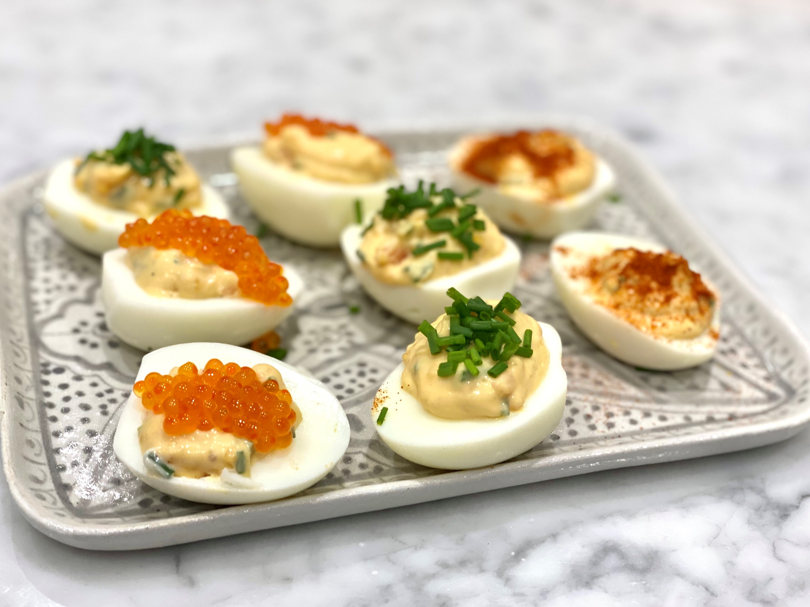
Devilled eggs are a classic festive dish that never fails to impress. With their creamy, tangy filling and beautiful presentation, they are sure to be a hit at any festive gathering.
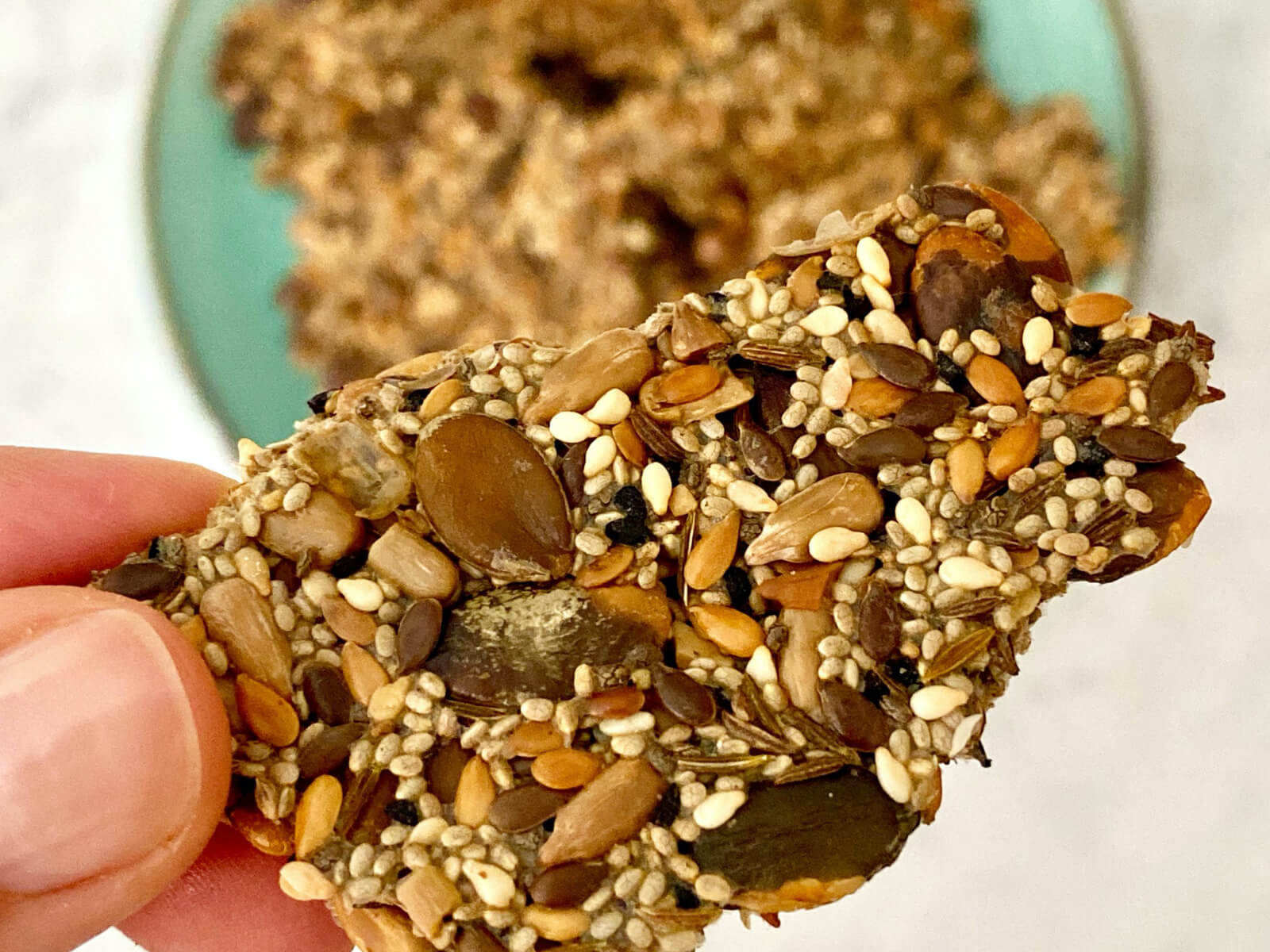
These little bites of goodness are a crowd-pleaser and a great way to kick off any meal or gathering. These crackers are perfectly gut-friendly healthy snacks with a wonderfully satisfying crunch.
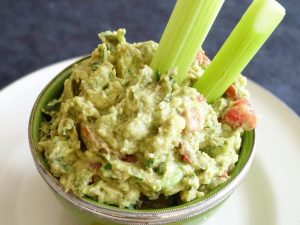
This would work perfectly with the salmon spread for festive, gut-friendly nibbles. You can also serve it on its own with crudites. This guacamole contains no raw onions, which can be hard to digest sometimes, so I hope you all enjoy it!
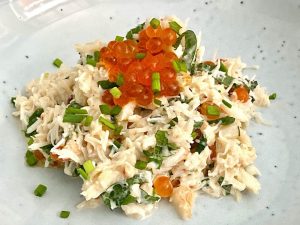
This salad would work great as a starter or served with crackers. Packed with omega-3 rich salmon and crab, this vibrant salad supports digestive health while offering a burst of flavor and color to impress your guests.
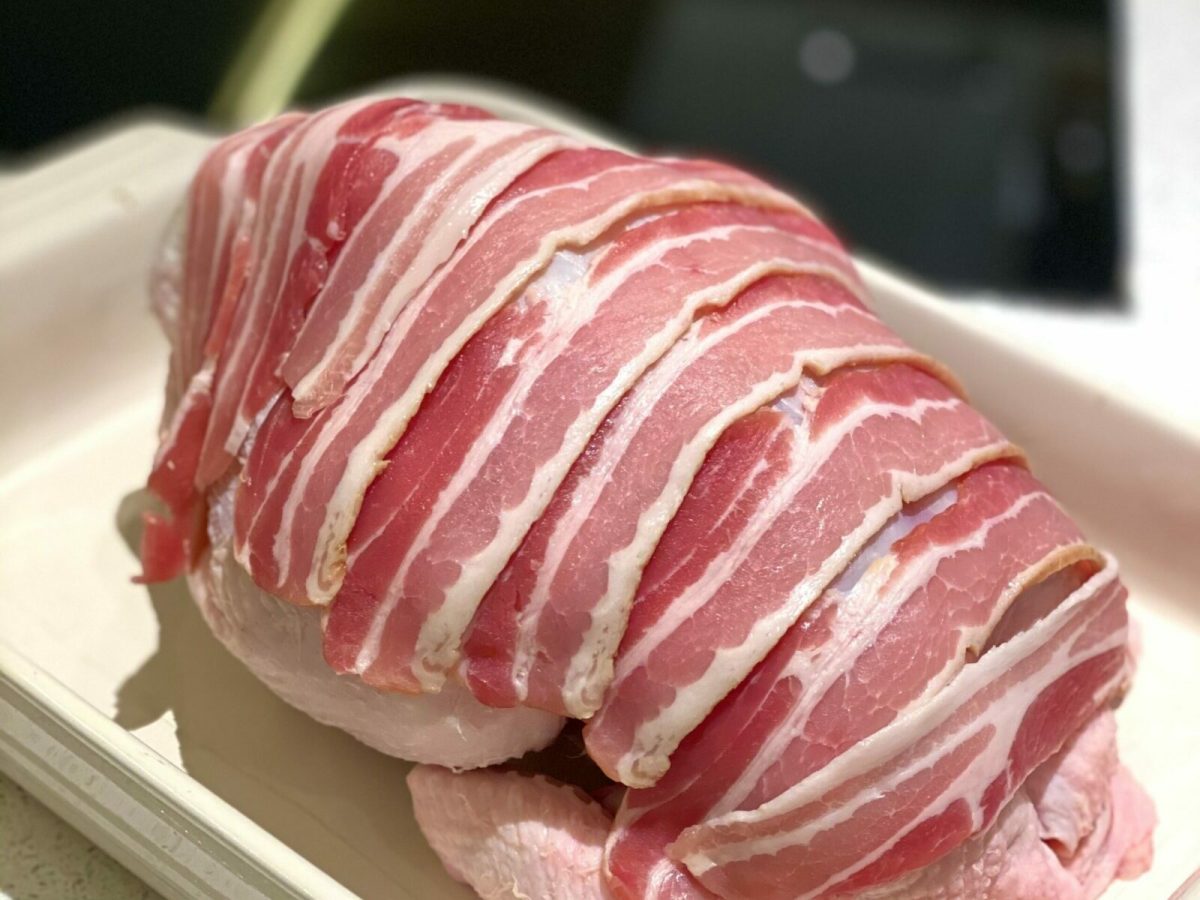
Christmas Chicken with bacon, a delectable twist on the traditional turkey! This mouthwatering dish will inspire you to create a memorable holiday feast. Succulent chicken, perfectly seasoned and roasted to perfection, wrapped in crispy, smoky bacon. The combination of flavors is simply irresistible.
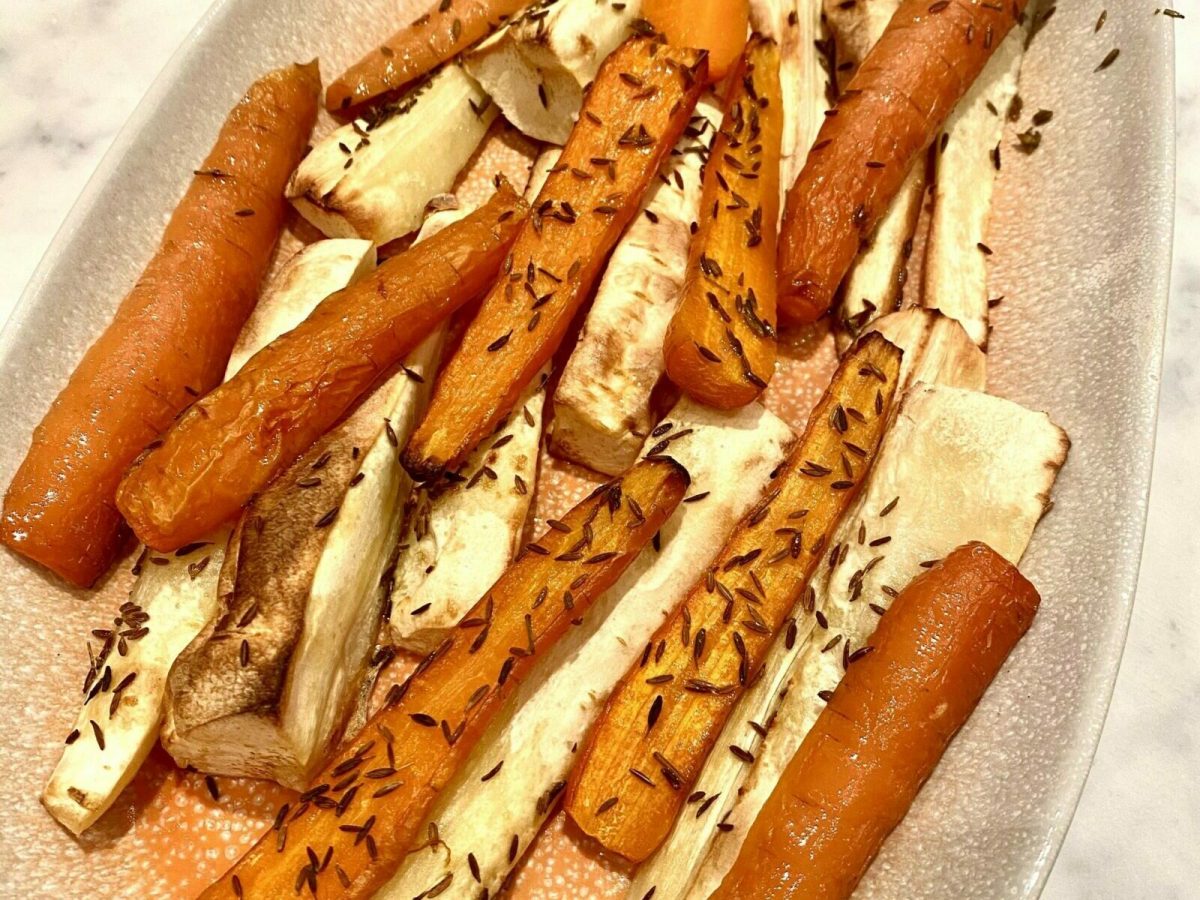
Carrots are incredibly nutritious and are a fantastic prebiotic for your microbiota, reducing inflammation and taking care of your immune system. They are excellent for skin, hair, nails, and eyes and are anti-cancer, anti-inflammatory, and antioxidant. Paired with parsnips, this dish makes a warming side dish to your traditional roast dinner. Especially with the fantastic rich, earthy, warm, and citrus of cumin, the anti-inflammatory spice!
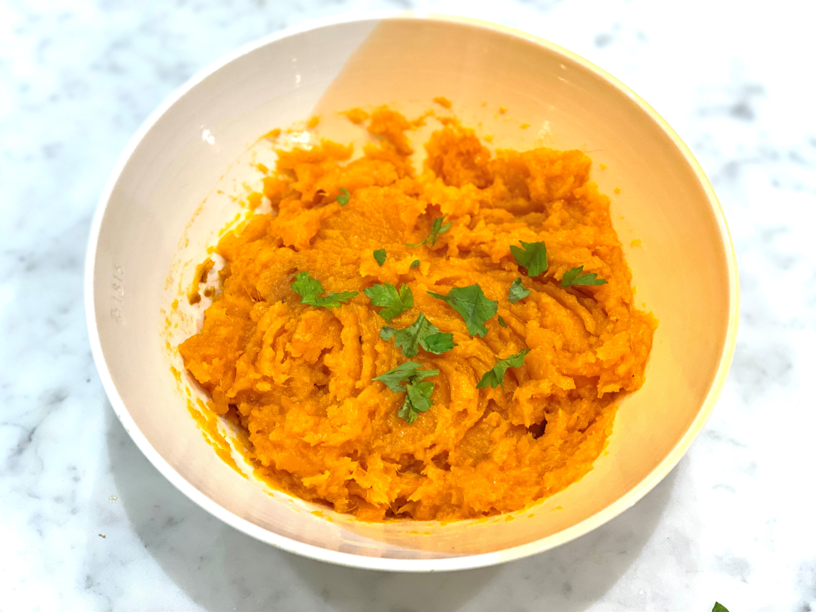
This is a wonderful way of preparing this superfood – that will support and protect your gut. This is all you need to do to enjoy sweet potato’s nutrition and taste. Make it in advance and reheat it on the day of serving.
Packed with fiber, vitamins, and minerals, this dish gentle on the digestive system and helps support a healthy gut microbiome. Make it in advance and reheat it on the day of serving.
You have to try this cranberry sauce recipe! It’s caramelized, tangy, woody, and slightly tart, with a deep berry flavor and a slight spice of heady cinnamon.
If you are looking for a cookie recipe to make during the Christmas holidays and enjoy with the kids, this is for you! They are grain-free, dairy-free & gluten-free, and they taste delicious! They are perfectly seasoned with a combination of spices. All spices used possess anti-inflammatory properties and offer excellent nutritional benefits!
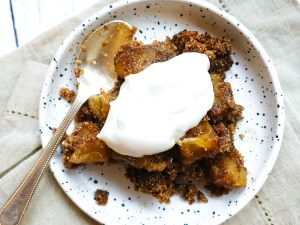
This anti-inflammatory pie tastes like a delicious traditional dessert, but it is refined sugar-free, gluten-free, dairy-free, grain-free, and GUILT-free! It will leave you feeling satisfied without the symptoms of bloating or overindulgence.
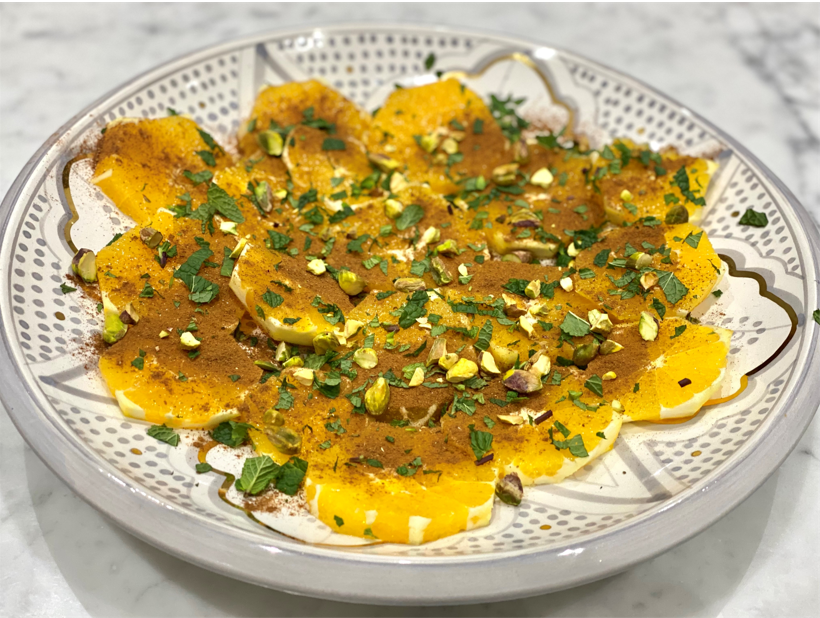
What better way to celebrate the season than with the delightful aroma of cinnamon oranges filling the air? Cinnamon oranges are a classic holiday treat that brings a touch of magic to any gathering. The sweet citrus scent combined with the comforting spice of cinnamon creates a symphony of flavors that instantly transports us to a place of happiness and nostalgia.
A spectacular speculoos biscuit recipe: the healthy version of the traditional recipe, which means that your gut microbiota will love them, too! The warming, sweet, aromatic, creamy, citrus, peppery, and spicy flavors make these biscuits incredible.
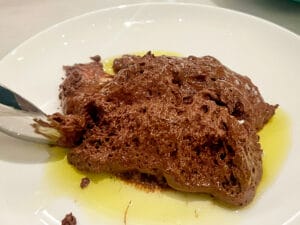
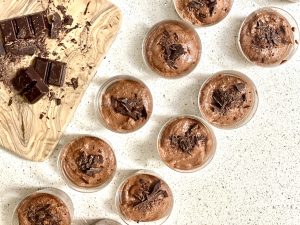
This chocolate mousse is easy to make, delicious, and simple. You can use nice glasses for individual portions and garnish them with nuts, berries, or cacao nibs.
Christmas is a time of celebration and indulgence, but that doesn’t mean we have to compromise our health. All recipes on the Eat Burn Sleep platform are designed to satisfy your taste buds while keeping your gut happy.
Delight your friends, family, and loved ones with flavorful recipes that are easy on your digestive system so you can enjoy your holiday feast comfortably and confidently.
Gut-friendly recipes play a crucial role in promoting overall health, especially during the holidays when indulgent food is abundant. These recipes focus on incorporating ingredients that support gut health, such as fiber-rich vegetables and low-sugar options. For a delicious and healthy Christmas salad, one can mix fresh ingredients like pumpkin and coconut yogurt, creating a gut-friendly dish that is both tasty and nourishing. Additionally, incorporating gut-friendly ingredients, like low-sugar, grain-free and dairy-free options, can make holiday recipes more suitable for those with specific dietary needs. By being mindful of gut health during the holiday season, these recipes ensure that festive meals contribute positively to overall well-being.
Festive Gut Friendly Recipes- Nourish, Celebrate, Thrive!
In this article, I will share some delicious and nutritious recipes that will satisfy your taste buds and support a healthy gut.
During the holiday season, our digestive system often faces challenges due to the consumption of alcohol and rich foods, leading to frequent indigestion. This year, consider incorporating gut-friendly ingredients such as miso, sauerkraut, and coconut yogurt into your diet. These foods are rich in beneficial bacteria and probiotics, supporting the optimal functioning of your gut and digestive system.
Incorporating these recipes into your festive season menu will impress your guests and support your overall well-being.
So, go ahead and try them out! Enjoy the festive season with a happy and healthy gut.
This simple and easy-to-make hot chocolate is a perfect alternative to shop-bought ones and is not only comforting and nourishing but anti-inflammatory, too. Indulge in the rich and creamy goodness of this delightful treat.
My Moroccan spiced coffee is fantastic as it contains cinnamon, nutmeg, ginger, and clove. These warming spices have incredible anti-inflammatory properties that help stabilize your blood sugar levels and offset some of the adverse effects of caffeine. See how easy it is and perfect for the season. I cannot wait for you to try it.
Devilled eggs are a classic festive dish that never fails to impress. With their creamy, tangy filling and beautiful presentation, they are sure to be a hit at any festive gathering.
These little bites of goodness are a crowd-pleaser and a great way to kick off any meal or gathering. These crackers are perfectly gut-friendly healthy snacks with a wonderfully satisfying crunch.
This would work perfectly with the salmon spread for festive, gut-friendly nibbles. You can also serve it on its own with crudites. This guacamole contains no raw onions, which can be hard to digest sometimes, so I hope you all enjoy it!
Christmas Chicken with bacon, a delectable twist on the traditional turkey! This mouthwatering dish will inspire you to create a memorable holiday feast. Succulent chicken, perfectly seasoned and roasted to perfection, wrapped in crispy, smoky bacon. The combination of flavors is simply irresistible.
Carrots are incredibly nutritious and are a fantastic prebiotic for your microbiota, reducing inflammation and taking care of your immune system. They are excellent for skin, hair, nails, and eyes and are anti-cancer, anti-inflammatory, and antioxidant. Paired with parsnips, this dish makes a warming side dish to your traditional roast dinner. Especially with the fantastic rich, earthy, warm, and citrus of cumin, the anti-inflammatory spice!
This is a wonderful way of preparing this superfood – that will support and protect your gut. This is all you need to do to enjoy sweet potato’s nutrition and taste. Make it in advance and reheat it on the day of serving.
You have to try this cranberry sauce recipe! It’s caramelized, tangy, woody, and slightly tart, with a deep berry flavor and a slight spice of heady cinnamon.
If you are looking for a cookie recipe to make during the Christmas holidays and enjoy with the kids, this is for you! They are grain-free, dairy-free & gluten-free, and they taste delicious! They are perfectly seasoned with a combination of spices. All spices used possess anti-inflammatory properties and offer excellent nutritional benefits!
This anti-inflammatory pie tastes like a delicious traditional dessert, but it is refined sugar-free, gluten-free, dairy-free, grain-free, and GUILT-free! It will leave you feeling satisfied without the symptoms of bloating or overindulgence.
What better way to celebrate the season than with the delightful aroma of cinnamon oranges filling the air? Cinnamon oranges are a classic holiday treat that brings a touch of magic to any gathering. The sweet citrus scent combined with the comforting spice of cinnamon creates a symphony of flavors that instantly transports us to a place of happiness and nostalgia.
A spectacular speculoos biscuit recipe: the healthy version of the traditional recipe, which means that your gut microbiota will love them, too! The warming, sweet, aromatic, creamy, citrus, peppery, and spicy flavors make these biscuits incredible.
These little chocolate bombs are easy to make, delicious, and simple. You can use nice glasses for individual portions and garnish them with nuts, berries, or cacao nibs.
Christmas is a time of celebration and indulgence, but that doesn’t mean we have to compromise our health. All recipes on the Eat Burn Sleep platform are designed to satisfy your taste buds while keeping your gut happy.
Indulge in mouthwatering dishes that are not only festive but also beneficial for your gut health and overall wellness. Impress your friends, family, and loved ones while being gentle on your digestive system, ensuring you can enjoy your holiday feast without any discomfort.
The importance of regular physical activity 3-5 times a week.
Sculpt and Tone: Achieve a Comprehensive Cardio Workout in Minutes (and Improve Your Overall Health)
Regular physical activity is crucial for overall health and well-being. Aiming for at least 20 minutes of moderate-intensity exercise 3-5 times a week can bring a multitude of benefits, from boosting your mood and energy levels to improving your heart health, sleep, and even cognitive function.
This full-body cardio workout offers a quick and effective way to get your heart rate up, engage multiple muscle groups, and achieve a firmer, more toned physique – all within a matter of minutes. It’s perfect for those with busy schedules who want to make the most of their limited time.
The Workout:
The workout incorporates a variety of exercises. Each exercise targets different muscle groups, ensuring a well-rounded fitness experience.
Here are some examples of the exercises included in the workout:
Front Raise With Cross: Raising dumbbells while crossing your arms, targeting your shoulders and abs.
Boomerangs: Squatting while twisting and raising dumbbells, engaging your heart, legs, and arms.
Cheerleading Ts and Ys: Raising dumbbells in different shapes to work your core, shoulders, back, and arms.
Chest Flies: Opening and closing your arms with dumbbells to target your chest, back, and shoulders.
Plank With Leg Lifts: A challenging exercise that works your core, legs, and arms.
Plank With Triceps Kickback and Lat Pull-Down: Combining plank variations with arm exercises to strengthen your core, back, and shoulders.
Squat With Dumbbell Curl and Knee Raise: Squatting while curling dumbbells and raising your knee, targeting your biceps, core, and legs.
Planks with Shoulder Taps: Adding shoulder taps to your plank to engage your core, arms, and chest.
Punches: Simple punches to get your heart rate up and work your core and arms.
Remember:
Aim for good form and controlled movements throughout each exercise.
Adjust the intensity and duration of the workout based on your fitness level.
Listen to your body and take rest breaks when needed.
Most importantly, have fun and enjoy the challenge!
By incorporating this full-body cardio workout, along with others from the platform, into your routine at least a few times a week, you can reap the numerous benefits of regular physical activity and take a step towards a healthier, happier you.
All the movement videos on the Eat Burn Sleep platform are low-intensity and low-impact. They are safe to perform on a low inflammation lifestyle. They will benefit core strength, gut motility, lymphatic drainage, positive mood, bone and muscle mass preservation, and liver detoxification. The more you practice the Eat Burn Sleep movement routines, the more you tune into your body, and the more you will be able to identify your needs. Including the right kind of movement in your lifestyle might not seem significant, but it has magical effects. Put the time in; it is worth it!
Walking: Don’t forget to get your steps in daily! Walking should definitely be part of your lifestyle if you’re looking to decrease inflammation. Doing it in nature is even healthier as you do earthing simultaneously. Air quality in parks, forests, and nature is much better than in a gym… so if you have the opportunity to walk in nature, do it! Walking is very much at the core of the Eat Burn Sleep lifestyle, coupled with the anti-inflammatory movement routines.
Bonus tip: If you’re looking for additional ways to get your 30 minutes of moderate-intensity exercise, consider activities like brisk walking, swimming, biking, or dancing. Every bit of movement counts!
So many people regularly ask me if intermittent fasting is good or bad for you.
In the 7-day plan, I originally included it in order to reduce one’s appetite over a short period and give the digestive system a break for a week.
Some people had fantastic results with it over six months or so (generally, from my observation, the positive effects do not seem to last longer, but again, I could be mistaken).
Some people feel TERRIBLE on it and GAIN WEIGHT. I have a friend who gained 4 kilos (about 8 pounds) doing it!
These conflicting resultsgot me to research it extensively.
I haven’t found anybody online or offline (I asked many experienced doctors and other nutritionists) who could explain this.
As you might have noticed by now, I am a problem fixer, and I decided to get to the bottom of this phenomenon.
So, here is it for you, my dot-connecting analysis on the effects of intermittent fasting!
What Happens When We Fast?
We produce Human Growth Hormone which has many benefits. HGH helps build and repair muscle, boost metabolism, repair skin, slow down aging, and burn fat.
We also produce cortisol which has harmful effects on the body and mind. Cortisol is the stress hormone (the one released in a flight or fight situation). Elevated cortisol levels lead to weight gain(mainly in the face and abdomen) and anxiety; it can lower our metabolism and immune system, increase inflammation, increase blood pressure, etc.
Two things happen simultaneously, one positive and one negative, regarding weight loss. In some people, the weight-loss element (HGH) is probably more pronounced, while the weight-gain element (cortisol) is more accentuated in others. This is the reason why results differ depending on the individual!
However, I have noticed that intermittent fasting is generally more beneficial for men than women.
My take on it is that ancestrally, men would go hunting and would be exposed to a longer fasting period than women who would look after children and probably have some food to eat.
Also, women have much more going on hormonally than men, and playing with our hormones, like intermittent fasting, can be more disruptive to us!
Indeed, fasting can greatly affect hormones, especially for people with PCOS, thyroid issues, endometriosis, and diabetes.
As a result, I have not included intermittent fasting in the Eat Burn Sleep lifestyle, and I cover all you need to know about what you need to eat and at what time of the day in order to maximize weight loss, gut health, and hormonal health!
Hello everyone!
Many of you are based outside London and often ask me what to do when visiting this beautiful City with your children.
At the time of writing, the Christmas holidays are approaching, so I have put together a list of fun things to do in London around the festivities, with or without kids!
This could be useful to you whether you live in London or not!
– West End Musicals. The best for kids I feel, is Mathilda, not to be missed if you have not been. Gangsta Granny is great too. I took my boys and they loved it. We went to see Hamilton – my 10-year-old loved it, but my 8-year-old was a little young for it.
– Visit the Natural History Museum, followed by a pizza in the museum restaurant and/or a crepe at The Kensington Crêperie across the road
– London zoo! I am not a fan of zoos, but this one supports conservation in Africa, and the animals there would not survive in the wild, given their past. So go there guilt-free and enjoy it! It is set in Regent’s park, one of London’s beautiful parks.
– The Science Museum is really fun and children can learn a lot about cars, planes, astronauts, etc. It is around the corner from the Natural History Museum (and again, I would suggest going for a nice crepe at the Kensington crêperie afterward). I like to always give a nice treat to my kids after going to a museum so they associate the experience with positive memories!
– I take my children for a pizza at Harrods on the second floor, followed by ice cream at the ice cream parlor next to it when they achieve something great at school. It is a real treat.
– When there is a good show at the Royal Academy, I take my boys, get them the audio guides, and when they have had enough, I take them for a hot chocolate and a macaroon at Ladurée in Burlington Arcade next to it. Again, a treat post-museum!
– Wander around China Town (my kids love it!) and then go to Leicester square to the movies (and maybe drop in at the M&Ms shop for a treat!)
– Not to be missed, Kidzania in Westfield Shopping Centre. It’s a world for kids where they can get jobs, be paid, and buy things. My kids are crazy about it. There is a Five Guys burger place in that shopping mall, which your little ones might enjoy too.
– Go Ape in Battersea Park is amazing for a fun outdoor activity. The park is gorgeous and worth seeing, in any case.
– Pedalo on the serpentine and tea or hot chocolate at the restaurant on the serpentine in Hyde Park.
– Afternoon tea at the Dorchester / Claridges / Lanesborough / Brown’s hotel / Mandarin oriental hotel or Berkeley Hotel for a full English tea and scones experience. It needs to be booked well in advance. It is a full meal FYI! You get served finger sandwiches, scones, and beautiful cakes and pastries. It’s like a never-ending merry go around of deliciousness.
– A cupcake at the Hummingbird bakery on Portobello Road and wandering around Notting Hill.
– The adventure playground in Holland Park is great for kids aged 4 and above.
– The Diana Memorial Playground in Hyde Park is also fantastic. There’s a huge pirate ship; my kids have played there for hours.
– If you are in London in December, Winter Wonderland in Hyde Park is a real fun and joyful experience (with or without kids). My kids never tire of the rides and toffee apples.
– The London Eye, which all kids love, and The Shard are an amazing way to have a beautiful view of the City from above. It’s a little touristy, yet my kids still love going!
I hope you visit and have an amazing time in London. It is my favorite City in the world (a completely unbiased statement), full of understated beauty and marvels.
Enjoy!
Cold sores and mouth ulcers are a real pain… They always happen at the most inappropriate time and it feels so unfair that some people just never get them!
They are caused by the HSV-1 ( type 1 herpes virus), which the majority of people carry.
You can get over the counter medicine which I do not find effective, prescription medicine (more effective) and I thought I would share a few tips to minimize their recurrence.
1- SLEEP. Just make sure to get those 8 hours. 7 hours has been proven scientifically to not be enough for brain function, cell regeneration, mood, nervous function, etc. If you sleep enough, not only you will be physiological more performant but you will be able to deal with the next point better, namely, stress.
2- STRESS. It’s easy to say that we should stress less but it’s not as easy to put it in practice. I try to have more positive thoughts than negative thoughts daily. It is a simple trick that has been shown to make people happy (who needs a pay rise?!). I will do a full post on this but sticking to a maximum of 2 cups of coffee a day helps to not kick in anxiety, and breathing deeply is crucial for lower cortisol levels. When you feel you are doing shallow breathing, make a conscious effort to breathe normally again, maybe by taking a couple of deep breaths.
3- REDUCE ARGININE rich foods and supplements. L-Arginine is an amino acid that has been shown to activate HSV-1. Sadly, some healthy foods like spinach, nuts, pumpkin seeds contain L-Arginine. Cola, beer, chocolate, and gelatin (candy) contain it too.
4- EAT HEALTHY to support your immune system. You need a variety of nutrients for your body and immune system to function well. Following a low inflammation and healthy diet supports that.
5- SUPPLEMENTS. Vitamin C, zinc, and L-Lysine (an amino acid) can help reduce the recurrence of cold sores. Liposomal vitamin C is easier absorbed too. If you take zinc, I would recommend zinc picolinate as it is better absorbed. And as with everything I recommend, please make sure to check with your doctor before taking it 🙂
Hello Everyone! In this post, I am sharing my skincare routine from when I am on holiday in the sun. I am a big skincare and beauty products fan, as you know – although the first time I did a full face of makeup, I was 28 years old! But that is a story for another day…
I have always invested in products for my face, and I continue to do so. As a student, I spent less on alcohol and saved to buy my favorite moisturizer from Lancôme. Interestingly, the most expensive ones are not always the best, but more on this topic soon!
When I am in the sun, I always protect my skin. First, I wear SPF, and second, I always wear a hat.
As we all know, the sun damages the skin and gives you wrinkles and pigmentation. My skin is on the dry side, and I am genetically prone to pigmentation, so I always try and test products.
Here are my tips for ultimate protection from the sun:
A week before going in the sun, I give my skin a good exfoliation and a hydrating or brightening mask [ you can check out my video where I show you my favorite face masks on YouTube]. Like L’Oreal face mist as I know I will be putting my body in the sun but not my face.
Do not scrub your face a few days before going away and during your stay. Indeed, scrubbing the face makes the top layer of your skin thinner, hence more prone to sun damage.
In the morning, apply a moisturizer with SPF in it. I like using Zelens daily defense cream, which has an SPF 30.
Let the moisturizer sink in for a couple of minutes (or more), and then apply a generous layer of mineral sunscreen. Mineral sunscreens are a total barrier against the sun. The ones which aren’t mineral are activated when the sun hits your face and are chemical-based. I find them less effective. Mineral sunscreens protect you better, I find. At the moment, I am using Coola’s mineral face SPF.
I like applying a tinted moisturizer on top, which has SPF, too (one can never overdo the sun protection!) so I don’t look “white.” It gives you a nice glow, as mineral SPFs tend to make you look a little whitish. Currently, I like using La Mer because it has reparative properties.
Finally, when I return from holidays, I make sure to do a nice facial at home or a salon, as sunscreen tends to clog up the pores. It is important to exfoliate to remove all excess product from your pores and get your skin bright and glowing!
I sometimes curse being born a woman. No two days of the month are the same for us! We have ups, we have downs, we have days where we could conquer the world and we have the dreaded premenstrual syndrome or PMS.
It is, of course, all worth it as we have been blessed with the ultimate creating ability, which is to carry babies.
So how can you reduce your PMS symptoms and stop writing off 4 to 5 days a month?
SLEEP. I can never say it enough, but sleep is the biggest healer. Sleep regulates hormones, mood and lack of sleep will always worsen health struggles. I regularly take an essential amino-acid called L-Tryptophan which helps with sleep function, mood, immune system, circulation, nervous system, and digestion.
Magnesium citrate or glycinate. A deficiency in magnesium has been shown to increase PMS symptoms. Around that time of the month, many women suffer from constipation due to the rise in estrogen. Magnesium citrate powder has a mild laxative effect, so this side effect can be beneficial too.
Evening Primrose Oil has been shown to help balance our hormones. Taking it regularly can help PMS.
Fish oils, DHA in particular. Omega 3s decrease inflammation in the body and DHA is beneficial for hormones. A study has shown that women in Japan tend to store less fat thanks to the higher levels of DHA in their bodies due to their high fish consumption. If you are looking to try for babies, DHA helps with the development of the brain and eyes in fetuses.
Decrease your consumption of sugar, caffeine, alcohol, and increase your intake of water to fight off water retention. Increase your intake of green leafy vegetables such as spinach and swiss chard. They are loaded with magnesium. The fiber in these vegetables also helps move excess estrogen through the intestinal tract. Estrogen dominance during the luteal phase is often a cause of PMS symptoms
Increase your consumption of good carbs. The reason why you crave sugary foods is that they raise your insulin levels which in turn raise serotonin levels and lift the mood. Have some good carbs like ripe bananas, sweet potatoes, and butternut squash. Check out my basic good carbs soup recipe in the eat section.
Exercise. Take it easy on your body and do walks, gentle sessions of stretching/yoga/pilates exercises at home rather than strenuous classes.
If despite all the above your PMS symptoms continue, acupuncture can be very helpful.
Be kind to yourself. I find that I tend to be hard on myself, like many of my girlfriends. We want to be amazing at all times, be the best mothers, friends, look good, be in a good mood, exercise regularly, etc. But that isn’t realistic and it is important to treat ourselves like we would treat a friend. With kindness, support, and understanding.
I hope you found this helpful. Do not hesitate to drop me a note if you have any questions!
We hear a lot of conflicting information about nutrition. Some people are advocates of vegan diets, others of low carbs diet, paleo diet, ketogenic diet etc. It can be overwhelming and when we read about it, we can find so many different theories which all make perfect sense on paper.
So… I thought I would share my experience of a low carbohydrates diet with you, which I have followed for about two years. Why did I do it? What were the short-term effects? What were the long-term effects? What does research show? And my advice on how much carbs to eat, which carbs to eat and at what time of the day.
My experience- Why did I go on a low carbohydrates diet?
My experience with a low carb diet has been very interesting. I suffer from autoimmune issues, which main cause is inflammation in the body. If you look up at what creates inflammation, what will come up is sugar, all grains (wheat, rice, oats, buckwheat etc), corn, pulses, and legumes. Indeed, a diet high in grains raises Omega 6 levels in the body when what you want is more Omega 3, as Omega 6 are inflammatory and Omega 3 anti-inflammatory.
As a result, in 2011, I adopted a paleo diet. The Paleo diet is based on all meat and fish, eggs, vegetables (excluding the ones above), fruit, nuts and unrefined sugars like honey, dates or maple syrup. It worked really well for me and my inflammation markers went down.
However, when my digestion plays up and I get bloating and IBS or IBD symptoms, I follow a candida diet/very low carbs for a few weeks and it settles things. It also really helps to shed some body fat and get leaner. For me, this miracle diet consists of meat, fish, chicken, eggs, non-starchy vegetables, nuts, and good oils.
The short-term effects – amazing!
This diet worked wonders for me in the short term. My stomach issues settled, I had absolutely no bloating or IBD symptoms, I was full of energy, my skin was clear and I became super lean.
As you can imagine, I thought I had found the holy grail and I decided that would be my way of eating going forward. No more bananas, dark chocolate, dates or yummy Paleo cakes for me as they contain sugar from the natural sweeteners I use, like maple syrup, dates or honey. But who cares when you feel so good?!
The long-term effects – not so good…
So medium term, i.e. a couple of months into this way of eating, I noticed my portion size increasing and a sense of never feeling full. I started gaining weight as I was snacking too much -on nuts mainly!- and would not feel satiated. But as this diet worked so well a few months before that I wasn’t ready to question it yet.
I found myself cutting down on fruit massively and basically following a very low-carb on a daily basis. I would have salmon and eggs in the morning. Chicken and salad for lunch and something similar in the evening or fish/meat if I went out. I snacked on nuts. I ate absolutely no sugar, starchy carbs or fruit. I did this for 2 YEARS!
That definitely was a mistake for me as I noticed quite a lot of undesirable side effects. It took me a while to understand where it came from. When something works for us, we find it hard to question it at a later stage. The reality is I had taken it too far.
Side effects of very low carb diets
I am naturally very curious – and nerdy- so I spent hours researching what the physiological effects of a very low carbs diet were. Here is what I found. I definitely experienced these sides effects, unfortunately.
– Not eating carbs is bad for your brain. I started feeling depressed. Indeed, serotonin (the hormone for happiness), is produced in the presence of insulin. Insulin can only be released when we eat carbohydrates. Too much insulin stimulation is dangerous and can lead to diabetes, but not enough leads to low levels of serotonin and a bad mood! I was down and couldn’t work out why. No matter how much exercise I would do -which normally lifts the mood- or nice things I would do in my life, I was in a low mood. It turned out I wasn’t producing enough serotonin, the happy hormone 🙂
– It can also lead to weight gain for a few reasons. The first cause of weight gain is low serotonin levels. Serotonin is not only a feel-good hormone, it also is a natural appetite suppressant. I kept feeling unsatisfied for that very reason and I found myself eating more. The second cause was the impact on my thyroid. Low carb diets can lead to low thyroid levels. If your thyroid levels are low, your body burns less and you gain weight. I got some blood tests done and they showed my thyroid levels were low. After reintroducing bananas, sweet potatoes, butternut squash and the occasional dates/honey sweetened treats, they came back to a normal range.
– Finally, the worst side effect for me was bad sleep. As explained above, low carb diets lead to low serotonin levels. Serotonin reduces cortisol levels (stress/being alert hormone) and allows the production of melatonin (the sleep hormone). Without insulin, we don’t produce enough serotonin or melatonin.
How to play it, based on my experience and research
Here is what I would recommend doing, based on my experience:
Do not cut out all carbs. Have nutritious carbs like sweet potatoes, butternut squash, bananas, dates, quinoa, rye bread etc. Check out my basic good carbs soup recipe.
Have some good complex carbs at night. I am talking about the ones mentioned above. Bananas help you sleep better and carbs in the evening will increase your insulin levels, lower your cortisol levels and make you feel relaxed. So you can have a good night of sleep – which helps with weight loss, see my article on sleep!
Limit high glycemic index food to avoid blood sugar spikes and try to stick to slow release carbs.
The bottom line is: moderation is always a good idea!
We use cookies on our website to give you the most relevant experience by remembering your preferences and repeat visits. By clicking “Accept All”, you consent to the use of ALL the cookies. However, you may visit "Cookie Settings" to provide a controlled consent.
This website uses cookies to improve your experience while you navigate through the website. Out of these, the cookies that are categorized as necessary are stored on your browser as they are essential for the working of basic functionalities of the website. We also use third-party cookies that help us analyze and understand how you use this website. These cookies will be stored in your browser only with your consent. You also have the option to opt-out of these cookies. But opting out of some of these cookies may affect your browsing experience.
Necessary cookies are absolutely essential for the website to function properly. These cookies ensure basic functionalities and security features of the website, anonymously.
Cookie
Duration
Description
cookielawinfo-checkbox-analytics
11 months
This cookie is set by GDPR Cookie Consent plugin. The cookie is used to store the user consent for the cookies in the category "Analytics".
cookielawinfo-checkbox-functional
11 months
The cookie is set by GDPR cookie consent to record the user consent for the cookies in the category "Functional".
cookielawinfo-checkbox-necessary
11 months
This cookie is set by GDPR Cookie Consent plugin. The cookies is used to store the user consent for the cookies in the category "Necessary".
cookielawinfo-checkbox-others
11 months
This cookie is set by GDPR Cookie Consent plugin. The cookie is used to store the user consent for the cookies in the category "Other.
cookielawinfo-checkbox-performance
11 months
This cookie is set by GDPR Cookie Consent plugin. The cookie is used to store the user consent for the cookies in the category "Performance".
viewed_cookie_policy
11 months
The cookie is set by the GDPR Cookie Consent plugin and is used to store whether or not user has consented to the use of cookies. It does not store any personal data.
Functional cookies help to perform certain functionalities like sharing the content of the website on social media platforms, collect feedbacks, and other third-party features.
Performance cookies are used to understand and analyze the key performance indexes of the website which helps in delivering a better user experience for the visitors.
Analytical cookies are used to understand how visitors interact with the website. These cookies help provide information on metrics the number of visitors, bounce rate, traffic source, etc.
Advertisement cookies are used to provide visitors with relevant ads and marketing campaigns. These cookies track visitors across websites and collect information to provide customized ads.