

 Reboot and Revive


What Is Fascia?
What Causes Fascia Pain?
Symptoms of Tight Fascia
Why is Fascia Stretching Important?
What Does Fascia Stretching Do?
How to ‘Feel’ Your Fascia
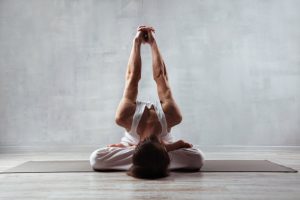
What Is Fascia?
Fascia is this amazingly dense, clear, 3-dimensional structure that wraps around your joints, ligaments, muscles, tendons, and internal organs. It is made of collagen and elastin and carries more nerve endings than any other tissue. Every part of your body has layers of interlacing fascia holding everything in place. It’s like an internal bodysuit holding you together! Without it, you would collapse on the floor. On a basic level, fascia is a support structure allowing easy movement between your body’s muscular, skeletal, and visceral components. It enables proprioception, your body’s sixth sense of action, coordination, and self-movement. On a deeper level, it transmits thoughts and feelings through millions of nerve pathways. Essentially, fascia allows the conduction of consciousness throughout your body. If you think it, you will feel it in your fascia. When your fascia gets tight due to immobility, stress, inflammation, or poor nutrition, it causes pain and tension.
What Causes Fascia Pain?
Fascia pain can be caused by:- Inflammatory conditions
- Inflammatory food
- Poor nutrition
- Digestive problems
- Autoimmune conditions
- High blood sugar levels
- Repetitive movements that strain one part of your body
- The wrong types of exercise
- Surgery
- Injuries and old injuries that haven’t healed correctly
- Working or living in cold environments
- Sedentary lifestyles – fascia requires movement to work efficiently
- Physical, mental, and emotional stress
- Not breathing correctly
- Infections
- Poor posture
- Physical misalignments and imbalances (we often don’t know we have them!)
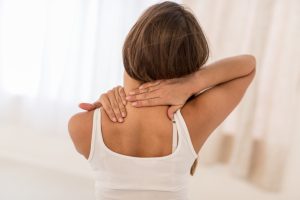
Symptoms of Tight Fascia
Symptoms of tight fascia include:- A tender knot
- A deep, aching pain
- Tender muscles
- Muscle weakness
- Circulatory Issues
- Swelling
- Reduced mobility
- Compression
- Headaches
- Poor sleep quality
- Fatigue
- Depression
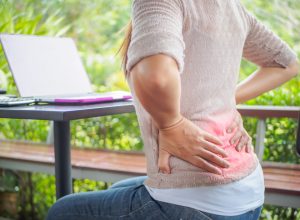
Why is Fascia Stretching Important?
Healthy fascia relies on regular movement, stretching, and good hydration. If you are inactive, don’t stretch enough, or don’t drink enough water, your fascia will become dry, tight, and painful. Any classic stretch can be turned into a fascial stretch, but they are not the same thing. An effective fascia stretch involves the right dynamic movement and the correct breathing. It should feel good, but it shouldn’t be painful. Not too tight, not too loose, and for the right amount of time – but you will feel your point of sensation. There is an art to movement, which I teach on the Eat Burn Sleep platform. Fascia loves multi-directional movement so I have created a whole range of videos to guide you through fascia stretching. Stretching your fascia correctly reduces inflammation, strengthens muscles, and improves body composition. It is good for digestion, the immune system, and mental wellness. These movements will improve your day-to-day activities and help you work, rest, and play in a pain-free way.To ensure that you keep your fascia in good health:
- Live an anti-inflammatory lifestyle. This is what Eat Burn Sleep is all about. We focus on gut health, optimum nutrition, daily movement, and restorative sleep.
- Be active and move regularly. Our bodies need motion to maintain healthy circulation and metabolism. If you have a sedentary job, be aware that it takes less than 60 minutes to cause tight fascia in your hamstrings. You must stretch out and move for at least two minutes every hour. Set an alarm if you need reminding. It’s that important.
- Stretch regularly to reduce the risk of inflammation, circulatory issues, and pain in your joints.
- Adjust your posture. Be mindful of how you are sitting and standing. Slouching or compensating for a sore body part all play havoc with your fascia.

What Does Fascia Stretching Do?
- Reduces inflammation
- Increases mobility
- Releases tension, relaxes and rejuvenates your whole body
- Helps you stay mobile as you age.
- Increases blood and lymph flow
- Supports immune health
- Allows for a better range of flexibility and movement
- Improves body alignment
- Reduces scar tissue
- Reduces your risk of injury when exercising

How to ‘Feel’ Your Fascia
To feel the connectedness of your fascia, try this exercise: Sit on a mat, legs in front of you, and relax with your spine elongated. Make sure that you are warm. Roll your head down slowly, leaning forward, and guide your head to your knees. Can you feel the stretch? Now point and flex the toes. Feel how that stretch changes. Only you will know how that fascia stretch feels because we all are unique, and our connective tissues are personal to us all. You should feel the benefits of the proper movement in your brain, too! It’s incredible. So, now you know the fuss about stretching your fascia.
There are over 170 movement videos on the EBS platform, including 16+ stretching videos. All are excellent for your fascia.
Some of them are accompanied by full-body meditations, which are incredibly nourishing for your mind, body, and soul.
So, now you know the fuss about stretching your fascia.
There are over 170 movement videos on the EBS platform, including 16+ stretching videos. All are excellent for your fascia.
Some of them are accompanied by full-body meditations, which are incredibly nourishing for your mind, body, and soul.
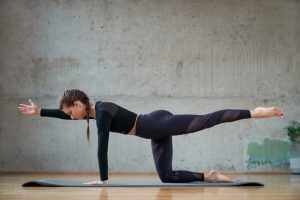 Believe me, you will feel amazing following an anti-inflammatory lifestyle.
But don’t just take it from me. This is what EBS Member Natasa has to say about the program:
“I have lost almost 10kg since starting EBS.
I’ve had knee surgery, and my knee pain has really reduced, and my post-op recovery is going very well. I am not taking anything for pain relief.
Everywhere I go, I just talk about your platform. Thank you so much! I absolutely love this lifestyle.”
And, you can check out hundreds more reviews on our Testimonials page.
Believe me, you will feel amazing following an anti-inflammatory lifestyle.
But don’t just take it from me. This is what EBS Member Natasa has to say about the program:
“I have lost almost 10kg since starting EBS.
I’ve had knee surgery, and my knee pain has really reduced, and my post-op recovery is going very well. I am not taking anything for pain relief.
Everywhere I go, I just talk about your platform. Thank you so much! I absolutely love this lifestyle.”
And, you can check out hundreds more reviews on our Testimonials page.
You might also enjoy:
How Does Sleep Help With Inflammation? Best Exercise to Lose Belly Fat Podcast – Why Women Feel More Pain Ready to stretch your fascia and start living the anti-inflammatory way? Find out more about our membership options now. With love, Yalda x Yalda Alaoui is a qualified Naturopathic Nutritionist (with a foundation in Biomedicine) who studied with the College of Naturopathic Medicine in London. She has spent over a decade performing groundbreaking research in chronic inflammation and gut health.


Get the EBS app


Frequently Asked Questions

Google Chrome translates the text; therefore, you can choose the language of your preference to read the text. The videos will still be available only in English.
Yes. Chronic inflammation can lead to atherosclerosis (hardening of the arteries) and consequently increases the risk of strokes. Following an anti-inflammatory lifestyle can help soften the arteries and support cardiovascular health.
Do I need to cook while on the EBS Lifestyle?
Not necessarily. You can absolutely eat out by following the Eating Out Guide. This Lifestyle isn’t about perfection — it’s about damage limitation. And if you do want to cook at home, the recipes are simple, approachable, and designed for all skill levels.
Can you eat out while following the EBS Lifestyle?
Yes. There is an Eating Out section on the Eat Burn Sleep platform that will help you choose the best cuisines and the healthiest dishes on the menu when you are eating out.
Is the EBS Lifestyle suitable for me whilst pregnant?
Yes. Many women have used this lifestyle for fertility, during pregnancy, and afterward. Following this lifestyle during pregnancy has many benefits, and there is special personalized advice for Pregnancy & Postpartum. Check it with your doctor first, of course. Stick to your doctor’s supplements advice.
