Are you sleeping well? This is a question I ask my executive coaching clients, and the answer is frequently no! Modern life is full of things that disrupt sleep. Eating ultra-processed foods, scrolling social media, late-night Netflix, lack of exercise – it’s little wonder that people are struggling to sleep. And yet sleep is critical to health, especially if you are dealing with an inflammatory condition. So, how does sleep help with inflammation?
Sleep and Inflammation
Your body does a great deal of cellular repair work while you sleep. If you don’t get enough sleep, this healing work is compromised.
There are 4 stages of sleep in each sleep cycle, and we go through several cycles each night.
Stage 1 is the first stage of non-REM (Rapid Eye Movement) sleep. It is a light sleep that lasts a few minutes as the body and brain start to relax and wind down.
Stage 2 is the next phase of non-REM sleep during which our core temperature drops, muscles relax, and heart rate and breathing slow down.
Stage 3 is deep non-REM sleep. This is the deep, restorative sleep that allows the body and mind to heal, repair, restore energy, and consolidate memories. This is the most important stage of sleep for optimum health and managing inflammation.
Stage 4 is REM sleep. Brain activity picks up and we may experience vivid dreams. REM sleep is thought to be essential for healthy brain function and processing information.
Studies show that sleep loss and disrupted sleep lead to raised levels of inflammatory mediators (Dzierzewski et al, 2020) which are linked to the development of chronic conditions and metabolic disorders like Type II diabetes and cardiovascular disease (Mullington et al, 2010).
In turn, the pain and discomfort of chronic inflammatory disorders can interrupt healthy sleep patterns, leading to a negative spiral of poor sleep and further inflammation.
Chronic low-grade inflammation is an underlying factor in so many conditions. From obesity and weight gain to depression, fertility problems, and thyroid issues, tackling inflammation is the secret to optimum health and vitality.
Sleep and Gut Health
At Eat Burn Sleep, we recognise just how vital gut health is for overall health and wellbeing. Your gut microbiome influences almost every aspect of disease and constantly communicates with your brain and immune system.
Messenger molecules produced by gut microbes help to regulate your sleep-wake cycle, the internal 24-hour clock that determines when you are asleep or awake. If the balance of microbes in the gut is disturbed – we call this microbiome dysregulation – it can interfere with healthy sleep patterns and promote inflammation.
These microbes also produce some of the neurotransmitters that help you sleep. For example, over 90% of serotonin is produced in the gut, and it is serotonin that converts to melatonin, the sleep hormone.
GABA (gamma-aminobutyric acid) is another essential hormone. It has a calming effect on the central nervous system, helping you wind down and relax. If the microbiome is out of balance, it struggles to produce enough of these vital neurotransmitters.
Nutrition and Sleep: An Anti-Inflammatory Approach
The evidence is clear: an anti-inflammatory diet that supports a healthy and diverse gut microbiome is vital for managing sleep problems.
The EBS program is acclaimed by healthcare professionals worldwide. Each stage of the program includes recipes, meal plans, exercise and movement videos, guided meditations, and access to health Masterclasses. We are a supportive community, here to help you eat well, sleep well, move well, and be well!
This is what some of our members have to say:
“It is an amazing platform that I joined in 2020! Well substantiated with research, it links a lot of illnesses to inflammation and has helped thousands of people to educate themselves and change their lifestyle, lose weight, and heal from various conditions!I always go back to her recipes, medication advice, and personalized advice.Her food lists are a great way to keep healthy. I love Yalda and EBS!”
Joanna
“The EBS platform has been like a mentor, coach, and friend.Always by my side, whether it’s in my kitchen, on my exercise mat, during conversations with friends and family, or even during my walks. I smile every time I hear you say “Hello everyone” and know I’m in good hands.I have more energy and motivation, I’m less bloated, and I notice my emotions are less affected by my hormones.Your platform is easy to navigate and allows me to follow the lifestyle with relative ease.”
Kris
The EBS program is proven to relieve a huge range of health conditions and can help you enjoy the deep, restorative sleep you need.
Find out more about our membership options here. I recommend starting with the Six-Week Reset as the best way to begin your journey to better sleep, health, and vitality.
Enjoyed This Article? You Might Like:Using Sounds to Calm Your Mind – on the Anti-Inflammatory Pioneer’s Podcast
Worst Foods for Gut Health
Sweet dreams,
Yalda x
Hello Everyone,
It doesn’t matter who you are, your age, or your resilience, we all cry and need to cry.
It’s an essential release for grief, sadness, stress, anger, happiness, sentimentality, and tiredness.
Sometimes though, we can cry for no obvious reason and wonder what is going on with ourselves!
So many people tell me they feel like crying and don’t know why. They say they have a good life, many great friends, a wonderful family, and good health. They are flummoxed because they have lots to look forward to and cannot understand why they burst out crying at any moment.
In this post, I am going to explain one of the biggest reasons why people often feel like crying for no obvious reason.
Firstly, if you often feel like crying and don’t know why, you are not alone. It is a common problem for many people, along with poor gut health and inflammation. You may have heard me talk about the two-way link between the brain and the gut. This link is a “super-highway” of nerves connecting your brain and gut, and they constantly transmit information.
Do you recognize the need to nip to the bathroom before a public speaking event? Or get ‘butterflies’ in your stomach before meeting someone? That’s your brain-gut connection at work!
And if your gut-brain connection is out of balance, it may be the reason why you feel like crying.
How Does Gut Health Affect Mood?
Your gut microbiome contains over 100 trillion microorganisms. One of their many tasks is to produce chemical messengers called neurotransmitters for mental health.
These include:
Serotonin – the happy hormone
Dopamine – pleasure and motivation hormone
GABA – for calming the mind
Melatonin – the sleep hormone
If your gut can’t produce the right amounts of these hormones because of inflammation or an overgrowth of unfriendly bacteria, your emotions can be affected.
What Affects Gut Health?
Gut health can be affected by:
Stress: This is the most common cause of gut problems. Chronic stress disrupts every stage of the digestive process, leading to an imbalance in gut bacteria, aka gut dysbiosis.
Antibiotics: These powerful drugs don’t discriminate between good and bad bacteria. If you’re taking antibiotics or have a history of using them, it is wise to do everything possible to support gut health.
Poor sleep
Over-exercising
Alcohol
Poor dietary choices: Gut bacteria are sensitive to sugar, artificial sweeteners, additives, emulsifiers, and other ingredients in Ultra-Processed Foods (UPFs).
So, the next time you feel like crying and can’t explain why, consider your gut. Is it time for a microbiome reset?
Gut Health, Sleep, and Mood
As well as being the “happy hormone”, serotonin is also a precursor for melatonin, the sleep hormone. This is why poor gut health can affect both mood and the quality of your sleep.
You might find yourself in a vicious circle with poor gut health and lack of sleep because each affects the other. And both of them can make you feel like crying for no reason! The best thing to do is improve your gut health while upgrading your sleep habits. Working on both aspects creates a positive spiral that will, in a short time, help you feel more emotionally stable.
What Is the Best Diet for Mood Balance?
I always advocate for a lifestyle change rather than just a diet because how you move and think affects your gut health as much as food does.
I recommend an anti-inflammatory lifestyle based around:
Foods that support blood sugar regulation and a healthy gut microbiome.
Anti-inflammatory foods.
Foods that supply brain nutrients like omega-3, B vitamins, and antioxidants.
Gentle daily movement.
A positive mindset.
Daily relaxation and stress management.
A balanced microbiota in the gut lowers chronic inflammation and promotes mental well-being.
It may seem obvious now, but many people are surprised to learn why they feel like crying when all is good in their world. But in the same way that your gut bacteria can make you happy, an imbalance in the microbiome can impact your emotions in a less-than-positive way.
It is why gastrointestinal disorders like Irritable Bowel Syndrome, Ulcerative Colitis, and Crohn’s Disease often cause depression and anxiety.
Improving gut health improves brain health.
It’s science!
Want to read more about this topic? You might enjoy:
Why Are You Moody & Irritable?How Does Sleep Help With Inflammation?Podcast – Why Women Feel More Pain
Are you ready to feel happy once again? Start living the anti-inflammatory way – find out more about our membership options now.
With love,
Yalda x
Yalda Alaoui is a qualified Naturopathic Nutritionist (with a foundation in Biomedicine) who studied with the College of Naturopathic Medicine in London. She has spent over a decade performing groundbreaking research in chronic inflammation and gut health.
Hello Everyone,
It can be challenging to flatten your tummy when you have hormonal and inflammatory conditions like Polycystic Ovary Syndrome (PCOS).
In this article, I’m going to explain why it’s hard to lose belly fat when you have PCOS and share some of my best tips for dealing with this issue.
What Is PCOS?
Many women have polycystic ovaries without having PCOS, but every woman with PCOS has polycystic ovaries. Let me explain… Each month, in the first half of the menstrual cycle, the ovaries develop follicles that contain eggs. One of these eggs will be released at ovulation and the remaining follicles will degenerate.
However, some women carry undeveloped follicles on the ovaries that look like bunches of grapes – these are polycystic ovaries. It is possible to have polycystic ovaries and not experience any symptoms but with PCOS, these cysts lead to hormonal imbalances and symptoms such as:
Excessive hair growth on the face, back, and chest (hirsutism)
Thinning hair on the head
Tests may reveal elevated levels of luteinizing hormone and testosterone and low progesterone. There may also be problems with estrogen metabolism.
If not treated, PCOS can increase the risk of other conditions like obesity, Metabolic Syndrome, insulin resistance, Type 2 diabetes, depression, infertility, and an accumulation of fatty tissue, particularly around the tummy area.
How to Deal With PCOS Belly Fat
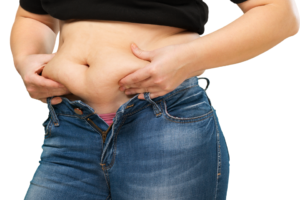
PCOS belly fat accumulates as a result of insulin resistance and hormonal imbalance. It can be hard to shift, but it is worth tackling because this is the sort of fat that produces inflammatory chemicals which can make your PCOS symptoms even worse.
I recommend you follow a 4-step approach to deal with PCOS belly fat;
Support your gut microbiome.
Do the right kind of exercise and movement.
Get good quality sleep.
Learn how to manage stress.
Let’s look at each of these steps in turn.
Encourage Good Bacteria to Grow in Your Tummy
Many studies show increased levels of harmful bacteria and differences in the composition of the gut microbiome in women with PCOS. These shifts in microbial balance can be related to hormone metabolism and inflammation. The wrong types of bacteria can promote inflammation and “recycle” estrogen, leading to further estrogen imbalance.
You can support the healthy balance and diversity of your gut microbiome by eating gut-healthy food like this wonderful Flax & Chia Light Banana Bread or Slow-cooker Indian Vegetable Curry.
The Eat Burn Sleep food lists and meal plans are designed to encourage the growth of beneficial gut bacteria which in turn help with hormone metabolism and lowering inflammation. We have hundreds of recipes on the platform, all designed with your gut bugs in mind!
Move Every Day in The Right Way
Core strength exercises that improve your abdominal tone are great for dealing with belly fat. They really work! You can read more about these sorts of exercises in Best Exercises to Lose Belly Fat Quickly.
Daily movement and exercise are important when you have PCOS, but it’s important to steer clear of workout plans that are too demanding and stressful. I see people doing intense workouts and not eating properly before or afterward, and this is a surefire way to worsen PCOS symptoms.
Workouts that are too intense increase your stress hormones and inflammation. They have the opposite effect of what you are trying to achieve.
The EBS membership includes access to our library of hundreds of movement videos that build muscle strength and help lower inflammation. I do these exercises myself daily, and I guarantee you will see the difference in your health.
Each routine takes half an hour or less – combine them with the food plan and you will see amazing changes, just like EBS Member Leila:
“I am on my 4th week of the 6-week reset, and I have PCOS.Already I’ve seen amazing results and am feeling much better and lighter in my body (and mind)!Really impressed with the quality of your work and what you’ve put into this amazing platform.”
Get Good Quality Sleep
Sleep significantly affects your hormonal health and shouldn’t be underestimated. Do you sleep easily for 7-9 hours every night? If not, this is a key area to focus on if you want to be free from PCOS belly fat.
Lack of sleep affects your appetite and satiety hormones. When they are out of rhythm, you are likely to crave sugary foods and simple carbohydrates – things like sodas, pastries, candy, and other junk foods. Eating these sorts of foods when you have PCOS-related insulin resistance leads to more belly fat and more inflammation. We explore this further in What Happens If You Don’t Sleep Enough?
For insomniacs, shift workers, and people who have had a lifetime of waking up in the middle of the night we have Expert Advice for Insomnia as part of the EBS membership. It’s a game-changer!
Reduce Stress
Stress plays a massive role in hormonal imbalance and inflammation. Stress hormones alter the balance of your gut bacteria, increase belly fat (high levels of cortisol lead to more fat storage around the belly area), and affect mental well-being. Chronic stress can lead to feelings of anxiety and depression, which can make it harder to cope with PCOS.
So, please don’t despair if you have PCOS and a larger tummy than you would like because you can change it. You are not stuck with it for life.
We have many EBS members who have turned their PCOS around by following the EBS lifestyle. This is what Remi says about the program:
“After 3 years of sticking (mostly) to your food guide, I have healed my PCOS!I just went in for hormone testing, and everything was completely normal for the first time in my life.”
We even have leading Endocrinologists who have benefited from the program, like Dr Mehreen Kahn:
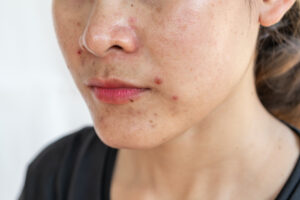
“The lifestyle has helped me so much. I have PCOS and IBS/reflux. An added benefit for me is my cystic acne from PCOS just vanished. My 13-year-old acne is clearing up.The bloat is gone, no more popping TUMS, and Gas-X and Omeprazole all the time. My tummy is flat for the first time since babies! I feel better at 40 (my birthday is tomorrow) than at 30. My hair is shinier, my nails are breaking less.”
So, are you ready to deal with PCOS belly fat? Check out our membership options now.
Yours, in health,
Yalda x
Yalda Alaoui is a qualified Naturopathic Nutritionist (with a foundation in Biomedicine) who studied with the College of Naturopathic Medicine in London. She has spent over a decade performing groundbreaking research in chronic inflammation and gut health.
Hello Everyone!
I’m sure it must be frightening to hear you have the genetic markers for Alzheimer’s disease. However, please be assured that this doesn’t automatically mean that you will develop the condition.
Why? Because you have the power to prevent Alzheimer’s disease.
It’s a bold statement, I know, but as with any inflammatory condition (which Alzheimer’s Disease is), you can use diet and lifestyle to minimize your risk of developing it.
In this article, I will tell you some facts about Alzheimer’s disease and explain how you can optimize your brain health and protect against cognitive decline.
Please share this post with anyone you know who is fearful of developing Alzheimer’s and anyone who cares for someone who has early signs of it. It might make a world of difference to their lives.
Alzheimer’s and Inflammation: The Facts
Let’s establish some of the facts about Alzheimer’s disease:
Alzheimer’s disease is the most common type of dementia. There are an estimated 5.8 million people in the U.S. with Alzheimer’s disease and related dementias. Around 200,000 of these are under the age of 65.
Women are nearly twice as likely to be affected by Alzheimer’s than men.
The inflammation and cellular damage that leads to Alzheimer’s begins years before any symptoms appear.
There are many underlying causes of Alzheimer’s, which is why the search for a single drug cure will never work.
Alzheimer’s is characterized by the appearance of amyloid plaques and knots of tau protein in brain tissue. However, this type of damage occurs in healthy brains as they age and doesn’t explain why some people develop Alzheimer’s and others don’t.
Scientists then discovered that chronic inflammation in the brain drives the progression of Alzheimer’s. It seems to be this combination of chronic inflammation alongside amyloid plaques and tau protein fibers that leads to Alzheimer’s.
Lifestyles Drive Alzheimer’s Risk
Alzheimer’s and other forms of dementia are more prevalent now than 100 years ago. This is because our diets and lifestyles are radically different:
We are exposed to more environmental toxins and chemicals in food. These toxins alter the gut microbiome and drive inflammation.
We eat junk foods that lack essential vitamins and minerals.
All these factors combine to create a state of chronic inflammation that damages brain tissue, leading to dementia and Alzheimer’s.
Alzheimer’s Disease and Gut Health
To understand the origins of Alzheimer’s we need to look at gut health. Gut bacteria have a direct effect on brain health and inflammation. What we eat affects the balance of good and bad gut bacteria and can increase our risk of inflammation in the brain.
If we choose ultra-processed foods filled with refined sugar, processed fats, and chemical additives, we are choosing to damage the gut, promote inflammation, and increase our risk of developing dementia.
If we opt for anti-inflammatory foods that provide brain-healthy nutrients, then we are choosing to nourish our gut bacteria, minimize inflammation, and protect our brains against Alzheimer’s.
Sleep and Neuroinflammation
How well we sleep influences our risk of developing neuroinflammation. Good quality sleep is vital for brain cell “housekeeping” and clearing away amyloid plaques in the brain. If you regularly get less than 7-9 hours’ sleep a night you are depriving your brain of the time it needs to do this repair work.
The Eat Burn Sleep lifestyle supports and promotes healthy sleep and we have specific advice for Insomnia. You might also like to read: What Happens If You Don’t Sleep Enough?
Movement Affects Our Brains
Exercise and movement stimulate blood flow and oxygen circulation to the brain. Brain cells get more nutrients and metabolic waste can be cleared away.
Our program includes a whole series of exercise and movement videos designed to improve your strength without increasing inflammation. Many regular forms of exercise are too strenuous. They spike your cortisol levels which then causes more inflammation.
Stress Response and Inflammation
Stress is a massive factor in chronic inflammation and dementia. We each have the power to reduce the effects of stress and improve our resilience. Regular relaxation is crucial for cognitive wellbeing and we have a library of guided meditations for you to enjoy.
How Long Does Protection Against Alzheimer’s Take?
In a matter of weeks, you can dramatically change your genetic expression and reduce your risk of Alzheimer’s disease. If you are as consistent as possible (I advise an 80/20 on this lifestyle), you give yourself the best protection possible.
Start the Six-Week Reset, and then follow Daily Goals and the monthly planner in the Reboot & Revive section under Lifestyle Guide to make your meals, meditations, exercises, and snacks for each day as easy as possible. Remember that the recipes are family-and-friends-friendly!
Reverse Early Onset Dementia
If you have signs of Mild Cognitive Impairment (MCI) or early-onset dementia, you can slow the progression and dramatically change the outcome with the Eat Burn Sleep lifestyle. Give yourself proper rest, daily movement, interesting activities to stimulate your brain, and an anti-inflammatory diet, and you will give your brain the best chance to fight dementia.
My final advice is to start protecting yourself as soon as possible. Don’t live with that fear anymore. You can protect yourself against developing inflammatory conditions like Alzheimer’s disease and look and feel years younger by doing so!
For members seeking more personalised support, the platform also offers dedicated Alzheimer’s advice as part of the Premium Membership. This includes in-depth guidance, research-backed strategies, and practical tools to help reduce risk factors and support long-term brain health.
You might also like:How Does Sleep Help With Inflammation?Brain Food for Studying and FocusSigns of Inflammation That May Surprise You
With love and excellent health, as always!
Yalda x
Yalda Alaoui is a qualified Naturopathic Nutritionist (with a foundation in Biomedicine) who studied with the College of Naturopathic Medicine in London. She has spent over a decade performing groundbreaking research in chronic inflammation and gut health.
Are you always hungry and never feel full? Feeling constantly hungry can be confusing and frustrating, especially if your doctor is advising exercise and weight loss.
Maybe you’re exercising a lot and not losing weight. Maybe you’re eating low calorie foods that never fill you up. Or maybe you graze all day and just want to know why your appetite is never satisfied.
In this post, we will explore a huge factor contributing to excessive hunger, and I will tell you how to fix it!
Can’t Stop Eating All Day
There are several reasons why you can’t stop eating all day:
You are not eating or absorbing enough nutrients. Every day, your body needs a certain amount of protein, carbohydrates, fats, vitamins, and minerals. If you are not eating enough, or have digestive problems that affect nutrient absorption, you will still feel hungry. This is your body telling you that it needs more nutrients. Our food lists are designed to provide all the nutrients you need and our meal plans will help you feel satisfied and full.
Emotional eating. Are you bored, stressed, or locked into unhealthy habits? I share tips on how to deal with Emotional Eating in the Masterclass Lives series.
Eating too quickly. Take time to enjoy your meals. Sit at a table away from your desk or the sofa and switch off the TV. Listen to calming, relaxing music if you don’t like silence. Put your phone out of reach while you eat. And most importantly, chew each mouthful thoroughly as this helps your stomach to know when it is full.
You are not getting quality sleep! This can easily make you feel hungry all the time. Let’s find out why sleep is so important for feeling full.
Why Do I Never Full and Always Feel Tired?
If you have had medical conditions ruled out by your doctor and you can’t stop eating and feel tired all the time, you are most likely not getting enough sleep.
Several things happen when you don’t get enough sleep:
Your gut microbes can’t carry out their nightly “gut housekeeping” activities to maintain a healthy digestive system.
Cortisol levels rise. This helps your body handle the stress caused by lack of sleep but it also disrupts blood sugar balance, digestion, and gut bacteria.
Human Growth Hormone (HGH), which keeps lower body fat levels, is dysregulated.
You produce more of the hunger hormone, ghrelin, and less of the fullness hormone, leptin. No matter what you eat you don’t feel full!
You feel tired and less able to exercise so you have less energy expenditure. All those extra calories lead to more weight gain.
You have less resistance to oxidative stress, which increases chronic inflammation.
How much sleep do I need?
Experts recommend between 7 and 9 hours of sleep for an adult.
There is a rare collection of people with a specific gene (1% of the population has DEC2) that can survive on 6 hours of sleep. But this is a very rare gene and the majority of adults need 7-9 hours of sleep to stay healthy.
Diet Affects Sleep
Firstly, lose the ‘diet’ mindset and embrace ‘nutrition’ instead.
These days, people have diets with a lot of processed carbohydrates, fats, and protein but are not getting the vitamins and minerals essential for health.
We can have bigger bodies but be starving on the inside – which will not help us sleep. If you have the right vitamins and minerals, you are full. When your body is satisfied nutritionally, you are more likely to sleep better.
Not having enough of the right nutrition could cause insomnia, which puts you in a spiral of sleep deprivation and undernourishment. This cycle makes your body more susceptible to chronic inflammation and disease.
How Sleep Affects Metabolism
Our bodies run on a circadian rhythm – an internal 24-hour clock. We have rhythms and patterns for sleep, movement, concentration, digestion, cell repair, brain function, and more!
When we live in harmony with these rhythms, we give ourselves the best chance of being healthy. But when we stay up late staring at screens, snacking on junk food, and not getting enough daily movement or daylight then we disrupt this rhythm and trigger health problems.
If you don’t give yourself the opportunity for 7-9 hours of sleep each night, you disrupt your internal body clock. Studies show that sleep deprivation leads to metabolic dysregulation. This presents as weight gain (usually around the belly), food cravings, poor blood sugar regulation, and inflammation. Chronic sleep deprivation is recognized as a significant contributor to the rise of type 2 diabetes – and it can be avoided.
EBS Members Check out the article on Insomnia in the Personalized Advice section. Remember that on the 15th of every month, we bring you a new comprehensively researched article in the Personalized Advice section. Do get in touch if there is a specific condition you would like to see us cover.
How Can You Improve Your Sleep?
The first step is to look at your diet. The Eat Burn Sleep anti-inflammatory diet and lifestyle is proven to optimize mental and physical health and promote sound, quality sleep.
This is what EBS member Jocelyn has to say about the program:
“I’ve suffered insomnia since February, and I’ve tried everything under the sun, all the medications, acupuncture, and Traditional Chinese Medicine, and nothing worked until my friend introduced me to EBS. It’s been a bit less than 3 weeks and I’ll admit I have cheat days… and my sleep is back to 70%.
I see it as a silver lining as I had never heard of chronic inflammation before, so this 2 month’s insomnia experience has made me a lot more health-conscious and opened my eyes to so many things!”
Our food lists and meal plans ensure you never feel hungry and get all the nutrients you need. You will never be reaching for food all day long again!And, our Movement Videos and Meditation Guides will help you move each day and relax properly, ready for a good night’s sleep.
Here are a couple of teaser dishes to get you inspired:
Savory Rosemary & Chives Paleo Bread RollsSlow Cooker Oxtail & Vegetables.
Want to know more? You can check out our membership options here and find more sleep talk in:
What Happens If You Don’t SleepWeight Loss & The Link to SleepThe Benefits of Sun Exposure.
I wish you excellent health and a great day,
Yalda x
Yalda Alaoui is a qualified Naturopathic Nutritionist (with a foundation in Biomedicine) who studied with the College of Naturopathic Medicine in London. She has spent over a decade performing groundbreaking research in chronic inflammation and gut health.
Hello Everyone,
I am often asked about the signs of inflammation and how to tell if it’s a problem. But honestly, chronic inflammation will express itself differently for each of us! This is because we have a unique genetic makeup that influences our health.
However, there are some common signs of inflammation to look out for, some of which will surprise you.
This is not an exhaustive list, but I hope it gives you an idea of how many different ways chronic inflammation can appear in your body.
Should I Be Tested For Inflammation?
In some cases, your doctor or healthcare practitioner may run blood or stool tests to check for inflammatory markers. The most commonly tested marker in your blood is CRP – C-Reactive protein. Elevated levels of CRP indicate acute inflammation in your system.
However, CRP levels do not give the whole picture and you can still have chronic inflammation even if your levels are within the normal range.
What Causes Chronic Inflammation?
It’s easy to get attached to the name of a disease and what medicines you can take to deal with it rather than thinking about the underlying cause. So many people get rid of their health issues on the Eat Burn Sleep program because it deals with the underlying cause.
When we talk about chronic inflammation we are looking at two main underlying causes: diet and lifestyle.
Yes, genetics play a role too. But even if you carry a genetic predisposition for an inflammatory condition, it is your diet and lifestyle that switches on those genes.
Diet, Lifestyle, and Chronic Inflammation
Diet is a major underlying cause of chronic inflammation because of the number of Ultra Processed Foods and Drinks (UPFDs) available now. These foods and drinks are high in refined sugars, industrially processed oils, artificial sweeteners, additives, and emulsifiers. They lack fiber, vitamins, minerals, and antioxidants.
They aren’t real food; they are the products of a chemistry lab! And we as humans are not designed to thrive on such things.
Lifestyle is the other major underlying cause. We have become reliant on smartphones and screens that disrupt our sleep. Millions of people are dealing with high levels of stress. And we move our bodies far less than we need to.
A sedentary lifestyle is strongly linked with chronic inflammation and is known to increase your risk of developing serious conditions like cardiovascular disease and diabetes. The same goes for stress too. Ongoing stress disturbs gut health, immunity, brain function, and cellular repair, opening the door to weight gain and chronic inflammation.
Eat Burn Sleep – The Power of an Anti-Inflammatory Lifestyle
Living a low-inflammation lifestyle protects you from disease and helps you recover from illness and surgery more efficiently.
The Eat Burn Sleep approach is more than just an anti-inflammatory diet. It is a complete 360-degree platform of inflammation-reducing tools.
The program includes:
Food plans
Recipes
Guided meditations
Movement videos
Health masterclasses, and more.
It is a program that works. We have countless testimonials from EBS members who have had an inflammatory condition, followed the program, and then returned to see their doctor who is astounded at the results.
Take Natasa, who saw incredible results after only 3 weeks on the program:
“Since joining the platform 3 weeks ago, I have lost 3kg, and my bloating is gone.
I have bilateral patellofemoral osteoarthritis (severe pain in both knees) and the pain is now much less. I feel like I can finally start doing movement videos that previously I couldn’t do because of my knee pain. Also, all your recipes are so tasty.
Thank you so much.”
I am passionate about helping people live healthier, happier lives, so you can imagine how it feels when testimonials like this come in!
How does the program work?
I always suggest that people start with the 6-week Reset. This is designed to optimize your gut microbiota and liver function. It takes just 42 days to feel incredible before you carry your anti-inflammatory lifestyle forward with all the tools that you need.
The program is all about moderation and enjoying life – not deprivation and restriction. It’s about damage limitation, not perfection! With the health education Eat Burn Sleep provides, people make better choices for themselves and their families – promoting healthier lives for all ages.
Want to find out more? Enjoy a sneak peek into the program and find out more about our membership options now.
You might also like:How Does Sleep Help With Inflammation?Heart Health: Do You Have a Heart-healthy Lifestyle?Recovering From CancerWith love,Yalda x
Yalda Alaoui is a qualified Naturopathic Nutritionist (with a foundation in Biomedicine) who studied with the College of Naturopathic Medicine in London. She has spent over a decade performing groundbreaking research in chronic inflammation and gut health.
Hi Everyone,
Do you enjoy socializing with a drink? So do I! I am not a big drinker and it doesn’t take much to make me feel unwell after a night out. But as with many things in life, it’s all about moderation and having fun.
Let’s face it, we are not perfect and hopefully never will be. Life wouldn’t be life without ups and downs, boring times, and fun times! And I have a top tip for managing drinking and socializing: drink less and have more fun.
It’s important to socialize and see people. It benefits your mental health and strengthens your immune system. And for many people, socializing goes hand in hand with enjoying a drink. Because of this, small amounts of alcohol are allowed as part of the Eat Burn Sleep lifestyle.
Of course, the downside of having a drink is feeling rough the next day! If you want to know how to deal with a hangover, this post is for you.
Why Am I So Hungry With a Hangover?
If you’re like me, after a couple of glasses of wine, you won’t care about watching what you eat. And the next day you feel so ravenous you wolf down food and don’t feel full. So what’s going on?
There are a few reasons why a hangover makes you feel hungry:
Alcohol is essentially liquid sugar. When you enjoy a few drinks the sugar floods into your bloodstream, elevating your blood sugar levels. A few hours later, your blood sugar levels fall rapidly, leaving you hungry for starchy foods.
Alcohol is dehydrating. Dehydration can make you crave food as the body sometimes mistakes thirst for hunger.
Sleep is badly affected by alcohol – especially deep, restorative sleep. You might feel drowsy and fall asleep quickly, but your normal cycles of deep sleep and lighter sleep will be disrupted.
Poor quality sleep affects your hunger and satiety hormones. Without good sleep, you will have more ghrelin (the hunger hormone) and less leptin (the satiety hormone).
You may be interested in reading about how good, regular sleep helps you lose weight.
Your liver has to work hard to detoxify alcohol. This process uses up a lot of energy and nutrients so it makes sense that your body craves food to keep up with this demand.
How To Recover From a Hangover
Firstly, don’t feel guilty or beat yourself up. You’ve had a great time, and life is to be enjoyed. Overindulging happens.
If you can begin your hangover recovery plan before you go to sleep, that is a great start.
When you get home, drink plenty of water with added electrolytes. Electrolyte minerals like magnesium and potassium help your body to rehydrate faster than if you drink plain water. You can see which electrolyte products I recommend on the Yalda Loves page and I also use this simple homemade electrolyte mixture. Sometimes I take a dose of Alka seltzer* too, to prevent acid indigestion. All the sugar in the alcohol is a big trigger for reflux.
When you get up the next morning, repeat the above. You need to rehydrate and not overtax yourself.
(*Please check with your doctor before taking any over-the-counter medicines.)
What to Eat the Morning After
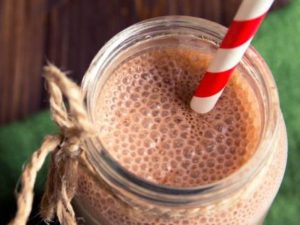
When I wake up with a hangover, I crave sugar badly, and the last thing I want to eat is something healthy like eggs and salmon! So, I make my super yummy and nutrient-dense coconut protein shake. It satisfies all my sweet cravings while stabilizing my blood sugar levels.
Other great breakfast options include:
Bananas are packed with magnesium, vitamin B6, and fiber.
Avocados are another great source of fiber, magnesium, and potassium to help optimize energy levels and blood pressure.
Almonds for fiber, B vitamins, and antioxidant vitamin E.
And if you can face them, eggs! Boiled, scrambled, poached, or in our delicious Shakshuka recipe.
Eggs are a fantastic source of protein, B vitamins, and glutathione – our master antioxidant nutrient. Your liver needs plenty of glutathione and B-vitamins to detoxify alcohol so it’s a good idea to top up after a night out.
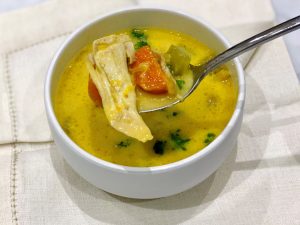
Later on, you could enjoy a bowl of our Immune Boosting Chicken Soup. It’s hydrating and packed with liver-health ingredients like egg yolk, turmeric, carrots, lemon, and olive oil.
You want to fill your body with nutrients and resist the urge to eat junk food. Junk food is precisely that – junk. Ultimately, it will make you feel worse.
You don’t want to punish yourself. Nourish yourself. Eat Burn Sleep’s anti-inflammatory foods deliver what your body needs when you have a hangover.
Members: There’s an Overindulgence Recovery Protocol in the Membership Section, which also covers recovering from overindulging in food.
Non-Members/Members: You could make these egg muffins before your evening out so that you have a healthy snack on hand when you get home.
What to Drink When You Have a Hangover
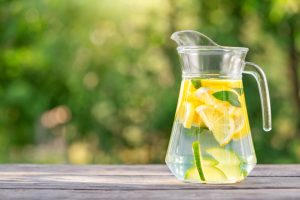
Water is the most important drink to help relieve a hangover. Drink it plain or add slices of fresh lemon for a boost of vitamin C.
Coffee can add to blood sugar imbalance but if you really want one, have one. Just be sure to have it after a meal and not on an empty stomach.
Green tea has more antioxidants than other forms of tea. It’s a good option for maintaining healthy blood pressure, regulating blood sugars, and optimizing your metabolism (among many other health benefits).
The caffeine in green tea is counterbalanced by an amino acid called theanine. Theanine soothes your nervous system to help you feel alert and calm at the same time.
Get Moving and Shake Off That Hangover
Gentle movement and exercise will get your blood flowing and boost your endorphins (those happy mood chemicals). Aim for a gentle workout, light jog, or easy yoga session. If you can get outside in the sunshine, all the better. Natural daylight and vitamin D will help your body get back into its normal rhythms.
Then, later in the day, Eat Burn Sleep members can relax and enjoy a soothing meditation bath before bed.
What to Drink to Avoid a Hangover
What are the best drinks to have to avoid a hangover? Wine, beer, spirits? Or just let go and enjoy a few cocktails?
Here’s what I do on a night out with friends…
1/ Alternate water and alcoholic drinks to avoid becoming dehydrated.
A little trick is to order sparkling water with ice and a slice of lemon so people assume you are drinking alcohol (and you aren’t being a joy killer) when, in fact, you are taking a little break and having water.
2/ Steer clear of cocktails
I try to steer clear of cocktails because they are loaded with sugar, and I would prefer to save those calories for a nice paleo muffin the next day!
Sugar makes everything worse because it disrupts the healthy bacteria in your gut. Drinking sugary cocktails is a surefire way to feel even worse the next day.
If you love cocktails, try switching to plain spirits like vodka, tequila, and gin with soda water, lime, or a drop of cordial. That amount of cordial is fine compared to how much sugar there would be if it were a cocktail. Again, it is about moderation and finding the right middle ground.
3/ Limit wine and champagne
As much as I love a good glass of wine, I only have one. Maybe two! My health issues make me feel how much yeast and sugar (from the fructose) there is in those drinks, and I invariably feel it the next day. But if you are dining out, by all means, do enjoy some good wine.
I hope this was helpful to you. If you have any tips, please share them in our members’ health community or drop me a message on Instagram.
Don’t forget to smile and enjoy having a fantastic social life!
I chat about the importance of socializing with Nick Potter in the podcast about the behavioral immune system. It’s fascinating! We talk about the immune system, gut health, and socializing (amongst many other things!). Definitely worth a listen!
You may also like these articles:
Also, if you find that you are regularly getting hungover and feeling anxious or depressed, please know that we have personalized advice for depression on this platform. Plus, Insomnia and 30+ other conditions.
Enjoy your night out!
Yalda x
About the Author
Yalda Alaoui is a qualified Naturopathic Nutritionist with a foundation in Biomedicine. She studied with the College of Naturopathic Medicine in London and has spent over a decade performing groundbreaking research in chronic inflammation and gut health.
We use cookies on our website to give you the most relevant experience by remembering your preferences and repeat visits. By clicking “Accept All”, you consent to the use of ALL the cookies. However, you may visit "Cookie Settings" to provide a controlled consent.
This website uses cookies to improve your experience while you navigate through the website. Out of these, the cookies that are categorized as necessary are stored on your browser as they are essential for the working of basic functionalities of the website. We also use third-party cookies that help us analyze and understand how you use this website. These cookies will be stored in your browser only with your consent. You also have the option to opt-out of these cookies. But opting out of some of these cookies may affect your browsing experience.
Necessary cookies are absolutely essential for the website to function properly. These cookies ensure basic functionalities and security features of the website, anonymously.
Cookie
Duration
Description
cookielawinfo-checkbox-analytics
11 months
This cookie is set by GDPR Cookie Consent plugin. The cookie is used to store the user consent for the cookies in the category "Analytics".
cookielawinfo-checkbox-functional
11 months
The cookie is set by GDPR cookie consent to record the user consent for the cookies in the category "Functional".
cookielawinfo-checkbox-necessary
11 months
This cookie is set by GDPR Cookie Consent plugin. The cookies is used to store the user consent for the cookies in the category "Necessary".
cookielawinfo-checkbox-others
11 months
This cookie is set by GDPR Cookie Consent plugin. The cookie is used to store the user consent for the cookies in the category "Other.
cookielawinfo-checkbox-performance
11 months
This cookie is set by GDPR Cookie Consent plugin. The cookie is used to store the user consent for the cookies in the category "Performance".
viewed_cookie_policy
11 months
The cookie is set by the GDPR Cookie Consent plugin and is used to store whether or not user has consented to the use of cookies. It does not store any personal data.
Functional cookies help to perform certain functionalities like sharing the content of the website on social media platforms, collect feedbacks, and other third-party features.
Performance cookies are used to understand and analyze the key performance indexes of the website which helps in delivering a better user experience for the visitors.
Analytical cookies are used to understand how visitors interact with the website. These cookies help provide information on metrics the number of visitors, bounce rate, traffic source, etc.
Advertisement cookies are used to provide visitors with relevant ads and marketing campaigns. These cookies track visitors across websites and collect information to provide customized ads.


 Reboot and Revive


 Studies show that sleep loss and disrupted sleep lead to raised levels of inflammatory mediators (Dzierzewski et al, 2020) which are linked to the development of chronic conditions and metabolic disorders like Type II diabetes and cardiovascular disease (Mullington et al, 2010).
In turn, the pain and discomfort of chronic inflammatory disorders can interrupt healthy sleep patterns, leading to a negative spiral of poor sleep and further inflammation.
Chronic low-grade inflammation is an underlying factor in so many conditions. From obesity and weight gain to depression, fertility problems, and thyroid issues, tackling inflammation is the secret to optimum health and vitality.
Studies show that sleep loss and disrupted sleep lead to raised levels of inflammatory mediators (Dzierzewski et al, 2020) which are linked to the development of chronic conditions and metabolic disorders like Type II diabetes and cardiovascular disease (Mullington et al, 2010).
In turn, the pain and discomfort of chronic inflammatory disorders can interrupt healthy sleep patterns, leading to a negative spiral of poor sleep and further inflammation.
Chronic low-grade inflammation is an underlying factor in so many conditions. From obesity and weight gain to depression, fertility problems, and thyroid issues, tackling inflammation is the secret to optimum health and vitality.

 Hello Everyone,
It doesn’t matter who you are, your age, or your resilience, we all cry and need to cry.
It’s an essential release for grief, sadness, stress, anger, happiness, sentimentality, and tiredness.
Sometimes though, we can cry for no obvious reason and wonder what is going on with ourselves!
So many people tell me they feel like crying and don’t know why. They say they have a good life, many great friends, a wonderful family, and good health. They are flummoxed because they have lots to look forward to and cannot understand why they burst out crying at any moment.
In this post, I am going to explain one of the biggest reasons why people often feel like crying for no obvious reason.
Hello Everyone,
It doesn’t matter who you are, your age, or your resilience, we all cry and need to cry.
It’s an essential release for grief, sadness, stress, anger, happiness, sentimentality, and tiredness.
Sometimes though, we can cry for no obvious reason and wonder what is going on with ourselves!
So many people tell me they feel like crying and don’t know why. They say they have a good life, many great friends, a wonderful family, and good health. They are flummoxed because they have lots to look forward to and cannot understand why they burst out crying at any moment.
In this post, I am going to explain one of the biggest reasons why people often feel like crying for no obvious reason.




 Improving gut health improves brain health.
It’s science!
Want to read more about this topic? You might enjoy:
Improving gut health improves brain health.
It’s science!
Want to read more about this topic? You might enjoy:
 Hello Everyone,
It can be challenging to flatten your tummy when you have hormonal and inflammatory conditions like Polycystic Ovary Syndrome (PCOS).
In this article, I’m going to explain why it’s hard to lose belly fat when you have PCOS and share some of my best tips for dealing with this issue.
Hello Everyone,
It can be challenging to flatten your tummy when you have hormonal and inflammatory conditions like Polycystic Ovary Syndrome (PCOS).
In this article, I’m going to explain why it’s hard to lose belly fat when you have PCOS and share some of my best tips for dealing with this issue.




 So, please don’t despair if you have PCOS and a larger tummy than you would like because you can change it. You are not stuck with it for life.
We have many EBS members who have turned their PCOS around by following the EBS lifestyle. This is what Remi says about the program:
“After 3 years of sticking (mostly) to your food guide, I have healed my PCOS!
I just went in for hormone testing, and everything was completely normal for the first time in my life.”
We even have leading Endocrinologists who have benefited from the program, like Dr Mehreen Kahn:
“The lifestyle has helped me so much. I have PCOS and IBS/reflux. An added benefit for me is my cystic acne from PCOS just vanished. My 13-year-old acne is clearing up.
The bloat is gone, no more popping TUMS, and Gas-X and Omeprazole all the time. My tummy is flat for the first time since babies! I feel better at 40 (my birthday is tomorrow) than at 30. My hair is shinier, my nails are breaking less.”
So, are you ready to deal with PCOS belly fat?
So, please don’t despair if you have PCOS and a larger tummy than you would like because you can change it. You are not stuck with it for life.
We have many EBS members who have turned their PCOS around by following the EBS lifestyle. This is what Remi says about the program:
“After 3 years of sticking (mostly) to your food guide, I have healed my PCOS!
I just went in for hormone testing, and everything was completely normal for the first time in my life.”
We even have leading Endocrinologists who have benefited from the program, like Dr Mehreen Kahn:
“The lifestyle has helped me so much. I have PCOS and IBS/reflux. An added benefit for me is my cystic acne from PCOS just vanished. My 13-year-old acne is clearing up.
The bloat is gone, no more popping TUMS, and Gas-X and Omeprazole all the time. My tummy is flat for the first time since babies! I feel better at 40 (my birthday is tomorrow) than at 30. My hair is shinier, my nails are breaking less.”
So, are you ready to deal with PCOS belly fat? 






 Are you always hungry and never feel full? Feeling constantly hungry can be confusing and frustrating, especially if your doctor is advising exercise and weight loss.
Maybe you’re exercising a lot and not losing weight. Maybe you’re eating low calorie foods that never fill you up. Or maybe you graze all day and just want to know why your appetite is never satisfied.
In this post, we will explore a huge factor contributing to excessive hunger, and I will tell you how to fix it!
Are you always hungry and never feel full? Feeling constantly hungry can be confusing and frustrating, especially if your doctor is advising exercise and weight loss.
Maybe you’re exercising a lot and not losing weight. Maybe you’re eating low calorie foods that never fill you up. Or maybe you graze all day and just want to know why your appetite is never satisfied.
In this post, we will explore a huge factor contributing to excessive hunger, and I will tell you how to fix it!




 Hello Everyone,
I am often asked about the signs of inflammation and how to tell if it’s a problem. But honestly, chronic inflammation will express itself differently for each of us! This is because we have a unique genetic makeup that influences our health.
However, there are some common signs of inflammation to look out for, some of which will surprise you.
Hello Everyone,
I am often asked about the signs of inflammation and how to tell if it’s a problem. But honestly, chronic inflammation will express itself differently for each of us! This is because we have a unique genetic makeup that influences our health.
However, there are some common signs of inflammation to look out for, some of which will surprise you.





 Hi Everyone,
Do you enjoy socializing with a drink? So do I! I am not a big drinker and it doesn’t take much to make me feel unwell after a night out. But as with many things in life, it’s all about moderation and having fun.
Let’s face it, we are not perfect and hopefully never will be. Life wouldn’t be life without ups and downs, boring times, and fun times! And I have a top tip for managing drinking and socializing: drink less and have more fun.
It’s important to socialize and see people. It benefits your mental health and strengthens your immune system. And for many people, socializing goes hand in hand with enjoying a drink. Because of this, small amounts of alcohol are allowed as part of the Eat Burn Sleep lifestyle.
Of course, the downside of having a drink is feeling rough the next day! If you want to know how to deal with a hangover, this post is for you.
Hi Everyone,
Do you enjoy socializing with a drink? So do I! I am not a big drinker and it doesn’t take much to make me feel unwell after a night out. But as with many things in life, it’s all about moderation and having fun.
Let’s face it, we are not perfect and hopefully never will be. Life wouldn’t be life without ups and downs, boring times, and fun times! And I have a top tip for managing drinking and socializing: drink less and have more fun.
It’s important to socialize and see people. It benefits your mental health and strengthens your immune system. And for many people, socializing goes hand in hand with enjoying a drink. Because of this, small amounts of alcohol are allowed as part of the Eat Burn Sleep lifestyle.
Of course, the downside of having a drink is feeling rough the next day! If you want to know how to deal with a hangover, this post is for you.




 I hope this was helpful to you. If you have any tips, please share them in our