

 Reboot and Revive


The Ultimate 5
Eating a variety of nutritious, healthy foods is crucial for overall health. A diet rich in fruits, vegetables, and beans provides essential nutrients high in fiber, vitamins, and minerals like calcium, contributing to well-being. Choosing sources of healthy fats, such as those found in fish, supports heart health and reduces the risk of heart disease. Limiting the intake of sugars, salt, and processed foods is vital to maintaining a balanced diet. Learning about nutrition and dietary guidelines from sources like the NIH can aid in making informed food choices. For both children and adults, a daily intake of nutritious, low-calorie foods not only provides energy but also helps reduce the risk of chronic diseases. Prioritizing healthy eating habits can significantly impact one’s health, particularly for women, creating a foundation for a healthier lifestyle. The National Institutes of Health (NIH) is the primary agency of the United States government responsible for biomedical and health-related research. It consists of 27 different institutes and centers, each focusing on specific areas of health and disease. NIH’s mission is to conduct and support research to advance scientific knowledge, improve public health, and develop innovative approaches to various health challenges. Numerous foods offer both health benefits and delicious flavors. Incorporating a selection of fruits, vegetables, high-quality protein, and whole foods into your plate results in vibrant, adaptable, and beneficial meals. Below are 5 nutritious healthy food and delightful options to add to your diet.Fruits and Berries
Fruits and berries are popular choices for maintaining health.
They offer sweetness, nutritional value, and ease of inclusion in your diet due to minimal preparation requirements.
- Apples contain fiber, vitamin C, and a multitude of antioxidants. They serve as a filling snack, ideal for staving off hunger between meals.
- Avocados – Distinguished from most fruits due to their healthy fat content, are not only creamy and flavorful but also rich in fiber, potassium, and vitamin C. Consider swapping mayonnaise for avocado as a salad dressing or spreading it on toast for breakfast.
- Bananas – Rich in potassium and vitamin B6, bananas are convenient and easily portable.
- Blueberries – Delicious and abundant in antioxidants, blueberries make a delightful addition to your diet.
- Oranges – Recognized for their vitamin C content, oranges also offer high fiber and antioxidant properties.
- Strawberries are highly nutritious while being low in both carbohydrates and calories; strawberries provide vitamin C and manganese, making them a delicious dessert option.
Meats
Incorporating lean, unprocessed meats into a balanced diet is beneficial.
- Lean Beef When consumed in moderation, lean beef is an exceptional protein source and offers highly bioavailable iron.
- Chicken Breasts Low in fat and calories but rich in protein, chicken breast is a fantastic source of numerous essential nutrients.
- Lamb and Mutton Sheep, often grass-fed, produce meat that typically contains higher levels of omega-3 fatty acids compared to omega-6.
Nuts and Seeds
Despite their higher unsaturated fat content and calorie density, nuts and seeds have been linked to reducing the risk of cardiovascular disease, cancer, and other health concerns. They serve as a satisfying snack and may assist individuals in managing their weight.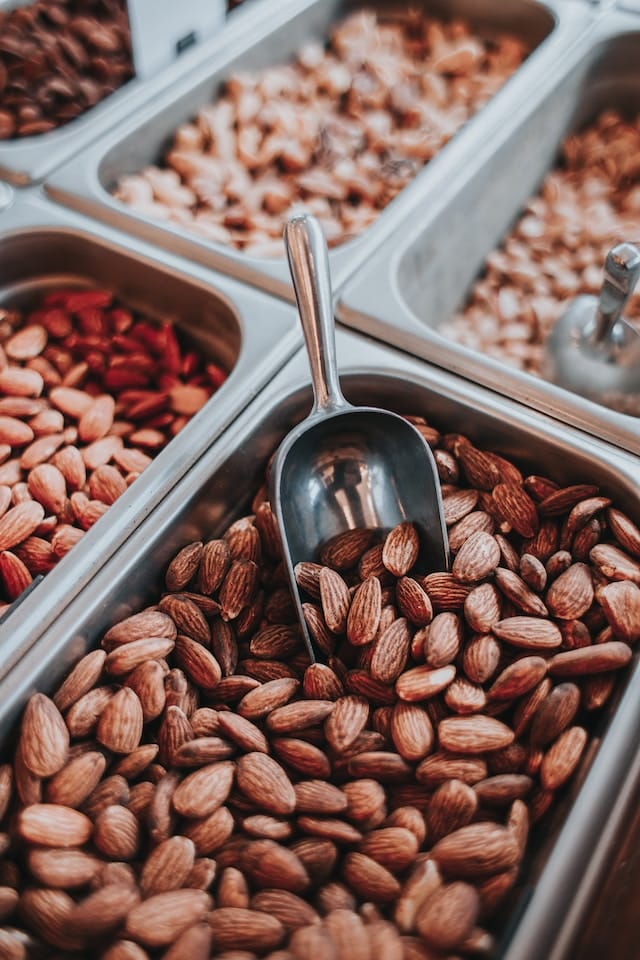 They require minimal preparation, making them easy to incorporate into daily routines, and can enhance the texture of salads and various dishes. However, individuals with nut allergies should avoid them.
- Almonds, a popular nut, are rich in vitamin E, antioxidants, magnesium, and fiber. A 2021 review highlighted their potential contributions to weight loss, gut microbiota support, cognitive improvement, stress-related heart rate management, and skin aging prevention. Chia Seeds Nutrient-dense chia seeds offer a notable 11 grams of fiber per ounce (28 grams), along with substantial amounts of magnesium, manganese, calcium, and various other essential nutrients.
- Coconuts provide fiber and medium-chain triglycerides (MCTs), a type of fatty acid.
- Macadamia Nuts Delicious macadamias are higher in monounsaturated fats and lower in omega-6 fatty acids than most other nuts.
- Walnuts Highly nutritious walnuts are packed with fiber, vitamins, and minerals. Pairing them with feta cheese makes for an excellent salad dressing.
- Brazil Nuts Nutrient-rich with a creamy texture, they contain selenium, a mineral that supports thyroid function.
Incorporating a variety of vegetables into your diet ensures a broad spectrum of nutrients.
- Asparagus Low in both carbohydrates and calories, asparagus is a popular vegetable rich in vitamin K.
- Bell Peppers Available in various colors, bell peppers are crunchy, sweet, and rich in antioxidants and vitamin C.
- Broccoli A versatile cruciferous vegetable, broccoli is rich in fiber, vitamins C and K, and contains a considerable amount of protein compared to other vegetables. It’s delicious, both raw and cooked.
- Carrots Sweet and crunchy, carrots are a popular root vegetable packed with nutrients like vitamin K and carotene antioxidants. Ideal for snacking or paired with guacamole and other dips.
- Cauliflower Highly versatile, cauliflower, a cruciferous vegetable, can be added to various dishes, whether curries, roasted with olive oil, or used raw in salads or for dipping.
- Cucumber Refreshing and low in both carbs and calories, cucumbers mainly consist of water, offering small amounts of vitamin K and other nutrients.
- Garlic A healthy and flavorful addition to salads and savory dishes, garlic contains allicin, recognized for its antioxidant and antimicrobial effects, potentially reducing the risk of cancer and cardiovascular disease.
- Kale Rich in fiber, vitamins C and K, and other nutrients, kale adds a satisfying crunch to salads and various dishes. It can also be included in stir-fries or baked to create crunchy kale chips.
- Onions With a robust flavor featured in many recipes, onions contain several bioactive compounds believed to offer health benefits.
- Tomatoes While technically a fruit, tomatoes offer tastiness along with nutrients like potassium and vitamin C. Try growing them on your windowsill for added flavor.
Here’s a summary for building a healthy and balanced diet based on the guidelines:
- Prioritize Vegetables and Fruits:
- Make half of your meal consist of a variety of vegetables and fruits. Aim for different colors and types. Note that potatoes don’t count as vegetables due to their impact on blood sugar.
- Choose Good CarbohydratesGrains:
- Fill about a quarter of your plate with good carbs that support steady energy and blood sugar levels. This includes foods like sweet potatoes, carrots, parsnips and quinoa.
- Focus on Protein Sources:
- Reserve another quarter of your plate for protein sources like fish, poultry, beans, and nuts. Limit red meat and avoid processed meats such as bacon and sausage.
- Moderate Healthy Plant Oils:
- Use healthy vegetable oils like olive, canola, soy, etc., and avoid partially hydrogenated oils that contain unhealthy trans fats. Remember that “low-fat” doesn’t necessarily mean “healthy.”
- Hydration Choices:
- Opt for water, coffee, or tea. Avoid sugary drinks and limit juice intake to a small glass a day.
- Stay Active:
- Regular physical activity is crucial for weight control and overall health. Incorporate exercise and movement into your daily routine to complement a balanced diet.