Are you sleeping well? This is a question I ask my executive coaching clients, and the answer is frequently no! Modern life is full of things that disrupt sleep. Eating ultra-processed foods, scrolling social media, late-night Netflix, lack of exercise – it’s little wonder that people are struggling to sleep. And yet sleep is critical to health, especially if you are dealing with an inflammatory condition. So, how does sleep help with inflammation?
Sleep and Inflammation
Your body does a great deal of cellular repair work while you sleep. If you don’t get enough sleep, this healing work is compromised.
There are 4 stages of sleep in each sleep cycle, and we go through several cycles each night.
Stage 1 is the first stage of non-REM (Rapid Eye Movement) sleep. It is a light sleep that lasts a few minutes as the body and brain start to relax and wind down.
Stage 2 is the next phase of non-REM sleep during which our core temperature drops, muscles relax, and heart rate and breathing slow down.
Stage 3 is deep non-REM sleep. This is the deep, restorative sleep that allows the body and mind to heal, repair, restore energy, and consolidate memories. This is the most important stage of sleep for optimum health and managing inflammation.
Stage 4 is REM sleep. Brain activity picks up and we may experience vivid dreams. REM sleep is thought to be essential for healthy brain function and processing information.
Studies show that sleep loss and disrupted sleep lead to raised levels of inflammatory mediators (Dzierzewski et al, 2020) which are linked to the development of chronic conditions and metabolic disorders like Type II diabetes and cardiovascular disease (Mullington et al, 2010).
In turn, the pain and discomfort of chronic inflammatory disorders can interrupt healthy sleep patterns, leading to a negative spiral of poor sleep and further inflammation.
Chronic low-grade inflammation is an underlying factor in so many conditions. From obesity and weight gain to depression, fertility problems, and thyroid issues, tackling inflammation is the secret to optimum health and vitality.
Sleep and Gut Health
At Eat Burn Sleep, we recognise just how vital gut health is for overall health and wellbeing. Your gut microbiome influences almost every aspect of disease and constantly communicates with your brain and immune system.
Messenger molecules produced by gut microbes help to regulate your sleep-wake cycle, the internal 24-hour clock that determines when you are asleep or awake. If the balance of microbes in the gut is disturbed – we call this microbiome dysregulation – it can interfere with healthy sleep patterns and promote inflammation.
These microbes also produce some of the neurotransmitters that help you sleep. For example, over 90% of serotonin is produced in the gut, and it is serotonin that converts to melatonin, the sleep hormone.
GABA (gamma-aminobutyric acid) is another essential hormone. It has a calming effect on the central nervous system, helping you wind down and relax. If the microbiome is out of balance, it struggles to produce enough of these vital neurotransmitters.
Nutrition and Sleep: An Anti-Inflammatory Approach
The evidence is clear: an anti-inflammatory diet that supports a healthy and diverse gut microbiome is vital for managing sleep problems.
The EBS program is acclaimed by healthcare professionals worldwide. Each stage of the program includes recipes, meal plans, exercise and movement videos, guided meditations, and access to health Masterclasses. We are a supportive community, here to help you eat well, sleep well, move well, and be well!
This is what some of our members have to say:
“It is an amazing platform that I joined in 2020! Well substantiated with research, it links a lot of illnesses to inflammation and has helped thousands of people to educate themselves and change their lifestyle, lose weight, and heal from various conditions!I always go back to her recipes, medication advice, and personalized advice.Her food lists are a great way to keep healthy. I love Yalda and EBS!”
Joanna
“The EBS platform has been like a mentor, coach, and friend.Always by my side, whether it’s in my kitchen, on my exercise mat, during conversations with friends and family, or even during my walks. I smile every time I hear you say “Hello everyone” and know I’m in good hands.I have more energy and motivation, I’m less bloated, and I notice my emotions are less affected by my hormones.Your platform is easy to navigate and allows me to follow the lifestyle with relative ease.”
Kris
The EBS program is proven to relieve a huge range of health conditions and can help you enjoy the deep, restorative sleep you need.
Find out more about our membership options here. I recommend starting with the Six-Week Reset as the best way to begin your journey to better sleep, health, and vitality.
Enjoyed This Article? You Might Like:Using Sounds to Calm Your Mind – on the Anti-Inflammatory Pioneer’s Podcast
Worst Foods for Gut Health
Sweet dreams,
Yalda x
Hello Everyone,
I hope you are keeping well. In this article, I will discuss a hot topic: How to lower your cholesterol.
Let’s dive in…
What Is Cholesterol?
Cholesterol is a fatty, waxy substance produced in the liver. We also get a small amount (roughly 20%) of cholesterol from foods such as meat, fish, eggs, and dairy.
Cholesterol is an essential substance in the body with several different roles:
Forms the basic building block for hormones like cortisol, progesterone, estrogen, and testosterone.
Reacts with sunlight on the skin to create vitamin D.
Provides structure to every single cell membrane in the body.
Used to repair damaged tissues in the body.
Helps create bile in the liver to aid fat digestion.
There are 2 main types of cholesterol: HDL (high-density lipoprotein) and LDL (low-density lipoprotein).
The HDL form is often called “good” cholesterol and the LDL “bad” but this is too simplistic. The truth is we need the right levels of both types of cholesterol.
What Causes High Cholesterol?
When a doctor says you have high cholesterol, it is important to clarify exactly what they mean.
You might have high levels of HDL and normal levels of LDL, high levels of both, or high levels of LDL and low HDL. The ratio between the two types is important – you need to know what you are dealing with.
High cholesterol can be caused by:
Familial hypercholesterolemia: This is an inherited condition that causes elevated cholesterol.
Chronic inflammation: Inflammation causes internal damage to cells and tissues. Your body has to produce more cholesterol to help deal with this.
Stress: Cortisol, your main stress hormone, is manufactured from cholesterol. The more stressed you are, the more cortisol you have to make so the higher your cholesterol.
Underactive thyroid: Low thyroid function can slow cholesterol clearance through the liver and bowel.
Menopause: Hormonal changes during menopause lead to an overall increase in cholesterol in menopausal women (Currie & Williams, 2008).
There are no symptoms of high cholesterol, so prevention is critical.
Is High Cholesterol Dangerous?
High cholesterol does not usually occur on its own. It is a symptom of an underlying cause, like chronic inflammation, underactive thyroid, or diabetes. It is important to explore what else is happening in the body so you can deal with all the issues, not just high cholesterol.
Your doctor will most likely check your cholesterol alongside triglyceride levels. Triglycerides are how your body stores fats. If you have high LDL, low HDL, and high triglycerides, you are at risk of cardiovascular problems like heart disease, atherosclerosis, and stroke. And what is the common thread amongst all these conditions? Chronic inflammation!
In this study by Tsoupras et al. (2018), the authors note that:
‘The cause of chronic diseases is chronic and unresolved inflammation… Instead of cholesterol, targeting and treatment of inflammation will lower the side effects of chronic disorders.’
Can Anti-Inflammatory Foods Reduce Cholesterol?
Research shows that soluble fiber from foods such as oats, vegetables, and certain fruits can lower cholesterol (Ghavami et al, 2023). But these are not the only foods that are helpful; many more foods have anti-inflammatory properties and nutrients to support cholesterol balance.
This is why I created Eat Burn Sleep. I have done all the research and meal planning for you so you can step straight into your anti-inflammatory lifestyle and enjoy your best health.
There are many wonderful foods to choose from in our program! We have hundreds of recipes for breakfasts, lunches, evening meals, snacks, and drinks. Each meal includes key nutrients that tackle inflammation and support energy, immunity, gut health, heart health, hormone balance, and more.
If you are taking medication for high cholesterol, I recommend you speak to your doctor before making any diet and lifestyle changes. A combination of treatments can be more effective than a single one, and you might need to take a lower dose of medication. We frequently hear from members at Eat Burn Sleep that medical professionals want to know what lifestyle they are following because of their remission success!
If you want to optimize your cholesterol levels, I suggest you start with the 6-week reset. There are meal plans and food lists to guide you through the diet, alongside movement videos and guided relaxation sessions to support your physical and mental well-being.
What do our Members say?
We get amazing feedback and reviews from our Members every day. This is what EBS Member Jill says about her experience:
“Following Yalda’s low inflammation lifestyle has changed everything for me. My CBCs come back showing no cholesterol issues, I don’t have active arthritis anymore, I rarely have eczema flare-ups and I’ve lost almost 40lbs over the past 2 years of following Eat Burn Sleep.”
And Mona:
“I started the Eat Burn Sleep lifestyle in March 2020, and in June, I went for a blood test.
My cholesterol last year in June 2019 was 247, this year it went down to 233. I was so excited and more motivated.
This is the first time in years my cholesterol went down.
Usually, my cholesterol will increase every year and I refuse to take medication. I also have a very high family history of stroke, diabetes, and heart attack. I got so tired of other diets and decided to change my lifestyle, nothing worked for me in the past.
This lifestyle worked. I feel better and more energetic. Thank you Yalda!”
Are you inspired to make changes to your cholesterol? Find out more about our membership options now.You might also enjoy:Why Am I Always Hungry?Best Exercise to Lose Belly FatDoes Cortisol Cause Weight Gain?
Yours, in health,
Yalda x
Yalda Alaoui is a qualified Naturopathic Nutritionist (with a foundation in Biomedicine) who studied with the College of Naturopathic Medicine in London. She has spent over a decade performing groundbreaking research in chronic inflammation and gut health.
Hello Everyone,
It doesn’t matter who you are, your age, or your resilience, we all cry and need to cry.
It’s an essential release for grief, sadness, stress, anger, happiness, sentimentality, and tiredness.
Sometimes though, we can cry for no obvious reason and wonder what is going on with ourselves!
So many people tell me they feel like crying and don’t know why. They say they have a good life, many great friends, a wonderful family, and good health. They are flummoxed because they have lots to look forward to and cannot understand why they burst out crying at any moment.
In this post, I am going to explain one of the biggest reasons why people often feel like crying for no obvious reason.
Firstly, if you often feel like crying and don’t know why, you are not alone. It is a common problem for many people, along with poor gut health and inflammation. You may have heard me talk about the two-way link between the brain and the gut. This link is a “super-highway” of nerves connecting your brain and gut, and they constantly transmit information.
Do you recognize the need to nip to the bathroom before a public speaking event? Or get ‘butterflies’ in your stomach before meeting someone? That’s your brain-gut connection at work!
And if your gut-brain connection is out of balance, it may be the reason why you feel like crying.
How Does Gut Health Affect Mood?
Your gut microbiome contains over 100 trillion microorganisms. One of their many tasks is to produce chemical messengers called neurotransmitters for mental health.
These include:
Serotonin – the happy hormone
Dopamine – pleasure and motivation hormone
GABA – for calming the mind
Melatonin – the sleep hormone
If your gut can’t produce the right amounts of these hormones because of inflammation or an overgrowth of unfriendly bacteria, your emotions can be affected.
What Affects Gut Health?
Gut health can be affected by:
Stress: This is the most common cause of gut problems. Chronic stress disrupts every stage of the digestive process, leading to an imbalance in gut bacteria, aka gut dysbiosis.
Antibiotics: These powerful drugs don’t discriminate between good and bad bacteria. If you’re taking antibiotics or have a history of using them, it is wise to do everything possible to support gut health.
Poor sleep
Over-exercising
Alcohol
Poor dietary choices: Gut bacteria are sensitive to sugar, artificial sweeteners, additives, emulsifiers, and other ingredients in Ultra-Processed Foods (UPFs).
So, the next time you feel like crying and can’t explain why, consider your gut. Is it time for a microbiome reset?
Gut Health, Sleep, and Mood
As well as being the “happy hormone”, serotonin is also a precursor for melatonin, the sleep hormone. This is why poor gut health can affect both mood and the quality of your sleep.
You might find yourself in a vicious circle with poor gut health and lack of sleep because each affects the other. And both of them can make you feel like crying for no reason! The best thing to do is improve your gut health while upgrading your sleep habits. Working on both aspects creates a positive spiral that will, in a short time, help you feel more emotionally stable.
What Is the Best Diet for Mood Balance?
I always advocate for a lifestyle change rather than just a diet because how you move and think affects your gut health as much as food does.
I recommend an anti-inflammatory lifestyle based around:
Foods that support blood sugar regulation and a healthy gut microbiome.
Anti-inflammatory foods.
Foods that supply brain nutrients like omega-3, B vitamins, and antioxidants.
Gentle daily movement.
A positive mindset.
Daily relaxation and stress management.
A balanced microbiota in the gut lowers chronic inflammation and promotes mental well-being.
It may seem obvious now, but many people are surprised to learn why they feel like crying when all is good in their world. But in the same way that your gut bacteria can make you happy, an imbalance in the microbiome can impact your emotions in a less-than-positive way.
It is why gastrointestinal disorders like Irritable Bowel Syndrome, Ulcerative Colitis, and Crohn’s Disease often cause depression and anxiety.
Improving gut health improves brain health.
It’s science!
Want to read more about this topic? You might enjoy:
Why Are You Moody & Irritable?How Does Sleep Help With Inflammation?Podcast – Why Women Feel More Pain
Are you ready to feel happy once again? Start living the anti-inflammatory way – find out more about our membership options now.
With love,
Yalda x
Yalda Alaoui is a qualified Naturopathic Nutritionist (with a foundation in Biomedicine) who studied with the College of Naturopathic Medicine in London. She has spent over a decade performing groundbreaking research in chronic inflammation and gut health.
Hello Everyone,
It can be challenging to flatten your tummy when you have hormonal and inflammatory conditions like Polycystic Ovary Syndrome (PCOS).
In this article, I’m going to explain why it’s hard to lose belly fat when you have PCOS and share some of my best tips for dealing with this issue.
What Is PCOS?
Many women have polycystic ovaries without having PCOS, but every woman with PCOS has polycystic ovaries. Let me explain… Each month, in the first half of the menstrual cycle, the ovaries develop follicles that contain eggs. One of these eggs will be released at ovulation and the remaining follicles will degenerate.
However, some women carry undeveloped follicles on the ovaries that look like bunches of grapes – these are polycystic ovaries. It is possible to have polycystic ovaries and not experience any symptoms but with PCOS, these cysts lead to hormonal imbalances and symptoms such as:
Excessive hair growth on the face, back, and chest (hirsutism)
Thinning hair on the head
Tests may reveal elevated levels of luteinizing hormone and testosterone and low progesterone. There may also be problems with estrogen metabolism.
If not treated, PCOS can increase the risk of other conditions like obesity, Metabolic Syndrome, insulin resistance, Type 2 diabetes, depression, infertility, and an accumulation of fatty tissue, particularly around the tummy area.
How to Deal With PCOS Belly Fat
PCOS belly fat accumulates as a result of insulin resistance and hormonal imbalance. It can be hard to shift, but it is worth tackling because this is the sort of fat that produces inflammatory chemicals which can make your PCOS symptoms even worse.
I recommend you follow a 4-step approach to deal with PCOS belly fat;
Support your gut microbiome.
Do the right kind of exercise and movement.
Get good quality sleep.
Learn how to manage stress.
Let’s look at each of these steps in turn.
Encourage Good Bacteria to Grow in Your Tummy
Many studies show increased levels of harmful bacteria and differences in the composition of the gut microbiome in women with PCOS. These shifts in microbial balance can be related to hormone metabolism and inflammation. The wrong types of bacteria can promote inflammation and “recycle” estrogen, leading to further estrogen imbalance.
You can support the healthy balance and diversity of your gut microbiome by eating gut-healthy food like this wonderful Flax & Chia Light Banana Bread or Slow-cooker Indian Vegetable Curry.
The Eat Burn Sleep food lists and meal plans are designed to encourage the growth of beneficial gut bacteria which in turn help with hormone metabolism and lowering inflammation. We have hundreds of recipes on the platform, all designed with your gut bugs in mind!
Move Every Day in The Right Way
Core strength exercises that improve your abdominal tone are great for dealing with belly fat. They really work! You can read more about these sorts of exercises in Best Exercises to Lose Belly Fat Quickly.
Daily movement and exercise are important when you have PCOS, but it’s important to steer clear of workout plans that are too demanding and stressful. I see people doing intense workouts and not eating properly before or afterward, and this is a surefire way to worsen PCOS symptoms.
Workouts that are too intense increase your stress hormones and inflammation. They have the opposite effect of what you are trying to achieve.
The EBS membership includes access to our library of hundreds of movement videos that build muscle strength and help lower inflammation. I do these exercises myself daily, and I guarantee you will see the difference in your health.
Each routine takes half an hour or less – combine them with the food plan and you will see amazing changes, just like EBS Member Leila:
“I am on my 4th week of the 6-week reset, and I have PCOS.Already I’ve seen amazing results and am feeling much better and lighter in my body (and mind)!Really impressed with the quality of your work and what you’ve put into this amazing platform.”
Get Good Quality Sleep
Sleep significantly affects your hormonal health and shouldn’t be underestimated. Do you sleep easily for 7-9 hours every night? If not, this is a key area to focus on if you want to be free from PCOS belly fat.
Lack of sleep affects your appetite and satiety hormones. When they are out of rhythm, you are likely to crave sugary foods and simple carbohydrates – things like sodas, pastries, candy, and other junk foods. Eating these sorts of foods when you have PCOS-related insulin resistance leads to more belly fat and more inflammation. We explore this further in What Happens If You Don’t Sleep Enough?
For insomniacs, shift workers, and people who have had a lifetime of waking up in the middle of the night we have Expert Advice for Insomnia as part of the EBS membership. It’s a game-changer!
Reduce Stress
Stress plays a massive role in hormonal imbalance and inflammation. Stress hormones alter the balance of your gut bacteria, increase belly fat (high levels of cortisol lead to more fat storage around the belly area), and affect mental well-being. Chronic stress can lead to feelings of anxiety and depression, which can make it harder to cope with PCOS.
So, please don’t despair if you have PCOS and a larger tummy than you would like because you can change it. You are not stuck with it for life.
We have many EBS members who have turned their PCOS around by following the EBS lifestyle. This is what Remi says about the program:
“After 3 years of sticking (mostly) to your food guide, I have healed my PCOS!I just went in for hormone testing, and everything was completely normal for the first time in my life.”
We even have leading Endocrinologists who have benefited from the program, like Dr Mehreen Kahn:
“The lifestyle has helped me so much. I have PCOS and IBS/reflux. An added benefit for me is my cystic acne from PCOS just vanished. My 13-year-old acne is clearing up.The bloat is gone, no more popping TUMS, and Gas-X and Omeprazole all the time. My tummy is flat for the first time since babies! I feel better at 40 (my birthday is tomorrow) than at 30. My hair is shinier, my nails are breaking less.”
So, are you ready to deal with PCOS belly fat? Check out our membership options now.
Yours, in health,
Yalda x
Yalda Alaoui is a qualified Naturopathic Nutritionist (with a foundation in Biomedicine) who studied with the College of Naturopathic Medicine in London. She has spent over a decade performing groundbreaking research in chronic inflammation and gut health.
Hello Everyone.
Do you want to lose weight and not feel hungry all the time?
Are you looking for low-calorie foods for weight loss?
This post is for you. I’m going to share 5 important things about branded low-calorie foods so you can understand exactly what they do to your body. Then, I’m going to show you some higher-calorie meals that are even better for weight loss so you can decide what to eat to lose weight.
Let’s start with the 5 important things you need to know about branded low-calorie foods.
Beware of Marketing. Selling Matters More Than Your Health.
I started researching low-calorie products and a quick online search led me to ‘low-calorie crackers’. The first one to come up was a sweet chili flavor rice cracker with 106 calories per 25g. That’s about 6 crackers. The marketing focus is on the calories as they are written in big bold type on the label, the same size as the logo.
The label for these crackers tells you they are ‘baked not fried’, 93% fat-free, gluten-free, and are a healthy, delicious low-fat snack.
Here are the ingredients:
Rice (84.5%), Rice Bran Oil (Contains Antioxidant: Soy Tocopherols), Sugar (4.3%), Salt, Milk Powder, Hydrolysed Soy Protein, Tomato Powder, Garlic Powder, Yeast Extract, Soy Sauce Powder (Soy, Rice, Salt), Onion Powder, Acidity Regulators: Calcium Lactate, Sodium Acetates, Citric Acid, Malic Acid, Flavor Enhancers: Disodium Guanylate, Disodium Inosinate, Vinegar Flavor, Maltodextrin, Paprika Powder (0.1%), Chilli Powder (0.1%), Colouring: Paprika Extract, Anticaking: Silicon Dioxide, Antioxidant: Soy Tocopherol, Capsicum Extract.
Do these ingredients sound healthy to you? Do you have them in your store cupboard? Why does a simple cracker need to contain so many chemicals? The answer, of course, is that these crackers are an ultra-processed, highly addictive food.
Most Low-Calorie Foods Should Carry a Health Warning!
Ultra-processed foods like this are riddled with enhancers, stabilizers, emulsifiers, and other additives. These chemicals damage your gut microbiome and cause gut dysbiosis (Song et al, 2023).
Gut dysbiosis leads to chronic inflammation, which causes obesity!
It’s no coincidence that ultra-processed foods are big business, and obesity and diseases are on the rise. Over 1 billion people in the world are obese. That includes 650 million adults, 340 million adolescents, and 39 million children!
Most Low-Calorie Foods Will Lead to Even Greater Weight Gain
The bad bacteria that cause obesity love these acidity regulators, flavor enhancers, and anticaking agents. They will let your brain know that they want more of this rubbish so that they can survive and wipe out your good bacteria. This is why ultra-processed foods become addictive.
These chemicals confuse the brain’s hunger-reward system. They trick you into thinking you are eating something healthy, and your body searches for fiber, vitamins, and minerals. Because these foods are nutritionally deficient, your brain tells you to keep on eating, in the hope that you will find the nutrients you need. Ultra-processed food is wiping out our natural eating habits, and the body is starving.
This is why obesity is on the rise. These chemicals are in all low-calorie, marketed foods. Bodies are getting bigger, and malnutrition is getting greater.
But when you eat real food filled with fiber, vitamins, minerals, and phytonutrients, your body knows how to utilize it. You don’t feel constantly hungry with a nutrient-rich diet. And more importantly, you won’t become obese and inflamed.
Don’t Count Calories for Weight Loss
The ultra-processed low-calorie rice crackers state that they are 424 kcal per 100g.
We don’t count calories here at Eat Burn Sleep, but look at what you can eat for the same number of calories as these crackers:
A serving of our chicken nuggets @ 200g = 310 kcals.
A serving of our Summer Pudding, 113.2 kcals.
Our Red Thai Vegetable Curry 217.4 kcal
Plus:
Anti-craving Chocolate Shake 92kcal
Plus:
Moroccan Burger 204.4 kcal
Plus:
Butternut Squash & Quinoa Salad 268.4 kcal
You could use the same number of calories (or fewer!) and enjoy easily digested, genuinely healthy food that will help you lose weight and make your brain and body happy.
More importantly, look at the superpower nutrients you are putting inside your body in these quick and easy recipes:
Vitamins A, B1, B2, B3, B5, B6, B12, biotin, C, D, E, K, and folate.
Minerals like calcium, copper, iron, magnesium, manganese, phosphorus, potassium, selenium, sulfur, and zinc.
Fiber to support your gut microbiome.
Omega 3, the essential fatty acid that helps manage inflammation.
All 9 essential amino acids that your body uses as building blocks for protein.
Anti-inflammatory, antioxidant polyphenols from colorful plant foods.
This is why EBS members are putting their weight issues and inflammatory conditions into remission and enjoying one of life’s joys: Eating delicious food. Just like Natasa:
“Since joining the platform 3 weeks ago, I have lost 3kg, and my bloating is gone.
I have bilateral patellofemoral osteoarthritis (severe pain in both knees) and the pain is now much less. I feel like I can finally start doing movement videos that I previously couldn’t do because of my knee pain.
Also, all your recipes are so tasty. Thank you so much.”
Eating this way will fill you up and allow your body to function as it should. It will make your skin glow, your hair grow and shine, your eyes sparkle, and, without a doubt, make you feel full of joie de vivre!
Remember that when your gut is well-fed, your brain is too. Healthy gut bacteria regulate mood balance and our “happy” neurotransmitters like serotonin. Are there many diets out there that can say the same?
Low-calorie foods for Weight Loss Lead to Misery
Following a low-calorie diet and counting calories all the time will lead to misery.
Weight loss diets gain popularity because people do lose weight at the beginning. Any weight loss regime is the same, whether it is the keto diet, a low-carb diet, or a low-calorie diet.
But keeping the weight off is the challenge. I know because I have tried most of these diets myself. Have you read Is Ozempic a Safe Way to Treat Obesity?, The Dangers of a Vegan Keto Diet or Is The Keto Diet Good For Diabetes?
When you eat low-calorie, nutrient-poor foods, your body is not satiated. The chances are you will think about food all day long because you are starving yourself of essential nutrients that you need to survive.
When you binge because you are so hungry, your body will hold onto that binge food because it worries that you will starve again. And this is how yo-yo dieting starts. Starve and binge. Weight loss and then even more weight gain.
Over time, the chronic inflammation that comes from eating ultra-processed low-calorie foods leads to weight gain, digestive problems, anxiety, brain fog, and depression. It can increase your risk of Alzheimer’s and Parkinson’s Disease. Packing your body full of these chemicals is making your mind and body ill.
What to Eat to Lose Weight
If you are looking for weight loss that lasts, I suggest you stop counting calories and stay away from ultra-processed low-calorie foods. It doesn’t work as a weight loss strategy, and it is dangerous, unsustainable, and boring!
Instead, give your body the nourishment it needs to feel energized and shed weight – just like EBS member Helen has done:
“I shed 10 pounds (4 and a half kg) following the Six-Week Reset.
I feel so much more balanced and lighter inside and out, plus some digestive issues have disappeared.
The EBS approach is considered gentle and scientifically backed. I’m actively trying to maintain my now thriving gut health ‘garden’ as much as I can, limiting the damage it does in social eating situations.
I’ve never been a great cook, but I find the recipes so easy and filling. My favorites so far are chicken nuggets, zucchini bread, and chicken sausage shakshuka.
Plus, there are options for those of us with a sweet tooth or who can’t face savory protein for breakfast, which doesn’t happen on many healthy eating plans. Thank you, Yalda!”
Make every day count in terms of health and happiness. I hope your day is full of both.
Yalda x
Yalda Alaoui is a qualified Naturopathic Nutritionist (with a foundation in Biomedicine) who studied with the College of Naturopathic Medicine in London. She has spent over a decade performing groundbreaking research in chronic inflammation and gut health.
Hello Everyone!
I’m sure it must be frightening to hear you have the genetic markers for Alzheimer’s disease. However, please be assured that this doesn’t automatically mean that you will develop the condition.
Why? Because you have the power to prevent Alzheimer’s disease.
It’s a bold statement, I know, but as with any inflammatory condition (which Alzheimer’s Disease is), you can use diet and lifestyle to minimize your risk of developing it.
In this article, I will tell you some facts about Alzheimer’s disease and explain how you can optimize your brain health and protect against cognitive decline.
Please share this post with anyone you know who is fearful of developing Alzheimer’s and anyone who cares for someone who has early signs of it. It might make a world of difference to their lives.
Alzheimer’s and Inflammation: The Facts
Let’s establish some of the facts about Alzheimer’s disease:
Alzheimer’s disease is the most common type of dementia. There are an estimated 5.8 million people in the U.S. with Alzheimer’s disease and related dementias. Around 200,000 of these are under the age of 65.
Women are nearly twice as likely to be affected by Alzheimer’s than men.
The inflammation and cellular damage that leads to Alzheimer’s begins years before any symptoms appear.
There are many underlying causes of Alzheimer’s, which is why the search for a single drug cure will never work.
Alzheimer’s is characterized by the appearance of amyloid plaques and knots of tau protein in brain tissue. However, this type of damage occurs in healthy brains as they age and doesn’t explain why some people develop Alzheimer’s and others don’t.
Scientists then discovered that chronic inflammation in the brain drives the progression of Alzheimer’s. It seems to be this combination of chronic inflammation alongside amyloid plaques and tau protein fibers that leads to Alzheimer’s.
Lifestyles Drive Alzheimer’s Risk
Alzheimer’s and other forms of dementia are more prevalent now than 100 years ago. This is because our diets and lifestyles are radically different:
We are exposed to more environmental toxins and chemicals in food. These toxins alter the gut microbiome and drive inflammation.
We eat junk foods that lack essential vitamins and minerals.
All these factors combine to create a state of chronic inflammation that damages brain tissue, leading to dementia and Alzheimer’s.
Alzheimer’s Disease and Gut Health
To understand the origins of Alzheimer’s we need to look at gut health. Gut bacteria have a direct effect on brain health and inflammation. What we eat affects the balance of good and bad gut bacteria and can increase our risk of inflammation in the brain.
If we choose ultra-processed foods filled with refined sugar, processed fats, and chemical additives, we are choosing to damage the gut, promote inflammation, and increase our risk of developing dementia.
If we opt for anti-inflammatory foods that provide brain-healthy nutrients, then we are choosing to nourish our gut bacteria, minimize inflammation, and protect our brains against Alzheimer’s.
Sleep and Neuroinflammation
How well we sleep influences our risk of developing neuroinflammation. Good quality sleep is vital for brain cell “housekeeping” and clearing away amyloid plaques in the brain. If you regularly get less than 7-9 hours’ sleep a night you are depriving your brain of the time it needs to do this repair work.
The Eat Burn Sleep lifestyle supports and promotes healthy sleep and we have specific advice for Insomnia. You might also like to read: What Happens If You Don’t Sleep Enough?
Movement Affects Our Brains
Exercise and movement stimulate blood flow and oxygen circulation to the brain. Brain cells get more nutrients and metabolic waste can be cleared away.
Our program includes a whole series of exercise and movement videos designed to improve your strength without increasing inflammation. Many regular forms of exercise are too strenuous. They spike your cortisol levels which then causes more inflammation.
Stress Response and Inflammation
Stress is a massive factor in chronic inflammation and dementia. We each have the power to reduce the effects of stress and improve our resilience. Regular relaxation is crucial for cognitive wellbeing and we have a library of guided meditations for you to enjoy.
How Long Does Protection Against Alzheimer’s Take?
In a matter of weeks, you can dramatically change your genetic expression and reduce your risk of Alzheimer’s disease. If you are as consistent as possible (I advise an 80/20 on this lifestyle), you give yourself the best protection possible.
Start the Six-Week Reset, and then follow Daily Goals and the monthly planner in the Reboot & Revive section under Lifestyle Guide to make your meals, meditations, exercises, and snacks for each day as easy as possible. Remember that the recipes are family-and-friends-friendly!
Reverse Early Onset Dementia
If you have signs of Mild Cognitive Impairment (MCI) or early-onset dementia, you can slow the progression and dramatically change the outcome with the Eat Burn Sleep lifestyle. Give yourself proper rest, daily movement, interesting activities to stimulate your brain, and an anti-inflammatory diet, and you will give your brain the best chance to fight dementia.
My final advice is to start protecting yourself as soon as possible. Don’t live with that fear anymore. You can protect yourself against developing inflammatory conditions like Alzheimer’s disease and look and feel years younger by doing so!
For members seeking more personalised support, the platform also offers dedicated Alzheimer’s advice as part of the Premium Membership. This includes in-depth guidance, research-backed strategies, and practical tools to help reduce risk factors and support long-term brain health.
You might also like:How Does Sleep Help With Inflammation?Brain Food for Studying and FocusSigns of Inflammation That May Surprise You
With love and excellent health, as always!
Yalda x
Yalda Alaoui is a qualified Naturopathic Nutritionist (with a foundation in Biomedicine) who studied with the College of Naturopathic Medicine in London. She has spent over a decade performing groundbreaking research in chronic inflammation and gut health.
Hi Everyone,
Are you caring for your fascia?
Looking after your fascia is vital if you want to be fit and pain-free. If you are unfamiliar with fascia, let alone why fascia stretching is important, this post is for you.
Fascia is this amazingly dense, clear, 3-dimensional structure that wraps around your joints, ligaments, muscles, tendons, and internal organs. It is made of collagen and elastin and carries more nerve endings than any other tissue.
Every part of your body has layers of interlacing fascia holding everything in place. It’s like an internal bodysuit holding you together! Without it, you would collapse on the floor.
On a basic level, fascia is a support structure allowing easy movement between your body’s muscular, skeletal, and visceral components. It enables proprioception, your body’s sixth sense of action, coordination, and self-movement.
On a deeper level, it transmits thoughts and feelings through millions of nerve pathways. Essentially, fascia allows the conduction of consciousness throughout your body. If you think it, you will feel it in your fascia.
When your fascia gets tight due to immobility, stress, inflammation, or poor nutrition, it causes pain and tension.
Repetitive movements that strain one part of your body
The wrong types of exercise
Surgery
Injuries and old injuries that haven’t healed correctly
Working or living in cold environments
Sedentary lifestyles – fascia requires movement to work efficiently
Physical, mental, and emotional stress
Not breathing correctly
Infections
Poor posture
Physical misalignments and imbalances (we often don’t know we have them!)
Because of the way fascia stretches and contracts, it’s easy to mistake fascia pain for something else. For example, hip pain may be due to fascia tension in your hamstrings. Or your painful shoulder is sore because your neck fascia is tight.
This is why regular, consistent fascia stretching is so important for your health and well-being.
Symptoms of Tight Fascia
Symptoms of tight fascia include:
A tender knot
A deep, aching pain
Tender muscles
Muscle weakness
Circulatory Issues
Swelling
Reduced mobility
Compression
Headaches
Poor sleep quality
Fatigue
Depression
The good news is that fascia is self-healing and can reverse any pain and damage with the right stretches.
Why is Fascia Stretching Important?
Healthy fascia relies on regular movement, stretching, and good hydration. If you are inactive, don’t stretch enough, or don’t drink enough water, your fascia will become dry, tight, and painful.
Any classic stretch can be turned into a fascial stretch, but they are not the same thing.
An effective fascia stretch involves the right dynamic movement and the correct breathing. It should feel good, but it shouldn’t be painful. Not too tight, not too loose, and for the right amount of time – but you will feel your point of sensation.
There is an art to movement, which I teach on the Eat Burn Sleep platform. Fascia loves multi-directional movement so I have created a whole range of videos to guide you through fascia stretching.
Stretching your fascia correctly reduces inflammation, strengthens muscles, and improves body composition. It is good for digestion, the immune system, and mental wellness. These movements will improve your day-to-day activities and help you work, rest, and play in a pain-free way.
To ensure that you keep your fascia in good health:
Live an anti-inflammatory lifestyle. This is what Eat Burn Sleep is all about. We focus on gut health, optimum nutrition, daily movement, and restorative sleep.
Be active and move regularly. Our bodies need motion to maintain healthy circulation and metabolism. If you have a sedentary job, be aware that it takes less than 60 minutes to cause tight fascia in your hamstrings. You must stretch out and move for at least two minutes every hour. Set an alarm if you need reminding. It’s that important.
Stretch regularly to reduce the risk of inflammation, circulatory issues, and pain in your joints.
Adjust your posture. Be mindful of how you are sitting and standing. Slouching or compensating for a sore body part all play havoc with your fascia.
What Does Fascia Stretching Do?
Reduces inflammation
Increases mobility
Releases tension, relaxes and rejuvenates your whole body
Helps you stay mobile as you age.
Increases blood and lymph flow
Supports immune health
Allows for a better range of flexibility and movement
Improves body alignment
Reduces scar tissue
Reduces your risk of injury when exercising
It is so important to stretch and release tension throughout the day so that it doesn’t build up and cause you pain.
How to ‘Feel’ Your Fascia
To feel the connectedness of your fascia, try this exercise:
Sit on a mat, legs in front of you, and relax with your spine elongated. Make sure that you are warm.
Roll your head down slowly, leaning forward, and guide your head to your knees. Can you feel the stretch?
Now point and flex the toes. Feel how that stretch changes. Only you will know how that fascia stretch feels because we all are unique, and our connective tissues are personal to us all.
You should feel the benefits of the proper movement in your brain, too! It’s incredible.So, now you know the fuss about stretching your fascia.
There are over 170 movement videos on the EBS platform, including 16+ stretching videos. All are excellent for your fascia.
Some of them are accompanied by full-body meditations, which are incredibly nourishing for your mind, body, and soul.
Believe me, you will feel amazing following an anti-inflammatory lifestyle.
But don’t just take it from me. This is what EBS Member Natasa has to say about the program:
“I have lost almost 10kg since starting EBS.
I’ve had knee surgery, and my knee pain has really reduced, and my post-op recovery is going very well. I am not taking anything for pain relief.
Everywhere I go, I just talk about your platform. Thank you so much! I absolutely love this lifestyle.”
And, you can check out hundreds more reviews on our Testimonials page.
Are you always hungry and never feel full? Feeling constantly hungry can be confusing and frustrating, especially if your doctor is advising exercise and weight loss.
Maybe you’re exercising a lot and not losing weight. Maybe you’re eating low calorie foods that never fill you up. Or maybe you graze all day and just want to know why your appetite is never satisfied.
In this post, we will explore a huge factor contributing to excessive hunger, and I will tell you how to fix it!
Can’t Stop Eating All Day
There are several reasons why you can’t stop eating all day:
You are not eating or absorbing enough nutrients. Every day, your body needs a certain amount of protein, carbohydrates, fats, vitamins, and minerals. If you are not eating enough, or have digestive problems that affect nutrient absorption, you will still feel hungry. This is your body telling you that it needs more nutrients. Our food lists are designed to provide all the nutrients you need and our meal plans will help you feel satisfied and full.
Emotional eating. Are you bored, stressed, or locked into unhealthy habits? I share tips on how to deal with Emotional Eating in the Masterclass Lives series.
Eating too quickly. Take time to enjoy your meals. Sit at a table away from your desk or the sofa and switch off the TV. Listen to calming, relaxing music if you don’t like silence. Put your phone out of reach while you eat. And most importantly, chew each mouthful thoroughly as this helps your stomach to know when it is full.
You are not getting quality sleep! This can easily make you feel hungry all the time. Let’s find out why sleep is so important for feeling full.
Why Do I Never Full and Always Feel Tired?
If you have had medical conditions ruled out by your doctor and you can’t stop eating and feel tired all the time, you are most likely not getting enough sleep.
Several things happen when you don’t get enough sleep:
Your gut microbes can’t carry out their nightly “gut housekeeping” activities to maintain a healthy digestive system.
Cortisol levels rise. This helps your body handle the stress caused by lack of sleep but it also disrupts blood sugar balance, digestion, and gut bacteria.
Human Growth Hormone (HGH), which keeps lower body fat levels, is dysregulated.
You produce more of the hunger hormone, ghrelin, and less of the fullness hormone, leptin. No matter what you eat you don’t feel full!
You feel tired and less able to exercise so you have less energy expenditure. All those extra calories lead to more weight gain.
You have less resistance to oxidative stress, which increases chronic inflammation.
How much sleep do I need?
Experts recommend between 7 and 9 hours of sleep for an adult.
There is a rare collection of people with a specific gene (1% of the population has DEC2) that can survive on 6 hours of sleep. But this is a very rare gene and the majority of adults need 7-9 hours of sleep to stay healthy.
Diet Affects Sleep
Firstly, lose the ‘diet’ mindset and embrace ‘nutrition’ instead.
These days, people have diets with a lot of processed carbohydrates, fats, and protein but are not getting the vitamins and minerals essential for health.
We can have bigger bodies but be starving on the inside – which will not help us sleep. If you have the right vitamins and minerals, you are full. When your body is satisfied nutritionally, you are more likely to sleep better.
Not having enough of the right nutrition could cause insomnia, which puts you in a spiral of sleep deprivation and undernourishment. This cycle makes your body more susceptible to chronic inflammation and disease.
How Sleep Affects Metabolism
Our bodies run on a circadian rhythm – an internal 24-hour clock. We have rhythms and patterns for sleep, movement, concentration, digestion, cell repair, brain function, and more!
When we live in harmony with these rhythms, we give ourselves the best chance of being healthy. But when we stay up late staring at screens, snacking on junk food, and not getting enough daily movement or daylight then we disrupt this rhythm and trigger health problems.
If you don’t give yourself the opportunity for 7-9 hours of sleep each night, you disrupt your internal body clock. Studies show that sleep deprivation leads to metabolic dysregulation. This presents as weight gain (usually around the belly), food cravings, poor blood sugar regulation, and inflammation. Chronic sleep deprivation is recognized as a significant contributor to the rise of type 2 diabetes – and it can be avoided.
EBS Members Check out the article on Insomnia in the Personalized Advice section. Remember that on the 15th of every month, we bring you a new comprehensively researched article in the Personalized Advice section. Do get in touch if there is a specific condition you would like to see us cover.
How Can You Improve Your Sleep?
The first step is to look at your diet. The Eat Burn Sleep anti-inflammatory diet and lifestyle is proven to optimize mental and physical health and promote sound, quality sleep.
This is what EBS member Jocelyn has to say about the program:
“I’ve suffered insomnia since February, and I’ve tried everything under the sun, all the medications, acupuncture, and Traditional Chinese Medicine, and nothing worked until my friend introduced me to EBS. It’s been a bit less than 3 weeks and I’ll admit I have cheat days… and my sleep is back to 70%.
I see it as a silver lining as I had never heard of chronic inflammation before, so this 2 month’s insomnia experience has made me a lot more health-conscious and opened my eyes to so many things!”
Our food lists and meal plans ensure you never feel hungry and get all the nutrients you need. You will never be reaching for food all day long again!And, our Movement Videos and Meditation Guides will help you move each day and relax properly, ready for a good night’s sleep.
Here are a couple of teaser dishes to get you inspired:
Savory Rosemary & Chives Paleo Bread RollsSlow Cooker Oxtail & Vegetables.
Want to know more? You can check out our membership options here and find more sleep talk in:
What Happens If You Don’t SleepWeight Loss & The Link to SleepThe Benefits of Sun Exposure.
I wish you excellent health and a great day,
Yalda x
Yalda Alaoui is a qualified Naturopathic Nutritionist (with a foundation in Biomedicine) who studied with the College of Naturopathic Medicine in London. She has spent over a decade performing groundbreaking research in chronic inflammation and gut health.
Hi Everyone,
I hope you are well. Today, I want to talk about the diabetes drug Ozempic. It’s one of the big social media topics at the moment because people are using it for weight loss.
However, there are significant health risks to taking prescription medicine for a health condition if you don’t have that condition and without your doctor’s approval. People are buying Ozempic from online pharmacies and unregulated websites, leading to a shortage of the drug for diabetics who desperately need it.
So let’s dive into this topic and see whether Ozempic is a safe way to treat obesity and weight loss, and what the natural alternatives are.
What is Ozempic?
Ozempic is one of the brand names for semaglutide, a glucagon-like peptide 1 (GLP-1) receptor agonist. The other well-known brand name is Wegovy.
In 2017 the FDA approved the use of Ozempic as an adjunct to diet and exercise to improve glycaemic control in adults with Type 2 Diabetes. It helps diabetics feel full and reduces their appetite but it is important to note that Ozempic isn’t approved as a weight loss medication.
On the other hand, Wegovy (also semaglutide) is approved as a weight loss drug. However, neither Ozempic nor Wegovy are designed to be used by people who only want to lose a small amount of weight.
Side Effects of Ozempic
Any doctor will tell you that medication has side effects. Doctors weigh up the pros and cons of a medication based on your medical history and the potential benefits to your health. Ozempic is only for patients with Type 2 Diabetes and must be used under medical supervision. It is not meant to be a temporary drug or for people who want to lose a few pounds.
The common side effects, according to Ozempic’s official website are:
Nausea
Vomiting
Stomach pain
Acid reflux
Headache
Dehydration
Diarrhea
Dizziness
Cramping
Constipation
These side effects can kick in within hours of Type 2 diabetics starting the drug which is why the dosage is gradually increased under medical supervision.
There is also a warning about the risk of possible thyroid tumors, including cancer. GLP-1 receptor agonist drugs like Ozempic are known to cause thyroid C-cell tumors in rodents. The manufacturers of Ozempic say that the risk of this happening in humans is as yet “undetermined” and only time will tell now that more people are using the drug.
They also warn against using Ozempic if:
You or anyone in your family have ever had Medullary Thyroid Cancer (MTC) or Multiple Endocrine Neoplasia type 2 (MEN 2)
You are allergic to any of the ingredients in Ozempic. Severe hypersensitivity reactions (anaphylaxis, angioedema) have been reported in patients treated with Ozempic.
They then list even more severe potential side effects:
Inflammation of your pancreas (pancreatitis). Their website states that you should stop taking Ozempic if you have severe pain in your stomach, with or without vomiting. Ozempic has not been studied in patients with a history of pancreatitis.
Vision changes.
Low blood sugar (hypoglycemia).
Kidney problems (kidney failure). As stated on their website, there have been post-marketing reports of acute kidney injury and worsening of chronic renal failure in patients treated with GLP-1 receptor agonists. Some of these are reported in patients with no known underlying renal disease. Most reported events occurred in patients who had experienced nausea, vomiting, diarrhea, or dehydration.
Serious allergic reactions.
Gallbladder problems.
This is why you need to be under medical supervision if you take Ozempic or Wegovy. Doctors who understand the physiology of semaglutide and know your medical history should be the only people prescribing these drugs.
Is Ozempic Dangerous for Weight Loss?
As I’m sure you’ve realized by now, the risks of taking Ozempic for weight loss are not worth it.
One final point about side effects: Medicine.gov lists all of the precautions about semaglutide, the ingredient in Ozempic, and has added:
You should know that your mental health may change in unexpected ways, and you may become suicidal while you are using semaglutide injections for weight loss.
Why put your health at such serious risk when there are easier ways to lose weight? Also, when you stop using the drug, the weight piles back on. It is not a long-lasting, sustainable solution.
To achieve lasting, healthy weight loss results, you need to abandon the idea of a “magic pill” and embrace holistic health.
Weight loss isn’t just a simple matter of cutting calories. It requires knowing what to eat, how to move, and how to deal with negative thoughts that sabotage your weight loss efforts.
This is what the Eat Burn Sleep platform is about. We have food lists, meal plans, movement videos, guided meditations, health Masterclasses, and more, all designed to support you on your weight loss journey.
Can Ozempic Affect Fertility?
No one knows yet if Ozempic affects human fertility or pregnancy, but the manufacturers advise stopping the drug two months before a planned pregnancy.
Animal studies reveal why. In a combined fertility and embryo development study using rats, small doses were given to male and female rats before mating. The offspring had reduced growth and fetal abnormalities in heart and blood vessels, cranial bones, vertebrae, and ribs. In studies using rabbits, pregnant rabbits experienced early pregnancy losses along with increased fetal kidney, liver, and skeletal abnormalities.
Long-Term Effects of Weight Loss Injections
Your doctor will advise you about all the effects of weight loss injections.
Studies show that stopping weight loss drugs, injections, and other weight loss regimes will likely lead to regaining weight within a few months. It stops intuitive eating, so you do not know when to eat and when you are full, which also affects other areas of your health, like sleep.
Does Lack of Sleep Cause Weight Gain?
Yes! Not getting enough good quality sleep will hamper weight loss. Sleep is essential for your body to regulate hunger hormones and appetite. Lack of sleep makes you prone to cravings, overeating, and fatigue. I talk about this topic more in Weight Loss and The Link to Sleep.
Is Obesity a Chronic Disease?
Obesity is a chronic inflammatory condition that can be managed naturally and safely without injections and extreme weight loss regimes. Millions of people struggle with obesity because of highly addictive ultra-processed foods that promote weight gain and inflammation. It takes more than an injectable drug to deal with this issue, which is why we have so many weight loss success stories here at Eat Burn Sleep.
Weight loss can occur quickly on EBS – and it lasts. The only side effects are more energy, comfortable digestion, no cravings, and excellent mental well-being! This is why our program is used and recommended by doctors and medical professionals all over the world.
But don’t just take my word for it. Check out our members’ reviews from people like Kirstin:
“The movement videos really help my energy levels. My immune system has improved, less of the dreaded colds.
Working with young kids I’m constantly surrounded but I’ve been on top form the last year and fought off anything relatively quickly.
Gobsmacked at how quickly I got pregnant as I wasn’t even sure it was even possible.
My skin is clear and fresh not to mention the weight loss of 15kg and rediscovering my wardrobe! My mental health has improved too!”
How to Manage Obesity Naturally
Optimum gut health is the foundation of the EBS approach. It is essential for weight loss because the microbes in your gut regulate appetite and weight balance. Gut microbes can be modulated positively or negatively by different lifestyle and dietary factors and can even ‘turn off’ any hereditary links to obesity (Cuevas-Sierra et al., 2019).
Our food lists and meal plans are designed to nourish your gut flora and keep you energized and satisfied. Snack options are included if you want to snack but the meals are so filling you probably won’t want to!
Try these recipes that aid weight loss (when eaten as part of a varied anti-inflammatory diet, daily): Egg Muffins: Sweet Potatoes, Carrots & Chives, Paleo Energy Bars, and Chicken Tagine With Preserved Lemons.
You will be amazed at the transformation!
Take a look at the program and check out our membership options now.
You may also want to read:
Why Am I Always Hungry?How to Lose Weight For and During HolidaysBest Exercise to Lose Belly Fat Quickly
As always, I wish you excellent health and a wonderful day!
Yalda x
Yalda Alaoui is a qualified Naturopathic Nutritionist (with a foundation in Biomedicine) who studied with the College of Naturopathic Medicine in London. She has spent over a decade performing groundbreaking research in chronic inflammation and gut health.
How can I flatten my tummy?
I get asked this question a lot, and I’m pleased to say that my answer never fails!
Every week, I receive testimonials from members saying they cannot believe their weight loss and the difference in their body shape. This is why I’m writing this article about how you can lose belly fat quickly and get a flat tummy.
Best Exercise to Lose Belly Fat and Flatten Your Tummy
Before we dive into the exercises, I need to explain the different types of fat we all have. There are two main types:
Subcutaneous fat is the fat lying just underneath your skin. It is usually harmless and helps regulate body temperature and protect your bones from injury.
Visceral fat lies much deeper in your abdominal cavity. It can build up around your stomach, liver, kidneys, intestines, and inside your arteries. This type of fat behaves in a different way to subcutaneous fat. It releases pro-inflammatory chemicals and hormones, increasing your risk of systemic inflammation, insulin resistance, Type-II diabetes, and heart disease.
Women who have had children are more prone to visceral belly fat than women who haven’t. And when a woman reaches menopause, the drop in estrogen encourages more fat deposition in the belly area – regardless of whether you have had kids or not.
However, both men and women of all ages can reduce the risk of visceral fat build-up by eating foods that do not contribute to belly fat (and some of it is surprising) while doing exercises to strengthen and tone the abdominal muscles.
The key here is consistency. If you want to see positive results, you have to build healthy habits that last.
Trends in exercises and exercise machines for losing belly fat and flattening your tummy come and go. They are not all good for your body. Many trendy exercises can inflame your body, increasing your risk of disease. And some exercises may be fine when you are young but less suitable as you age. For example, I was a runner until my physiotherapist put me off by asking if I wanted joint and bladder issues!
What Exercise Should You Do Every Day to Lose Belly Fat?
Forcing yourself through a grueling exercise routine for an hour every day to lose belly fat isn’t as effective as any gentle movements in the movements section.
Prolonged, intensive exercise has other drawbacks too. Some studies show that high-intensity exercise releases endorphins linked to increased negative feelings and pain. This could be one of the reasons why many people dread this sort of daily exercise and quickly abandon it.
To reduce belly fat and focus on flattening your tummy, start the Six-Week Reset as soon as you can and do these exercises every day:
19-minute Stretch For Digestive Issues19-minute Core Fire & Body Strength25-minute Yoga Routine for Bloating & Digestion31-minute Powerful Core & Glutes34-minute Arms, Abs & Glutes26-minute Yoga & Pilates
I recommend measuring yourself today and again next week to see the difference!
If you do this you cannot go wrong in your quest to reduce belly fat and flatten your tummy.
These powerful movements are easy to follow but do not have you breaking into hot sweats. They are not jarring to your joints and bones so there is no risk of creating future joint issues. Check out the ones with meditations. They are so nourishing to the mind, body, and soul.
How To Flatten Your Tummy Quickly
Start the Six-Week Reset as soon as possible, like today. The Six-Week Reset tells you what to eat each day and when to incorporate the exercises and meditation practices. Our Red List of foods identifies the foods that contribute to belly fat. Stick with the Green List foods, with occasional treats from the Orange List and you will be successful!
Follow the daily movement plans and focus on the exercises that develop core strength and tone your abdominal muscles. Get out for a walk as often as you can too. Walking complements the EBS lifestyle, helping you reduce belly fat and gain muscle. I love walking, and I share my reasons why in this article: 10 Reasons to Walk.
Even a 12-minute Morning Wake-up will do wonders to get you started. As long as you enjoy plenty of the anti-inflammatory foods and drinks listed in the Lifestyle Guide, you will never be hungry.
Sleep and Weight Loss
Remember that you will also sleep better when you follow the Eat Burn Sleep program. Good quality sleep is crucial for healthy weight balance and there are many studies to prove this. Overall, adults who have 7- 8 hours of good quality sleep a night have less visceral belly fat than someone who only has 5 hours or less.
Read more about it in this post: Weight Loss & the Link to Sleep.
You can age well and have a flat tummy. And it’s never too late to start working toward this. Weight gain can be safely turned around with the right foods, movement, and relaxation. I do all of the above and am in the best shape ever. I don’t do anything extra!
But don’t just take my word for it. Check out our members’ reviews from people like Ingrid, Selima, and Julie…
“EBS not only helped me mentally, but it also gave me the push I needed to finally take control of my drinking. I used to love a drink at the end of a busy day, but it got so easily out of hand for me and I felt so well by following the lifestyle that I decided I didn’t need to do it anymore. That was last June and I’ve never felt better.
My weight has always been between 9.7 and 10 stone and as a result, it’s now been 8st for the last few months.” Ingrid“I can’t thank you enough for all the goodness you’ve brought to my life. Feeling so good after a three-year burnout and three kids, thanks to your food and motivational insights. Plus, 10 kilos down with very little effort postpartum!
Thank you!!!” Selima
“I am so impressed with what the EBS lifestyle has done for my body. My husband, family, and friends have all noticed as well. Nearly 5 months later and weighing a healthy 12lbs less than when I started, I love it!” Julie
Do you want results like these? Get started on your flat belly TODAY! Take a look at the program and check out our membership options now.
Once you’ve joined, you can catch the Masterclass Lives on How to Stay Fit Beyond 35, Perimenopause & Menopause Weight Loss, How to Get Rid of Cravings and Emotional Eating.
You might also enjoy:
Does Cortisol Cause Weight Gain?How Much Does Inflammation Affect Weight Loss?Is AG1 Supplement Good For You?
With love for your weight loss journey,
Yalda x
Yalda Alaoui is a qualified Naturopathic Nutritionist (with a foundation in Biomedicine) who studied with the College of Naturopathic Medicine in London. She has spent over a decade performing groundbreaking research in chronic inflammation and gut health.
Hello Everyone,
I am often asked about the signs of inflammation and how to tell if it’s a problem. But honestly, chronic inflammation will express itself differently for each of us! This is because we have a unique genetic makeup that influences our health.
However, there are some common signs of inflammation to look out for, some of which will surprise you.
This is not an exhaustive list, but I hope it gives you an idea of how many different ways chronic inflammation can appear in your body.
Should I Be Tested For Inflammation?
In some cases, your doctor or healthcare practitioner may run blood or stool tests to check for inflammatory markers. The most commonly tested marker in your blood is CRP – C-Reactive protein. Elevated levels of CRP indicate acute inflammation in your system.
However, CRP levels do not give the whole picture and you can still have chronic inflammation even if your levels are within the normal range.
What Causes Chronic Inflammation?
It’s easy to get attached to the name of a disease and what medicines you can take to deal with it rather than thinking about the underlying cause. So many people get rid of their health issues on the Eat Burn Sleep program because it deals with the underlying cause.
When we talk about chronic inflammation we are looking at two main underlying causes: diet and lifestyle.
Yes, genetics play a role too. But even if you carry a genetic predisposition for an inflammatory condition, it is your diet and lifestyle that switches on those genes.
Diet, Lifestyle, and Chronic Inflammation
Diet is a major underlying cause of chronic inflammation because of the number of Ultra Processed Foods and Drinks (UPFDs) available now. These foods and drinks are high in refined sugars, industrially processed oils, artificial sweeteners, additives, and emulsifiers. They lack fiber, vitamins, minerals, and antioxidants.
They aren’t real food; they are the products of a chemistry lab! And we as humans are not designed to thrive on such things.
Lifestyle is the other major underlying cause. We have become reliant on smartphones and screens that disrupt our sleep. Millions of people are dealing with high levels of stress. And we move our bodies far less than we need to.
A sedentary lifestyle is strongly linked with chronic inflammation and is known to increase your risk of developing serious conditions like cardiovascular disease and diabetes. The same goes for stress too. Ongoing stress disturbs gut health, immunity, brain function, and cellular repair, opening the door to weight gain and chronic inflammation.
Eat Burn Sleep – The Power of an Anti-Inflammatory Lifestyle
Living a low-inflammation lifestyle protects you from disease and helps you recover from illness and surgery more efficiently.
The Eat Burn Sleep approach is more than just an anti-inflammatory diet. It is a complete 360-degree platform of inflammation-reducing tools.
The program includes:
Food plans
Recipes
Guided meditations
Movement videos
Health masterclasses, and more.
It is a program that works. We have countless testimonials from EBS members who have had an inflammatory condition, followed the program, and then returned to see their doctor who is astounded at the results.
Take Natasa, who saw incredible results after only 3 weeks on the program:
“Since joining the platform 3 weeks ago, I have lost 3kg, and my bloating is gone.
I have bilateral patellofemoral osteoarthritis (severe pain in both knees) and the pain is now much less. I feel like I can finally start doing movement videos that previously I couldn’t do because of my knee pain. Also, all your recipes are so tasty.
Thank you so much.”
I am passionate about helping people live healthier, happier lives, so you can imagine how it feels when testimonials like this come in!
How does the program work?
I always suggest that people start with the 6-week Reset. This is designed to optimize your gut microbiota and liver function. It takes just 42 days to feel incredible before you carry your anti-inflammatory lifestyle forward with all the tools that you need.
The program is all about moderation and enjoying life – not deprivation and restriction. It’s about damage limitation, not perfection! With the health education Eat Burn Sleep provides, people make better choices for themselves and their families – promoting healthier lives for all ages.
Want to find out more? Enjoy a sneak peek into the program and find out more about our membership options now.
You might also like:How Does Sleep Help With Inflammation?Heart Health: Do You Have a Heart-healthy Lifestyle?Recovering From CancerWith love,Yalda x
Yalda Alaoui is a qualified Naturopathic Nutritionist (with a foundation in Biomedicine) who studied with the College of Naturopathic Medicine in London. She has spent over a decade performing groundbreaking research in chronic inflammation and gut health.
The Most Effective Ways to Eliminate Candida Naturally
Hello Everyone!
I suffered from candida overgrowth a while ago, and I know how it feels to have it. This is why I delved into the subject and want to share my knowledge of what kills candida fast, in a natural way.
The symptoms of candida overgrowth (also called candidiasis) can be hard to identify because it can present in lots of ways. It is often mistaken for conditions like Chronic Fatigue and Irritable Bowel Syndrome.
So, if you are looking for a fast, natural way to get rid of candida overgrowth and keep it at bay, you are in the right place.
What Is Candida?
Candida is a type of yeast, a microscopic fungus that lives in and on your body. It is part of your microflora, the community of bacteria, yeasts, viruses, and other microbes present in your gut, throat, lungs, skin, and genitals.
Candidiasis that occurs in the mouth, vagina, or on the skin (including on the penis) is often called thrush. White patches, itchiness, and soreness are tell-tale signs of a thrush infection.
Under normal conditions, candida is kept in check by other microbes. It is only when the balance of microbes is disturbed that candida has the opportunity to grow. And if it sees an opportunity, it will grow quickly!
Most candida problems can be resolved with diet, lifestyle, and in some cases, supplements. However, there is a severe form of infection called systemic candidiasis which requires medical attention. This occurs when the yeast infects major organs like the lungs and kidneys. Systemic candidiasis commonly affects people with a compromised immune system such as HIV patients, and people taking immune-suppressant drugs.
What Causes Candida Overgrowth?
Common causes include:
Stress.
Pregnancy.
Taking oral contraceptive pills or Hormone Replacement Therapy (HRT).
Smoking.
A diet high in Ultra Processed Foods and Drinks (UPFDs).
Chronic illness.
Using a catheter.
A compromised immune system.
These issues affect the balance of microflora in and on your body. When the microbes are disrupted, candida takes the opportunity to thrive.
What Are The Signs of Candida Overgrowth?
Signs and symptoms of a yeast overgrowth will be different for everyone, but they include:
Sore patches in the mouth
White coating on the tongue
Cracked corners of the mouth
Sore throat
Difficulty swallowing
Sore, itchy genitals, and in women, a foul-smelling vaginal discharge that looks like cottage cheese
If it is left unchecked, candida can start to attack the lining of the gut, causing leaky gut syndrome. Damage to the gut lining allows partially digested foods and toxins into the bloodstream. These can trigger an immune response which then leads to chronic inflammation.
How Do You Test for Candida?
Various blood, urine, and stool tests can check for candida overgrowth. And there’s also a simple home saliva test that you can do. If you follow me on Instagram, you can find it in my reels. Do check out the videos for candida support, too.
Diet and Lifestyle Tips to Kill Candida Overgrowth, Fast
Eat Burn Sleep’s anti-candida protocol is powerful, effective, and long-lasting.
The plan focuses on anti-inflammatory foods that support a healthy balance of microflora in your body. Unlike other candida diet plans, the Eat Burn Sleep approach doesn’t tell you to “starve” the candida because ultimately, that doesn’t work!
You don’t want to be feeding it with sugars and ultra-processed foods, but neither do you want to try and “starve” it out of existence because that won’t happen.
You need to take a multi-pronged approach to candida management that includes:
Foods that support a healthy balance of microflora
Anti-inflammatory foods
Anti-fungal foods
Foods that support your liver detoxification pathways. Your liver has to deal with the candida die-off and it needs plenty of help with this.
Foods to support regular, comfortable bowel movements. This ensures the dead candida leaves your system!
Relaxation and meditation. Stress is a big trigger for candida overgrowth. If you don’t learn how to handle stress, you are leaving the door open for candida to return.
Restful, restorative sleep.
We have a powerful candida protocol as part of our Premium Membership. The protocol covers the diet, lifestyle, and supplement advice you need to kill candida overgrowth quickly and naturally. You can use this protocol alongside the Six-Week Reset program which gives you food lists and meal plans to keep you motivated and inspired.
How to Manage Candida Die-Off
You will know when the candida overgrowth is dying, and it usually happens by day 3 of the protocol. It’s that quick!
When the candida starts to die off it can cause a few uncomfortable side effects like wind, bloating, nausea, and fatigue. This is when you won’t feel like yourself, but the upturn is so worth it. Oh my goodness, you will feel amazing afterward!
Just keep going, follow the plan, drink plenty of water, and rest as much as you can.
How To Stop Candida Overgrowth From Coming Back
Once you’ve dealt with the overgrowth and are feeling better, I recommend you follow the overall Eat Burn Sleep approach to maintain this improvement.
The EBS diet and lifestyle can keep candida at bay because it deals with the underlying cause of yeast overgrowth – poor gut health and imbalanced microflora.
The movement and meditation practices are a powerful part of this approach too. Many of our members have been surprised by the power of the neuroplasticity exercises and how their brain feels rewired afterward. By following these exercises they have been able to break strong addictions to sugar and processed foods.
Strong immunity, resilience to stress, healthy digestion, boundless energy, mental clarity, and sharp concentration – these are some of the amazing outcomes you can expect from the Eat Burn Sleep diet and lifestyle. So if yeast overgrowth is a regular occurrence for you, I advise following this lifestyle to combat and prevent it!
This is what EBS member Sharon says about the program…
I’m really enjoying the EBS lifestyle, and have been following it for 10 months now, I feel the best in years, I have a flat tummy and suffer much less with bloating.
When I did the six-week reset the first week was hard but by day 5 I was feeling so good it encouraged me to keep going.
I am slimmer around my middle and have a lot of energy. My joints feel so much better. I can tell I have less inflammation in my body. The workouts are great and because they are short, I always can fit them into my day.
I love all the information and master classes on the platform, as I like to learn about health and nutrition. I will be subscribing for another year – thanks Yalda for all your work, in helping yourself, you are now helping so many people.
She has spent over a decade performing groundbreaking research in chronic inflammation and gut health.
We use cookies on our website to give you the most relevant experience by remembering your preferences and repeat visits. By clicking “Accept All”, you consent to the use of ALL the cookies. However, you may visit "Cookie Settings" to provide a controlled consent.
This website uses cookies to improve your experience while you navigate through the website. Out of these, the cookies that are categorized as necessary are stored on your browser as they are essential for the working of basic functionalities of the website. We also use third-party cookies that help us analyze and understand how you use this website. These cookies will be stored in your browser only with your consent. You also have the option to opt-out of these cookies. But opting out of some of these cookies may affect your browsing experience.
Necessary cookies are absolutely essential for the website to function properly. These cookies ensure basic functionalities and security features of the website, anonymously.
Cookie
Duration
Description
cookielawinfo-checkbox-analytics
11 months
This cookie is set by GDPR Cookie Consent plugin. The cookie is used to store the user consent for the cookies in the category "Analytics".
cookielawinfo-checkbox-functional
11 months
The cookie is set by GDPR cookie consent to record the user consent for the cookies in the category "Functional".
cookielawinfo-checkbox-necessary
11 months
This cookie is set by GDPR Cookie Consent plugin. The cookies is used to store the user consent for the cookies in the category "Necessary".
cookielawinfo-checkbox-others
11 months
This cookie is set by GDPR Cookie Consent plugin. The cookie is used to store the user consent for the cookies in the category "Other.
cookielawinfo-checkbox-performance
11 months
This cookie is set by GDPR Cookie Consent plugin. The cookie is used to store the user consent for the cookies in the category "Performance".
viewed_cookie_policy
11 months
The cookie is set by the GDPR Cookie Consent plugin and is used to store whether or not user has consented to the use of cookies. It does not store any personal data.
Functional cookies help to perform certain functionalities like sharing the content of the website on social media platforms, collect feedbacks, and other third-party features.
Performance cookies are used to understand and analyze the key performance indexes of the website which helps in delivering a better user experience for the visitors.
Analytical cookies are used to understand how visitors interact with the website. These cookies help provide information on metrics the number of visitors, bounce rate, traffic source, etc.
Advertisement cookies are used to provide visitors with relevant ads and marketing campaigns. These cookies track visitors across websites and collect information to provide customized ads.


 Reboot and Revive


 Studies show that sleep loss and disrupted sleep lead to raised levels of inflammatory mediators (Dzierzewski et al, 2020) which are linked to the development of chronic conditions and metabolic disorders like Type II diabetes and cardiovascular disease (Mullington et al, 2010).
In turn, the pain and discomfort of chronic inflammatory disorders can interrupt healthy sleep patterns, leading to a negative spiral of poor sleep and further inflammation.
Chronic low-grade inflammation is an underlying factor in so many conditions. From obesity and weight gain to depression, fertility problems, and thyroid issues, tackling inflammation is the secret to optimum health and vitality.
Studies show that sleep loss and disrupted sleep lead to raised levels of inflammatory mediators (Dzierzewski et al, 2020) which are linked to the development of chronic conditions and metabolic disorders like Type II diabetes and cardiovascular disease (Mullington et al, 2010).
In turn, the pain and discomfort of chronic inflammatory disorders can interrupt healthy sleep patterns, leading to a negative spiral of poor sleep and further inflammation.
Chronic low-grade inflammation is an underlying factor in so many conditions. From obesity and weight gain to depression, fertility problems, and thyroid issues, tackling inflammation is the secret to optimum health and vitality.

 Hello Everyone,
I hope you are keeping well. In this article, I will discuss a hot topic: How to lower your cholesterol.
Let’s dive in…
Hello Everyone,
I hope you are keeping well. In this article, I will discuss a hot topic: How to lower your cholesterol.
Let’s dive in…



 If you want to optimize your cholesterol levels, I suggest you start with the 6-week reset. There are meal plans and food lists to guide you through the diet, alongside movement videos and guided relaxation sessions to support your physical and mental well-being.
 Hello Everyone,
It doesn’t matter who you are, your age, or your resilience, we all cry and need to cry.
It’s an essential release for grief, sadness, stress, anger, happiness, sentimentality, and tiredness.
Sometimes though, we can cry for no obvious reason and wonder what is going on with ourselves!
So many people tell me they feel like crying and don’t know why. They say they have a good life, many great friends, a wonderful family, and good health. They are flummoxed because they have lots to look forward to and cannot understand why they burst out crying at any moment.
In this post, I am going to explain one of the biggest reasons why people often feel like crying for no obvious reason.
Hello Everyone,
It doesn’t matter who you are, your age, or your resilience, we all cry and need to cry.
It’s an essential release for grief, sadness, stress, anger, happiness, sentimentality, and tiredness.
Sometimes though, we can cry for no obvious reason and wonder what is going on with ourselves!
So many people tell me they feel like crying and don’t know why. They say they have a good life, many great friends, a wonderful family, and good health. They are flummoxed because they have lots to look forward to and cannot understand why they burst out crying at any moment.
In this post, I am going to explain one of the biggest reasons why people often feel like crying for no obvious reason.




 Improving gut health improves brain health.
It’s science!
Want to read more about this topic? You might enjoy:
Improving gut health improves brain health.
It’s science!
Want to read more about this topic? You might enjoy:
 Hello Everyone,
It can be challenging to flatten your tummy when you have hormonal and inflammatory conditions like Polycystic Ovary Syndrome (PCOS).
In this article, I’m going to explain why it’s hard to lose belly fat when you have PCOS and share some of my best tips for dealing with this issue.
Hello Everyone,
It can be challenging to flatten your tummy when you have hormonal and inflammatory conditions like Polycystic Ovary Syndrome (PCOS).
In this article, I’m going to explain why it’s hard to lose belly fat when you have PCOS and share some of my best tips for dealing with this issue.
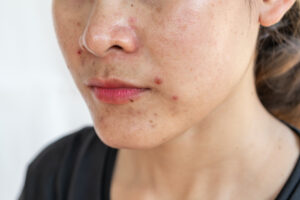





 So, please don’t despair if you have PCOS and a larger tummy than you would like because you can change it. You are not stuck with it for life.
We have many EBS members who have turned their PCOS around by following the EBS lifestyle. This is what Remi says about the program:
“After 3 years of sticking (mostly) to your food guide, I have healed my PCOS!
I just went in for hormone testing, and everything was completely normal for the first time in my life.”
We even have leading Endocrinologists who have benefited from the program, like Dr Mehreen Kahn:
“The lifestyle has helped me so much. I have PCOS and IBS/reflux. An added benefit for me is my cystic acne from PCOS just vanished. My 13-year-old acne is clearing up.
The bloat is gone, no more popping TUMS, and Gas-X and Omeprazole all the time. My tummy is flat for the first time since babies! I feel better at 40 (my birthday is tomorrow) than at 30. My hair is shinier, my nails are breaking less.”
So, are you ready to deal with PCOS belly fat?
So, please don’t despair if you have PCOS and a larger tummy than you would like because you can change it. You are not stuck with it for life.
We have many EBS members who have turned their PCOS around by following the EBS lifestyle. This is what Remi says about the program:
“After 3 years of sticking (mostly) to your food guide, I have healed my PCOS!
I just went in for hormone testing, and everything was completely normal for the first time in my life.”
We even have leading Endocrinologists who have benefited from the program, like Dr Mehreen Kahn:
“The lifestyle has helped me so much. I have PCOS and IBS/reflux. An added benefit for me is my cystic acne from PCOS just vanished. My 13-year-old acne is clearing up.
The bloat is gone, no more popping TUMS, and Gas-X and Omeprazole all the time. My tummy is flat for the first time since babies! I feel better at 40 (my birthday is tomorrow) than at 30. My hair is shinier, my nails are breaking less.”
So, are you ready to deal with PCOS belly fat?  Hello Everyone.
Do you want to lose weight and not feel hungry all the time?
Are you looking for low-calorie foods for weight loss?
This post is for you. I’m going to share 5 important things about branded low-calorie foods so you can understand exactly what they do to your body. Then, I’m going to show you some higher-calorie meals that are even better for weight loss so you can decide what to eat to lose weight.
Let’s start with the 5 important things you need to know about branded low-calorie foods.
Hello Everyone.
Do you want to lose weight and not feel hungry all the time?
Are you looking for low-calorie foods for weight loss?
This post is for you. I’m going to share 5 important things about branded low-calorie foods so you can understand exactly what they do to your body. Then, I’m going to show you some higher-calorie meals that are even better for weight loss so you can decide what to eat to lose weight.
Let’s start with the 5 important things you need to know about branded low-calorie foods.


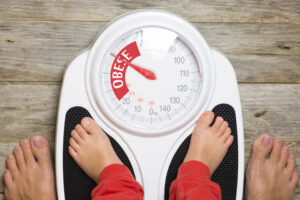



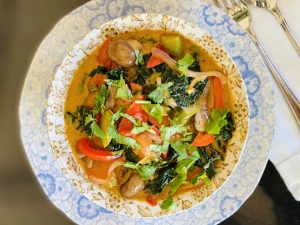
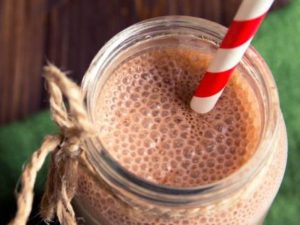
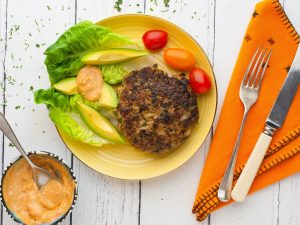
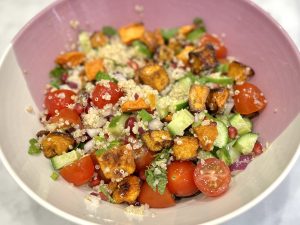
 Eating this way will fill you up and allow your body to function as it should. It will make your skin glow, your hair grow and shine, your eyes sparkle, and, without a doubt, make you feel full of joie de vivre!
Remember that when your gut is well-fed, your brain is too. Healthy gut bacteria regulate mood balance and our “happy” neurotransmitters like serotonin. Are there many diets out there that can say the same?
Eating this way will fill you up and allow your body to function as it should. It will make your skin glow, your hair grow and shine, your eyes sparkle, and, without a doubt, make you feel full of joie de vivre!
Remember that when your gut is well-fed, your brain is too. Healthy gut bacteria regulate mood balance and our “happy” neurotransmitters like serotonin. Are there many diets out there that can say the same?









 Hi Everyone,
Are you caring for your fascia?
Looking after your fascia is vital if you want to be fit and pain-free. If you are unfamiliar with fascia, let alone why fascia stretching is important, this post is for you.
Hi Everyone,
Are you caring for your fascia?
Looking after your fascia is vital if you want to be fit and pain-free. If you are unfamiliar with fascia, let alone why fascia stretching is important, this post is for you.





 So, now you know the fuss about stretching your fascia.
There are over 170 movement videos on the EBS platform, including 16+ stretching videos. All are excellent for your fascia.
Some of them are accompanied by full-body meditations, which are incredibly nourishing for your mind, body, and soul.
So, now you know the fuss about stretching your fascia.
There are over 170 movement videos on the EBS platform, including 16+ stretching videos. All are excellent for your fascia.
Some of them are accompanied by full-body meditations, which are incredibly nourishing for your mind, body, and soul.
 Believe me, you will feel amazing following an anti-inflammatory lifestyle.
But don’t just take it from me. This is what
Believe me, you will feel amazing following an anti-inflammatory lifestyle.
But don’t just take it from me. This is what  Are you always hungry and never feel full? Feeling constantly hungry can be confusing and frustrating, especially if your doctor is advising exercise and weight loss.
Maybe you’re exercising a lot and not losing weight. Maybe you’re eating low calorie foods that never fill you up. Or maybe you graze all day and just want to know why your appetite is never satisfied.
In this post, we will explore a huge factor contributing to excessive hunger, and I will tell you how to fix it!
Are you always hungry and never feel full? Feeling constantly hungry can be confusing and frustrating, especially if your doctor is advising exercise and weight loss.
Maybe you’re exercising a lot and not losing weight. Maybe you’re eating low calorie foods that never fill you up. Or maybe you graze all day and just want to know why your appetite is never satisfied.
In this post, we will explore a huge factor contributing to excessive hunger, and I will tell you how to fix it!










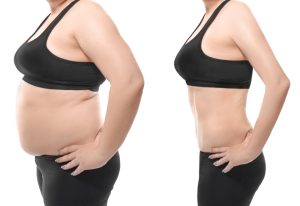 You will be amazed at the transformation!
Take a look at the program and check
You will be amazed at the transformation!
Take a look at the program and check  How can I flatten my tummy?
I get asked this question a lot, and I’m pleased to say that my answer never fails!
Every week, I receive testimonials from members saying they cannot believe their
How can I flatten my tummy?
I get asked this question a lot, and I’m pleased to say that my answer never fails!
Every week, I receive testimonials from members saying they cannot believe their 

 If you do this you cannot go wrong in your quest to reduce belly fat and flatten your tummy.
These powerful movements are easy to follow but do not have you breaking into hot sweats. They are not jarring to your joints and bones so there is no risk of creating future joint issues. Check out the ones with meditations. They are so nourishing to the mind, body, and soul.
If you do this you cannot go wrong in your quest to reduce belly fat and flatten your tummy.
These powerful movements are easy to follow but do not have you breaking into hot sweats. They are not jarring to your joints and bones so there is no risk of creating future joint issues. Check out the ones with meditations. They are so nourishing to the mind, body, and soul.


 You can age well and have a flat tummy. And it’s never too late to start working toward this. Weight gain can be safely turned around with the right foods, movement, and relaxation. I do all of the above and am in the best shape ever. I don’t do anything extra!
But don’t just take my word for it. Check out our
You can age well and have a flat tummy. And it’s never too late to start working toward this. Weight gain can be safely turned around with the right foods, movement, and relaxation. I do all of the above and am in the best shape ever. I don’t do anything extra!
But don’t just take my word for it. Check out our  Do you want results like these? Get started on your flat belly TODAY! Take a look at the program and check
  Yalda Alaoui is a qualified Naturopathic Nutritionist (with a foundation in Biomedicine) who studied with the
  Hello Everyone,
I am often asked about the signs of inflammation and how to tell if it’s a problem. But honestly, chronic inflammation will express itself differently for each of us! This is because we have a unique genetic makeup that influences our health.
However, there are some common signs of inflammation to look out for, some of which will surprise you.
Hello Everyone,
I am often asked about the signs of inflammation and how to tell if it’s a problem. But honestly, chronic inflammation will express itself differently for each of us! This is because we have a unique genetic makeup that influences our health.
However, there are some common signs of inflammation to look out for, some of which will surprise you.