Hi Everyone! The impact of IBS (Irritable Bowel Syndrome) on your life can be all-encompassing. If you suffer from IBS, we have no doubt that you have tried everything, feel desperate, and rule your life based on your symptoms. This article could be a life changer for anyone with IBS.
What are the symptoms of IBS?
How can you live a normal life with IBS?
What different factors cause IBS?
What causes IBS?
Does anything get rid of IBS?
How do I get rid of IBS permanently?
IBS success stories on the Eat Burn Sleep Program
What are the symptoms of IBS?
Irritable bowel syndrome (IBS) can be characterized by stomach cramps, diarrhea (IBS-D), constipation (IBS-C), bloating, and gas. These symptoms might come and go, and you may alternate between constipation and diarrhea (IBS-A), or mixed habits can be called IBS-M. If you have had any of these symptoms over a period of 3 months or more, then it is most likely irritable bowel syndrome.
As always, we advise that you check your symptoms out with your healthcare provider because there are so many conditions that are associated with IBS. For instance, there could be other non-communicable inflammatory conditions present, like Crohn’s or GERD.
What is important to know is that inflammation conditions can be treated successfully and not despair. It is why the Eat Burn Sleep platform exists.
How can you live a normal life with IBS?
Contemplating a normal life when you are living with IBS can be daunting, especially when you are experiencing other symptoms as a result of having the condition, like fatigue. Anemia can accompany irritable bowel syndrome, which causes fatigue (as well as being awake in the night with symptoms).
You could suffer from body aches from straining, or while accommodating the pain in your body, you are twisting it unnaturally. Stabbing gas pains, bloating, painful constipation, heartburn, reflux…and the list goes on, not to mention the emotional and psychological impact that IBS can have on you.
Having IBS can affect your everyday living in such an impactful way, like work and school life, since you always have to anticipate if there is a bathroom close by wherever you go, with full-time access at any time of the day or night. It could be affecting your relationships, whether they are professional or personal.
The preoccupation of having IBS can make your social and work situations extremely difficult to navigate. Attendance is always affected because you are most likely to take days off so that you can stay home and feel secure – or just because nothing else could possibly be contemplated.
The emotional impact that IBS has on you could range from mild anxiety to loss of confidence and anger. As we hear more often than not, many IBS sufferers felt like they needed counseling prior to joining our program because of the psychological effects of experiencing IBS without sufficient help.
The wonderful news is that you can live a normal life with IBS because the condition is a non-communicable disease that is inflammatory, and by implementing an anti-inflammatory lifestyle, the condition is managed.
What different factors cause irritable bowel syndrome?
IBS can be caused by many different factors, including:
Poor gut health
Processed foods
Food intolerances
Food allergies
Poor eating patterns: missing meals, rushing meals, not taking the time to chew and enjoy good food
Inappropriate and popular diet plans
Physical stress
Emotional stress
Poor sleep hygiene
Caffeine consumption
Nicotine
Alcohol consumption
Carbonated drinks
Medication
Gastrointestinal secretions
Digestive muscle contractions
Environmental changes: traveling, different areas/countries, different foods, drinks, and situations
Jet lag
Sporadic exercise / no exercise
Electrolyte imbalances
Systemic inflammation
You could spend a lifetime trying to diagnose what is the specific cause of your IBS flare-ups if you have ruled out anything serious.
What causes IBS?
There isn’t really a single definable cause of your IBS, but generally, the main cause of IBS is linked to gut dysbiosis and poor microbiome diversity. Emotional stress can also play an important part in gut health as 60% of neurotransmitters are produced in the gut, and there is a strong brain-gut connection link.
Is there a solution for IBS?
If you suffer from IBS, there is a strong likelihood that you have tried multiple methods, including medical investigations, medications, and food abstinence plans.
Navigating the amount of information about irritable bowel syndrome and trying to reduce its symptoms of constipation, diarrhea, bloating, gas, and stomach cramps can be overwhelming. It can leave you feeling exhausted and emotionally drained, especially if you think that you have made a breakthrough with eliminating certain food and you don’t have symptoms for a few days, and then lo and behold, they come back again, tenfold.
The truth in many cases is that there are multiple factors going on, and it is too complex to pinpoint. This we know. What we also know is that there is a simple solution to reducing/stopping IBS altogether.
How do I get rid of IBS permanently?
Eat Burn Sleep has supported thousands of sufferers like you who have had IBS, constipation, diarrhea, stomach cramps, bloating, and gas, as well as other digestive and inflammatory conditions.
The science-backed, evidence-based program was designed to support you with a non-drastic, long-term solution to your inflammation condition, a solution that will not leave you feeling void of the pleasure of food and that will also give you your life back.
The program was borne from the founder – Yalda Alaoui’s own personal survival from two auto-immune diseases. It is this anti-inflammatory lifestyle that put her conditions into remission and saved her. You can read more about her journey HERE.
Devised after a decade of research, the dietary protocol and lifestyle changes for people like you who suffer from IBS will reduce flares, regulate your intestinal barrier and inflammation, help heal soft tissues, restore balance in your digestive tract, improve gut bacteria, promote regular bowel movement and ultimately, more control over your life and your body.
IBS success stories on the Eat Burn Sleep program
Sticking with the plan, many members have experienced such positive changes in very little time, along with side effects that they were not expecting, like shinier hair, weight loss, stronger nails, an energy that they haven’t had in a long time, and so, a happier disposition. As much as sticking to a regime sounds like a laborious job, our plan reminds you that there will be days that you can’t manage to do 100%.
What you will feel, after some time, is that the plan will become second nature, and when you are in situations where you won’t have access to the foods that you are getting used to, like when you visit a restaurant, you will know what to order for damage limitation.
This is a lifestyle program that we know that you will enjoy being on for long-term health and happiness. You won’t feel deprived, and in fact, you will probably feel quite the opposite and more fulfilled and nourished. This anti-inflammatory diet has been carefully planned with not only nutrition and healing in mind but also taste, color, and variety.
We eat foods like Almond Chia Pots, Slow Cooker Indian Vegetable Curry, Paleo Pizza Muffins, Egg Muffins: Sweet Potatoes, Carrots & Chives, & Prawn & Quail Egg Salad.
In fact, it is wonderful to hear that many members are appreciating the reminder to eat and enjoy delicious food by focusing on alleviating IBS and healing their gut.
The testimonials signifying the physical, psychological, and emotional effects of IBS being relieved, and recommendations from doctors confirm the positive outcome.
Hello Everyone. I hope that you are well. This post relates to why Eat Burn Sleep exists.
It was COVID-19 that shed more light on what I have been talking about for a long time.
Scientists quickly recognized which individuals would be vulnerable to catching COVID-19 during the pandemic.
The warning went out to people with pre-existing conditions like autoimmune diseases, diabetes, weight issues/obesity, heart and lung disease, and older age groups most likely to catch COVID-19.
Until the pattern started to deviate.
Why were supposedly healthy young people without any conditions suffering badly and dying from the contraction of COVID-19? Read on to find out.
What Factors Increase the Risk of Getting Viruses?
Many scientific studies were undertaken to see the common link between bodies with serious illness (including ‘healthy’ young people) and COVID-19.Finally! The scientists found that the factor in common that worsened the prognosis and increased complications of COVID-19 was underlying systemic inflammation.This makes sense because systemic inflammation is linked to obesity and most non-communicable diseases. People with underlying conditions have chronic (systemic) inflammation running through them.
How Do You Know If You Have Inflammation?
It’s imperative to know that inflammation is a dysregulation of the immune system.
We need adequate inflammation to respond to pathogens, viruses, and stimuli since it has always been a fundamental response to threats.
Read more about how the immune system works in my article: How to Boost Your Immunity to Fight Viruses, How to Recover from Virus Infections & Reduce Asthma With an Anti-inflammatory Diet.
Suppose the immune system doesn’t succeed in dealing with the pathogen/virus. In that case, it releases a ‘cytokine storm,’ a rapid release of different pro-inflammatory cytokines (protein-based cell signaling molecules). It is this inflammatory storm that many very sick people are vulnerable to, rather than the virus itself.
The issue begins when inflammation is consistently running and destroying healthy tissue.
Now, the ancients characterized inflammation based on visual observation:
Redness (rubor)
Swelling (tumor)
Heat (calor; applicable to body extremities)
Pain (dolor)
Loss of function (function laesa)
Certainly, systemic inflammation (chronic inflammation) presents itself to us with apparent signs and conditions like arthritis, colitis, lupus, alopecia, diabetes, obesity, and thyroid issues. Still, inflammation is much more complex than conditions you can ‘observe.’
From the acute to the chronic to the debilitating destruction – and oftentimes, hidden.
Inflammation can run through our vessels, growing into something more significant, without presenting signs and symptoms.
This links the otherwise ‘healthy’ people who suffered greatly and died during COVID-19.
The chronic inflammation was not showing visibly (and when it would, it would depend on many factors).
If there was systemic inflammation rising silently through the body, it made the immune system unable to produce an adequate attack to defend, thus making an otherwise ‘healthy’ person more susceptible to a virus like COVID-19.
There are, of course, genetic predispositions to inflammatory diseases, too, that come into play.
Indeed, this is another reason to assess your lifestyle: lessening the likelihood of activating genetics through eating, living, breathing, moving, resting, stress-busting, sleeping, and thinking in an anti-inflammatory way.You don’t have to ‘feel’ unwell to consider reducing your inflammation.
Moreover, since chronic inflammation is so prevalent in our lives for an array of reasons, it is wise to combat inflammation before it presents itself into something bigger, sooner or later.
It is wise to prepare and fortify our body’s response to threats.
So, as you can imagine, ‘inflammation’ is now characterized as: ‘The reaction to injury of the living microcirculation and related tissues’ rather than the visual observation of olden times.
Some signs of inflammation may surprise you!
We can have chronic inflammation without knowing it. A silent disease, as such.
Is There a Test to Check for Inflammation?
Unfortunately, no highly effective tests assess whether chronic inflammation is running in your body.
There are several tests that the medical profession uses to measure inflammation, with cause to C-reactive protein (CRP), ferritin and fibrinogen, and Erythrocyte sedimentation rate (ESR). Still, they are generally not used for health assessments and are not always accurate.
They cannot detect acute inflammation over chronic inflammation (acute inflammation would be present if you have a slight cold, for instance). There’s a bit more to it than that.
Looking for signs of ‘silent’ inflammation without cause (no symptoms) is less helpful than having screening for diseases such as IBD, obesity, autoimmune diseases, diabetes, etc.Taking measures to keep inflammation at bay regularly, which you can control, is more helpful in your health journey for longevity.
I would advise discussing this with your health provider.
How Do You Get Rid of Chronic Inflammation in the Body?
Autoimmune and chronic inflammatory diseases are dramatically rising, which are all associated with dysregulated immune responses.
This was revealed to me during my studies and trials in my quest to ‘cure’ myself or at least put my autoimmune diseases into remission.
Inflammatory markers kept coming up in my tests (which were ‘treated’ with anti-inflammatory corticosteroids. Initially, I was so pleased with the results, but the relief was temporary. I soon found medication was just a mask, like a plaster covering the symptoms but not treating the cause).
So, while conducting my own ‘healing the source’ strategy, I questioned why the number of people with inflammatory diseases was rising.
Is it all down to genetics, environmental agents, or just living longer, so more chances of developing diseases as we age?
Were the causes of inflammation out of our control?
Well, incredibly, I found out that we do have control somewhat.
It all boils down to lifestyle and our unique microbiota.
So, to answer the question, yes – you can reduce inflammation significantly and put your condition into remission. Hence Eat Burn Sleep was born in 2017.
Eat Burn Sleep’s protocol is what I searched for and needed when going through one of the most challenging times in my life (to put it lightly!).You can reduce chronic inflammation and strengthen your immunity by improving microbiota in the gut.
Why Is Gut Microbiota Important?
This is a vast, fascinating topic, so I will summarise it for this article’s purpose.
Your gastrointestinal tract harbors a complex colony of trillions of different microbes and thousands of species of bacteria, fungi, viruses, and parasites.
Suppose you can imagine this vast, industrial network of cell signaling and pathways with proteins, metabolites, peptides, etc., in the layers of the GI tract. In that case, you get a rough idea of the gut microbiome.
Most microbiota are symbiotic (microbiota and the body benefit), and some are pathogenic (disease-promoting).
These viruses and microbiota all co-exist quite happily in a healthy person.
A balanced microbiota stimulates the immune system and synthesizes amino acids and vitamins. It also assists in breaking down toxic compounds, providing protection from organisms that enter the body through contaminated food and drink.
Colonization is unique to us since it begins before birth, dynamically from our mother, whose first exposure was from her mother, and so on.
This links to an intriguing report about the existence of ancient microbes in our microbiome by Dr. Rook, University College, London. This was recently touched on in an article by Dr. Ravella, Columbia University Medical Center, for the Wall Street Journal.
These ancient microbes prevented the body from attacking its tissues and resembled that of the natural environment.
In the past, we lived under timber and close to dung and thatch. Nowadays, our homes are made with manufactured products, so we miss that connection to the past and do not have the microbiota to deal with these clean environments.
Unless we live on a farm in a natural environment or with pets! (Which makes me think of the powers of earthing and maximizing our exposure to nature and our connection to early antioxidants).
Exposure is key to protection!
So, the first exposure is entirely down to our mother’s/DNA species of microbiota but also depends on how we are delivered into the world. Vaginally delivered (and position), we have microbiota resembling our mother’s vagina microbiota. C-sections would harbor microbes from a mother’s skin.
The microbiota we were born with soon alters as we adapt to our surroundings. Like breast milk or formula, adult diet, and so on, corresponding to the changes. To ease digestion of an adult diet and allow for vitamin biosynthesis, for instance.
What Can Alter Gut Health?
To cultivate a diverse, anti-inflammatory microbiome, exposure to germs in the first few years of life is also necessary.
Exposure in infancy protects a child from developing weakened immune systems later in life that are sensitive to pollen, benign germs, and dust.
Plus, there are more risks of being susceptible to chronic inflammatory conditions and autoimmune diseases later in life without the correct quantity and quality of germs in childhood (Dr. Ravella).
Some studies (Fierer et al.) show that human fingertips can transfer microbe communities via keyboards, for instance. There are so many factors that can affect the microbiome. It is so fascinating!
So, everything we are exposed to as we grow, along with our diets, habits, and environment, shapes our microbiota communities. This community can change the body into a healthy state or one at greater risk of disease.
Our composition of microbiota has a crucial influence on our health.
Indeed, our microbiota is an intrinsic regulator of immune responses.
Gut microbiota plays a vital role in the development of immune homeostasis, including the development of gut-associated lymphoid tissues.
70% of immune cells (Gut-associated Lymphoid Tissue) reside in the gut. GALT is an essential component in protecting the body from pathogens.
Gut microbiota and gut-associated lymphoid tissue are essential players in the pathogenesis of various diseases.
An unbalanced microbiota results in dysbiosis with (but not limited to):
An unhealthy diet, including calorie-restrictive and extreme diets
A compromised immune system (you can be born with or acquire a weakened immune system)
Overstimulated bowel functions (malnutrition)
Older age (influenced by personal factors)
Lifestyle
Obesity
Medication (often to ‘treat’ disease causes more disease)
Antibiotics (wipe out a gut microbiota richness and diversity within four days)
Recurring bouts of acute inflammation (pneumonia, colds, flu)
Auto-inflammatory diseases
Stress
Illness (a vicious cycle)
Environment (toxins, cleaning products, plastics, solvents, pesticides, cigarette smoke, mercury, and so on)
Sleep deprivation
Certain exercises
Isolation (not socializing significantly alters gut microbiota).
Dysbiosis (when an altered interaction between immune cells and microbiota occurs) makes the body susceptible to disease.
Like Inflammatory Bowel Disease, Irritable Bowel Syndrome, Celiac Disease, cancer, obesity, cardiovascular, central nervous system disorders, and diabetes.
Does Being Healthy Make Your Immune System Stronger?
You usually have less chance of catching viruses if your immunity is good and strengthened and less likelihood of viruses taking a stronghold if they are caught.
Your body will have adequate inflammation to cope with the pathogens but less so if your immunity is not in tiptop form.
One must always be cautious with a bit of information, dashing out and buying prebiotic supplements or embarking on a restrictive diet when chronic inflammation is present – or not!
Doing so may exacerbate the symptoms or initiate an inflammatory response. It may reduce beneficial microbiota and increase pathogenic microbiota. Your immune and endocrine systems may be affected.
I recommend taking a 360-degree anti-inflammatory approach when it comes to reducing inflammation.
Your body needs to be understood to be taken care of. It will aid longevity if approached from a ‘health education and nourishing angle and learning what is suitable for your body.
Eating, living, breathing, moving, resting, stress-busting, sleeping, and thinking in an anti-inflammatory way will positively influence the composition and operations of your microbiota and the innate and adaptive immune system. This will lower hidden inflammation in the long term.
Plus, when you are ‘gut’ healthier, you are more energized, productive, and happier (brain/gut connection, ‘feel good’ neurotransmitter production).
When you are happier, you are more likely to socialize.
When you socialize, you are improving your immunity further.
Improving your immunity increases your chances of having more autonomy over your health.
I wish you a very healthy and happy day!
Hello Everyone,
It can be challenging to flatten your tummy when you have hormonal and inflammatory conditions like Polycystic Ovary Syndrome (PCOS).
In this article, I’m going to explain why it’s hard to lose belly fat when you have PCOS and share some of my best tips for dealing with this issue.
What Is PCOS?
Many women have polycystic ovaries without having PCOS, but every woman with PCOS has polycystic ovaries. Let me explain… Each month, in the first half of the menstrual cycle, the ovaries develop follicles that contain eggs. One of these eggs will be released at ovulation and the remaining follicles will degenerate.
However, some women carry undeveloped follicles on the ovaries that look like bunches of grapes – these are polycystic ovaries. It is possible to have polycystic ovaries and not experience any symptoms but with PCOS, these cysts lead to hormonal imbalances and symptoms such as:
Excessive hair growth on the face, back, and chest (hirsutism)
Thinning hair on the head
Tests may reveal elevated levels of luteinizing hormone and testosterone and low progesterone. There may also be problems with estrogen metabolism.
If not treated, PCOS can increase the risk of other conditions like obesity, Metabolic Syndrome, insulin resistance, Type 2 diabetes, depression, infertility, and an accumulation of fatty tissue, particularly around the tummy area.
How to Deal With PCOS Belly Fat
PCOS belly fat accumulates as a result of insulin resistance and hormonal imbalance. It can be hard to shift, but it is worth tackling because this is the sort of fat that produces inflammatory chemicals which can make your PCOS symptoms even worse.
I recommend you follow a 4-step approach to deal with PCOS belly fat;
Support your gut microbiome.
Do the right kind of exercise and movement.
Get good quality sleep.
Learn how to manage stress.
Let’s look at each of these steps in turn.
Encourage Good Bacteria to Grow in Your Tummy
Many studies show increased levels of harmful bacteria and differences in the composition of the gut microbiome in women with PCOS. These shifts in microbial balance can be related to hormone metabolism and inflammation. The wrong types of bacteria can promote inflammation and “recycle” estrogen, leading to further estrogen imbalance.
You can support the healthy balance and diversity of your gut microbiome by eating gut-healthy food like this wonderful Flax & Chia Light Banana Bread or Slow-cooker Indian Vegetable Curry.
The Eat Burn Sleep food lists and meal plans are designed to encourage the growth of beneficial gut bacteria which in turn help with hormone metabolism and lowering inflammation. We have hundreds of recipes on the platform, all designed with your gut bugs in mind!
Move Every Day in The Right Way
Core strength exercises that improve your abdominal tone are great for dealing with belly fat. They really work! You can read more about these sorts of exercises in Best Exercises to Lose Belly Fat Quickly.
Daily movement and exercise are important when you have PCOS, but it’s important to steer clear of workout plans that are too demanding and stressful. I see people doing intense workouts and not eating properly before or afterward, and this is a surefire way to worsen PCOS symptoms.
Workouts that are too intense increase your stress hormones and inflammation. They have the opposite effect of what you are trying to achieve.
The EBS membership includes access to our library of hundreds of movement videos that build muscle strength and help lower inflammation. I do these exercises myself daily, and I guarantee you will see the difference in your health.
Each routine takes half an hour or less – combine them with the food plan and you will see amazing changes, just like EBS Member Leila:
“I am on my 4th week of the 6-week reset, and I have PCOS.Already I’ve seen amazing results and am feeling much better and lighter in my body (and mind)!Really impressed with the quality of your work and what you’ve put into this amazing platform.”
Get Good Quality Sleep
Sleep significantly affects your hormonal health and shouldn’t be underestimated. Do you sleep easily for 7-9 hours every night? If not, this is a key area to focus on if you want to be free from PCOS belly fat.
Lack of sleep affects your appetite and satiety hormones. When they are out of rhythm, you are likely to crave sugary foods and simple carbohydrates – things like sodas, pastries, candy, and other junk foods. Eating these sorts of foods when you have PCOS-related insulin resistance leads to more belly fat and more inflammation. We explore this further in What Happens If You Don’t Sleep Enough?
For insomniacs, shift workers, and people who have had a lifetime of waking up in the middle of the night we have Expert Advice for Insomnia as part of the EBS membership. It’s a game-changer!
Reduce Stress
Stress plays a massive role in hormonal imbalance and inflammation. Stress hormones alter the balance of your gut bacteria, increase belly fat (high levels of cortisol lead to more fat storage around the belly area), and affect mental well-being. Chronic stress can lead to feelings of anxiety and depression, which can make it harder to cope with PCOS.
So, please don’t despair if you have PCOS and a larger tummy than you would like because you can change it. You are not stuck with it for life.
We have many EBS members who have turned their PCOS around by following the EBS lifestyle. This is what Remi says about the program:
“After 3 years of sticking (mostly) to your food guide, I have healed my PCOS!I just went in for hormone testing, and everything was completely normal for the first time in my life.”
We even have leading Endocrinologists who have benefited from the program, like Dr Mehreen Kahn:
“The lifestyle has helped me so much. I have PCOS and IBS/reflux. An added benefit for me is my cystic acne from PCOS just vanished. My 13-year-old acne is clearing up.The bloat is gone, no more popping TUMS, and Gas-X and Omeprazole all the time. My tummy is flat for the first time since babies! I feel better at 40 (my birthday is tomorrow) than at 30. My hair is shinier, my nails are breaking less.”
So, are you ready to deal with PCOS belly fat? Check out our membership options now.
Yours, in health,
Yalda x
Yalda Alaoui is a qualified Naturopathic Nutritionist (with a foundation in Biomedicine) who studied with the College of Naturopathic Medicine in London. She has spent over a decade performing groundbreaking research in chronic inflammation and gut health.
Hi Everyone,
Are you caring for your fascia?
Looking after your fascia is vital if you want to be fit and pain-free. If you are unfamiliar with fascia, let alone why fascia stretching is important, this post is for you.
Fascia is this amazingly dense, clear, 3-dimensional structure that wraps around your joints, ligaments, muscles, tendons, and internal organs. It is made of collagen and elastin and carries more nerve endings than any other tissue.
Every part of your body has layers of interlacing fascia holding everything in place. It’s like an internal bodysuit holding you together! Without it, you would collapse on the floor.
On a basic level, fascia is a support structure allowing easy movement between your body’s muscular, skeletal, and visceral components. It enables proprioception, your body’s sixth sense of action, coordination, and self-movement.
On a deeper level, it transmits thoughts and feelings through millions of nerve pathways. Essentially, fascia allows the conduction of consciousness throughout your body. If you think it, you will feel it in your fascia.
When your fascia gets tight due to immobility, stress, inflammation, or poor nutrition, it causes pain and tension.
Repetitive movements that strain one part of your body
The wrong types of exercise
Surgery
Injuries and old injuries that haven’t healed correctly
Working or living in cold environments
Sedentary lifestyles – fascia requires movement to work efficiently
Physical, mental, and emotional stress
Not breathing correctly
Infections
Poor posture
Physical misalignments and imbalances (we often don’t know we have them!)
Because of the way fascia stretches and contracts, it’s easy to mistake fascia pain for something else. For example, hip pain may be due to fascia tension in your hamstrings. Or your painful shoulder is sore because your neck fascia is tight.
This is why regular, consistent fascia stretching is so important for your health and well-being.
Symptoms of Tight Fascia
Symptoms of tight fascia include:
A tender knot
A deep, aching pain
Tender muscles
Muscle weakness
Circulatory Issues
Swelling
Reduced mobility
Compression
Headaches
Poor sleep quality
Fatigue
Depression
The good news is that fascia is self-healing and can reverse any pain and damage with the right stretches.
Why is Fascia Stretching Important?
Healthy fascia relies on regular movement, stretching, and good hydration. If you are inactive, don’t stretch enough, or don’t drink enough water, your fascia will become dry, tight, and painful.
Any classic stretch can be turned into a fascial stretch, but they are not the same thing.
An effective fascia stretch involves the right dynamic movement and the correct breathing. It should feel good, but it shouldn’t be painful. Not too tight, not too loose, and for the right amount of time – but you will feel your point of sensation.
There is an art to movement, which I teach on the Eat Burn Sleep platform. Fascia loves multi-directional movement so I have created a whole range of videos to guide you through fascia stretching.
Stretching your fascia correctly reduces inflammation, strengthens muscles, and improves body composition. It is good for digestion, the immune system, and mental wellness. These movements will improve your day-to-day activities and help you work, rest, and play in a pain-free way.
To ensure that you keep your fascia in good health:
Live an anti-inflammatory lifestyle. This is what Eat Burn Sleep is all about. We focus on gut health, optimum nutrition, daily movement, and restorative sleep.
Be active and move regularly. Our bodies need motion to maintain healthy circulation and metabolism. If you have a sedentary job, be aware that it takes less than 60 minutes to cause tight fascia in your hamstrings. You must stretch out and move for at least two minutes every hour. Set an alarm if you need reminding. It’s that important.
Stretch regularly to reduce the risk of inflammation, circulatory issues, and pain in your joints.
Adjust your posture. Be mindful of how you are sitting and standing. Slouching or compensating for a sore body part all play havoc with your fascia.
What Does Fascia Stretching Do?
Reduces inflammation
Increases mobility
Releases tension, relaxes and rejuvenates your whole body
Helps you stay mobile as you age.
Increases blood and lymph flow
Supports immune health
Allows for a better range of flexibility and movement
Improves body alignment
Reduces scar tissue
Reduces your risk of injury when exercising
It is so important to stretch and release tension throughout the day so that it doesn’t build up and cause you pain.
How to ‘Feel’ Your Fascia
To feel the connectedness of your fascia, try this exercise:
Sit on a mat, legs in front of you, and relax with your spine elongated. Make sure that you are warm.
Roll your head down slowly, leaning forward, and guide your head to your knees. Can you feel the stretch?
Now point and flex the toes. Feel how that stretch changes. Only you will know how that fascia stretch feels because we all are unique, and our connective tissues are personal to us all.
You should feel the benefits of the proper movement in your brain, too! It’s incredible.So, now you know the fuss about stretching your fascia.
There are over 170 movement videos on the EBS platform, including 16+ stretching videos. All are excellent for your fascia.
Some of them are accompanied by full-body meditations, which are incredibly nourishing for your mind, body, and soul.
Believe me, you will feel amazing following an anti-inflammatory lifestyle.
But don’t just take it from me. This is what EBS Member Natasa has to say about the program:
“I have lost almost 10kg since starting EBS.
I’ve had knee surgery, and my knee pain has really reduced, and my post-op recovery is going very well. I am not taking anything for pain relief.
Everywhere I go, I just talk about your platform. Thank you so much! I absolutely love this lifestyle.”
And, you can check out hundreds more reviews on our Testimonials page.
Hello Everyone,
I am often asked about the signs of inflammation and how to tell if it’s a problem. But honestly, chronic inflammation will express itself differently for each of us! This is because we have a unique genetic makeup that influences our health.
However, there are some common signs of inflammation to look out for, some of which will surprise you.
This is not an exhaustive list, but I hope it gives you an idea of how many different ways chronic inflammation can appear in your body.
Should I Be Tested For Inflammation?
In some cases, your doctor or healthcare practitioner may run blood or stool tests to check for inflammatory markers. The most commonly tested marker in your blood is CRP – C-Reactive protein. Elevated levels of CRP indicate acute inflammation in your system.
However, CRP levels do not give the whole picture and you can still have chronic inflammation even if your levels are within the normal range.
What Causes Chronic Inflammation?
It’s easy to get attached to the name of a disease and what medicines you can take to deal with it rather than thinking about the underlying cause. So many people get rid of their health issues on the Eat Burn Sleep program because it deals with the underlying cause.
When we talk about chronic inflammation we are looking at two main underlying causes: diet and lifestyle.
Yes, genetics play a role too. But even if you carry a genetic predisposition for an inflammatory condition, it is your diet and lifestyle that switches on those genes.
Diet, Lifestyle, and Chronic Inflammation
Diet is a major underlying cause of chronic inflammation because of the number of Ultra Processed Foods and Drinks (UPFDs) available now. These foods and drinks are high in refined sugars, industrially processed oils, artificial sweeteners, additives, and emulsifiers. They lack fiber, vitamins, minerals, and antioxidants.
They aren’t real food; they are the products of a chemistry lab! And we as humans are not designed to thrive on such things.
Lifestyle is the other major underlying cause. We have become reliant on smartphones and screens that disrupt our sleep. Millions of people are dealing with high levels of stress. And we move our bodies far less than we need to.
A sedentary lifestyle is strongly linked with chronic inflammation and is known to increase your risk of developing serious conditions like cardiovascular disease and diabetes. The same goes for stress too. Ongoing stress disturbs gut health, immunity, brain function, and cellular repair, opening the door to weight gain and chronic inflammation.
Eat Burn Sleep – The Power of an Anti-Inflammatory Lifestyle
Living a low-inflammation lifestyle protects you from disease and helps you recover from illness and surgery more efficiently.
The Eat Burn Sleep approach is more than just an anti-inflammatory diet. It is a complete 360-degree platform of inflammation-reducing tools.
The program includes:
Food plans
Recipes
Guided meditations
Movement videos
Health masterclasses, and more.
It is a program that works. We have countless testimonials from EBS members who have had an inflammatory condition, followed the program, and then returned to see their doctor who is astounded at the results.
Take Natasa, who saw incredible results after only 3 weeks on the program:
“Since joining the platform 3 weeks ago, I have lost 3kg, and my bloating is gone.
I have bilateral patellofemoral osteoarthritis (severe pain in both knees) and the pain is now much less. I feel like I can finally start doing movement videos that previously I couldn’t do because of my knee pain. Also, all your recipes are so tasty.
Thank you so much.”
I am passionate about helping people live healthier, happier lives, so you can imagine how it feels when testimonials like this come in!
How does the program work?
I always suggest that people start with the 6-week Reset. This is designed to optimize your gut microbiota and liver function. It takes just 42 days to feel incredible before you carry your anti-inflammatory lifestyle forward with all the tools that you need.
The program is all about moderation and enjoying life – not deprivation and restriction. It’s about damage limitation, not perfection! With the health education Eat Burn Sleep provides, people make better choices for themselves and their families – promoting healthier lives for all ages.
Want to find out more? Enjoy a sneak peek into the program and find out more about our membership options now.
You might also like:How Does Sleep Help With Inflammation?Heart Health: Do You Have a Heart-healthy Lifestyle?Recovering From CancerWith love,Yalda x
Yalda Alaoui is a qualified Naturopathic Nutritionist (with a foundation in Biomedicine) who studied with the College of Naturopathic Medicine in London. She has spent over a decade performing groundbreaking research in chronic inflammation and gut health.
Hello Everyone! It’s hard to believe that what you eat today and tomorrow may have you waking up feeling sad, anxious, or moody the next day.
The last thing you may be thinking about if you are prone to depression and anxiety is what you are eating. You could be reaching out for unhealthy options, overloaded with caffeine and sugar, and not sleeping well, too.
Getting through the day could feel like wading through mud, and you are doing whatever you can to get through it!This post is about depression, anxiety, and how gut health is so powerful that it can help you tremendously. Small steps will help. Please do share with anyone who is suffering. It could be the lifeline they need.
Treating Depression Safely and Naturally
Depression is the second most common cause of disease-induced disability. An estimated 280 million individuals suffer from depression, and many factors contribute to depression.
Some factors you cannot control, but two major factors that you can control are diet and lifestyle. It is safe, natural, and starts working quickly.
Studies show more and more that depression and anxiety can be treated naturally by changing what you eat and how much physical activity you do. Before we go any further, I don’t mean hitting the gym seven times a week! Far from it, actually.
As I have mentioned before in Come Off Antidepressants, medical students are now being taught to look at diet and lifestyle interventions for patients with symptoms of depression and anxiety as a first course of action.
In most cases, with a diet and lifestyle intervention for depression and anxiety, the symptoms go away.
I continually come across studies that back this up, but the proof to me, through studying the link between gut and mental health, is the number of Eat Burn Sleep members who have told me that their depression and anxiety have lifted. I know how I feel myself and how I felt before I studied gut health and changed what I ate and did each day.
Lifestyle Factors and Depression
Multiple lifestyle factors and depressed mood were studied by Sarris J., Thomson R., Hargraves R., et al. (2020). A cross-sectional analysis of 84,860 participants with major depressive disorder and those without depression showed that a healthy diet and optimal sleep duration were significantly associated with less frequency of depression.
Aguilar-Latorre, Oliván-Blázquez, Pérez Algorta, et al. (2023) conclude that health education and lifestyle modifications significantly reduce depression. The study included six weeks of health education on diet and lifestyle changes.*
The key is to continue the health education and the diet and lifestyle changes. Health education will teach behaviors that become automated. You start living an anti-inflammatory way without even thinking!
How Does Gut Health Reduce Depression?
The gut microbiota plays critical roles in the immune system (70% of our immune system resides in our guts; GALT – gut-associated lymphoid tissue). It also has a role in the central nervous (brain and spinal cord) and endocrine systems (glands that make hormones, the body’s chemical messengers).
Behavior, mood, and response to stress can all be affected by gut bacteria because gut health affects the immune system, nervous system, and endocrine system.
These, in turn, all affect each other.
There’s more about the gut-brain axis andhow the gut influences the brain and the brain influences the gut in this article: Depression Diet & Lifestyle Intervention.
Have you read:
You may enjoy listening to the podcasts Using Sounds to Calm Your Mind with my guest Athena Ko, aka The Gong Girl, Food Additives & Your Microbiome with Dawn Sherling, and Emotional Health Strategy with Steve Burns.
What Changes Gut Health?
While gut microbiomes are unique to us, any change can upset the production of intestinal bacterial fermentation that regulates intestinal adaptive immune responses and affects the production of feel-good neurotransmitters.
If you eat meals laden with chemicals and compounds that the harmful bacteria in your gut like, you will help the harmful bacteria grow. They will tell your brain to seek more, too! Delicious Gut Loving Brazilian Prawn Stew.If you give your gut microbiota foods that encourage good bacteria, they will grow! Then, these guys ask for more of the good stuff, too! It’s not limited to food, though. Again, read the above article for more about depression, anxiety, and gut health.
Whatever you eat or do will put your gut in a healthy or unhealthy state.
An unhealthy state will dysregulate your immune, as mentioned, and increase chronic inflammation, which increases neuroinflammation (inflammatory response in the brain and spinal cord).
Carabotti, Scirocco, Masselli, and Severi (2015) noted the bidirectional relationship of the emotional and cognitive parts of the brain with peripheral intestinal functions.
Have you tried these gut health recipes yet?
Asian Chicken Soup With Konjac NoodlesBanana and Blueberry Nice Cream
A Diet Rich in Anti-inflammatory Prebiotic Compounds
Scientists Eliby D, Simpson C, Lawrence A, et al. (2023) examined the associations between diet quality and anxiety and depressive disorders. They looked at how diet can implicate mental health and concluded that diet interventions had consistently significant, positive effects on depressive symptoms.
Eliby, Simpson, Lawrence, et al. also noted the strong evidence that a diet rich in anti-inflammatory, prebiotic compounds and other lifestyle modifications provided a more integrative approach.
Anti-inflammatory Diets Are Neuroprotective
Indeed, further studies below recognize the benefits of a gut-health, anti-inflammatory diet.
An anti-inflammatory, neuroprotective, prebiotic diet is associated with reduced rates of depression, as they are rich in a wide variety of bioactive compounds, minerals, vitamins, and so on, as stated by González R, Ballester I, López-Posadas R, et al. (2011).The effects of an anti-inflammatory, neuroprotective, prebiotic diet are demonstrated further in a study about the dietary intake and risk of incident depression in midlife and older women by Chang S-C, Cassidy A, Willet WC, et al. (2016).
In a study by Bienenstock J, Kunze W, Forsythe P, et al. (2015) on microbiota and the gut-brain axis, it was noted that diet could change the profile of gut microbiota and behavior. They quote that the effects of bacteria on the nervous system affect the immune system because they are in constant bidirectional communication.
Exercise and Depression
Exercising may be so far away from what you want to do when you are prone to depression and anxiety. The sofa or bed may seem a better option when you are depressed and anxious.
In a review in the British Journal of Sports Medicine by Singh B, Olds T, Curtis R et al. (2023) on the effectiveness of physical activity interventions for improving depression, anxiety, and distress, they looked at the evidence in 1039 trials, that included 128, 119 participants.
The conclusion was that physical activity is highly beneficial for improving symptoms of depression, anxiety, and distress across a wide range of adult populations, including people with diagnosed mental health disorders and people with chronic diseases. The concluding remarks were: Physical activity should be a mainstay approach in managing depression, anxiety, and psychological distress.
Some exercises contribute to chronic inflammation, neuroinflammation, and depression, though. Follow the Movement Guide, Members.
Improve Brain Health
There’s no doubt that gut microbiota influences our brain health. Gut microbiota is impacted by physical exercise. And vice versa. Eating for gut health will improve your brain health.
Then, when you feel lifted, you will feel like starting those twenty/thirty-minute movements at home. Before you know it, you will be doing them daily alongside your gut-health diet and enjoying them.
Until one day soon, you can say that you are feeling so much better, and it continues. Life can feel brighter again daily.
Getting the synergy is essential, and it will happen.
*As the study mentioned above, lifestyle changes and health education for depression showed significant recovery. This health education platform and our nutritionists’ help in the forum are accessible every week of the year. Not just six!
Check this article about what an anti-inflammatory diet and lifestyle can do for you.
As always, I wish you good gut health and happiness!
Hi Everyone!
I talk about gut health all the time, as you know, and how it can change and lead to chronic inflammation and immune dysregulation.
There is still a lot of wonder about gut health, though. Why do we need good gut health? What exactly is gut health? Is gut health just another trend until the next health trend? Does gut health matter?
Gut health really matters! It is vital to good health. It isn’t a passing health trend.
It’s important that we all know how to make and keep our guts healthy. It is linked to chronic disease and to the leading cause of death.
It isn’t just food that we need to look at, although that’s a good place to start.
I hope that you will be as fascinated about these tummy bugs as I am. It’s amazing that theyare essential to good health. Read on and share!
What Is Gut Bacteria?
Your gut health is the entire digestive system, running from your esophagus to your bowel, and it is full of microbes!
Your gastrointestinal tract harbors a complex colony of trillions of different microbes and thousands of species of gut bacteria, fungi, viruses, and parasites.
Suppose you can imagine this vast, industrial network of cell signaling and pathways with proteins, metabolites, peptides, etc., in the layers of the GI tract. In that case, you get a rough idea of the gut microbiome.
Most microbiota are symbiotic (which means that microbiota and the body benefit), and some are pathogenic (disease-promoting).
These microorganisms, which consist of viruses, fungi, protozoa, and microbiota, weighing in at around 4-5 lbs, all co-exist quite happily in a healthy person. Our diverse gut microbiomes are paramount to good health.
How Do You Get Good Gut Health?
Your gut health started before you were born. That was when the first colonization occurred.
We got some from our mothers, who got their first exposure from their mother, who got hers from her mother, and so on.
Since the second we were born, we inherited and acquired trillions of bugs all over and inside us called microorganisms.
Our gut microbiome is unique to us, and it is there to protect us.
Some of our microorganisms are ancient because they have been passed down from mother to mother!
What they were exposed to was passed down, and so on.
This links to an intriguing report about the existence of ancient microbes in our microbiome by Dr. Rook, University College, London.
These trillions of microorganisms and their genes support critical functions, which has allowed us to evolve. In return, they get what they need to survive from us!
These ancient microbes prevented the body from attacking its tissues and resembled that of the natural environment.
Why Is Gut Health Trending?
Gut health is trending because it has been realized that good gut health is imperative to good health. Gut health is real and not a fad.
Please be warned about unqualified people on social media giving out gut health advice, gut health hacks, gut health weight loss tips, and so on. You could damage your gut health and open up your body to the risk of disease. I always advise that you take gut health nutrition and gut health diet advice from a qualified gut health expert/nutritionist/doctor who has studied gut health.
So, gut health is not a passing health trend. I have spent years studying gut health and chronic inflammation, and it is crucial to good health.
How Do You Know If Your Gut Health Is Balanced?
A balanced microbiota stimulates the immune system and synthesizes amino acids and vitamins. It also assists in breaking down toxic compounds, providing protection from organisms that enter the body through contaminated food and drink.
You would know about it if your gut health is unbalanced. Once you know how to look after your gut health, when it becomes unbalanced, you will feel it.
What Is the Fastest Way to Improve Gut Health?
In the past, we lived under timber and close to dung and thatch. We had pantries, not refrigeration. Bacteria were more abundant, and we were exposed to them more than they are today.Nowadays, our homes are made with manufactured products, people clean too much, and there are chemicals everywhere! We miss that connection to the past and do not have the microbiota to deal with these extremely clean environments.
Unless we live on a farm in a natural environment or with pets! (If you think of the powers of earthing and maximizing our exposure to nature and our connection to early antioxidants).
Having good hygiene is important to avoid infections, but too much is not good for your health.
The Lifestyle Guide has more gut health information. It will help you look after your gut health, keep sickness and disease at bay, and have you feeling fantastic – every day! Start with the potent, popular Six-Week Reset.
How Can You Improve Gut Bacteria?
You can improve your gut bacteria by following an anti-inflammatory lifestyle that focuses on gut health.
Exposure is key to protection!If we are never exposed to something, we won’t have the bugs to deal with it when we do. This is why if you have never come across a certain germ and then you are suddenly exposed to it, your body reacts.
It’s all about diversity, remember. Your good bacteria will thrive if you do something that encourages it.
So, the first exposure is entirely down to our mother’s/DNA species of microbiota but also depends on how we are delivered into the world. Vaginally delivered (and position), we have microbiota resembling our mother’s vagina microbiota. C-sections would harbor microbes from a mother’s skin.
The microbiota we were born with is not very diverse but soon alters as we adapt to our surroundings so that we can digest the food we are given and deal with germs and what is around us. This cultivates a diverse, anti-inflammatory microbiome. A baby in America is exposed to different bugs than a baby in Europe, for instance.
As we go through life, as we have changing environments, lifestyle habits, and so on, gut health corresponds with how you live.
So, if we feed the good bacteria with good nutrients, they thrive. If we feed it with damaging foods, then the damaging bacteria grows. They, in fact, like anything living, will want to survive and send signals to your brain for more damaging foods! They are that powerful!
How Do You Fix Gut Health ASAP?
We have bacteria all over us as the first line of defense – on our skin, in our airways, and in our guts. If we don’t give the bad bacteria any reason to grow, we stay healthy.
Gut bacteria become harmful when a healthy diversity is not encouraged. This affects the immune system, and ruins the line of defense, and that is when we are susceptible to disease. See the list of reasons below why gut bacteria change.
You can fix gut health ASAP by joining our gut health community!
Why Does Gut Bacteria Change?
Gut bacteria change with everything we do and are exposed to.
Exposure in infancy protects a child from developing weakened immune systems later in life that are sensitive to pollen, benign germs, and dust.
Likewise, exposure to chemicals in infancy can affect these gut microbiota. Did you read: Why Aspartame is Linked to Cancer? Exposure to aspartame is linked before you are born if your mother drank aspartame-laden drinks without knowing about the dangers. It has only been exposed as a carcinogen recently, despite scientists crying out for it to be banned for decades!
There are more risks of being susceptible to chronic inflammatory conditions and autoimmune diseases later in life without the correct quantity and quality of germs in childhood.
It’s really important to be exposed and not shielded unless it is chemicals!
Have you read Low-calorie Foods for Weight Loss and listened to my podcast with Dr. Dawn Sherling on Food Additives & Your Microbiome and about The Behavioral Immune System with Nick Potter?
I talk all the time about how medication can cause gut dysbiosis and keep you in a perpetual state of sickness, so to speak. I found this out when I was researching what was wrong with me and how I could fix myself with two autoimmune diseases. Read NSAIDs, Gut Health & Inflammation.
So, everything we are exposed to as we grow, along with our diets, habits, and environment, shapes our microbiota communities. This bug community can change the body into a healthy state or one at greater risk of disease.
Mental and physical health change bacteria. Stress and depression can change your gut bacteria. The wrong exercise can change it, too.
Being with people has an effect on gut bacteria.
Sleep affects gut bacteria! If you don’t get good quality regular sleep, your gut health will be affected. Have you read Weight Loss and The Link To Sleep?
And vice versa! It all works symbiotically together.
How Can I Drastically Change My Health?
You can drastically change your health by joining this anti-inflammatory lifestyle. Your gut health will improve dramatically, and the benefits are astounding.You see, some bacteria in your gut may grow depending on what you are exposed to and what you eat. Others may disappear or shrink, which influences the immune system in the gut and in our adaptive immune system.There’s a whole array of activities involving antigens, innate cell types, neutrophils, T cells, and B cells, for instance, that go on in the gut that display how the microbiota has a profound effect on both the innate and adaptive immune system. A study by Wu & Wu (2012) explains it in detail.
Microbiota can change or become fixed due to being too hygienic, even.
Having a low microbial load due to being too clean in modern life can have a powerful effect on our immune response because it will either not be tolerant or will create inflammation.
What Does Gut Bacteria Do?
Our composition of microbiota has a crucial influence on our health. As I mentioned, it aids nutrient metabolism, breaks down toxic compounds, and protects against contaminated food and drink. It also ensures that the gut barrier is strong.
Indeed, our microbiota is an intrinsic regulator of immune responses.
Gut microbiota plays a vital role in the development of immune homeostasis, including the development of gut-associated lymphoid tissues.
70-80% of immune cells (Gut-associated Lymphoid Tissue) reside in the gut. GALT is an essential component in protecting the body from pathogens. In fact, studies show that it is microbiota from before we are born that is involved in generating innate immunity during growth and development.
Gut microbiota and gut-associated lymphoid tissue are essential players in the pathogenesis of various diseases.
The Causes of Bad Gut Health
An unbalanced microbiota results in gut dysbiosis, leading to chronic disease through (but not limited to):
An unhealthy diet, including calorie-restrictive and extreme diets (not all popular diets are good for you!)
A compromised immune system (you can be born with or acquire a weakened immune system)
Overstimulated bowel functions (malnutrition through inflammatory bowel conditions like Crohn’s, colitis, and diverticulitis)
Medication (often to ‘treat’ disease causes more disease)
Antibiotics (wipe out a gut microbiota richness and diversity within four days)
Recurring bouts of acute inflammation (pneumonia, viruses: colds, flu, Covid)
Auto-inflammatory diseases
Stress
Illness (a vicious cycle)
Environment (toxins, cleaning products, plastics, solvents, pesticides, cigarette smoke, mercury, and so on)
Sleep deprivation
Certain exercises
Isolation (not socializing significantly alters gut microbiota).
What Are the Signs of an Unhealthy Gut?
Dysbiosis (when an altered interaction between immune cells and microbiota occurs) makes the body susceptible to disease. It increases intestinal permeability (leaky gut syndrome) and opens up the chronic inflammation pathway!
When you realize how gut microbiota can get unbalanced, and contributing factors like highly processed and calorie-controlled diets, along with other factors mentioned above, you can see the link with the rise in chronic inflammatory diseases like obesity, diabetes, depression, cancer, and autoimmune diseases.
There are currently 10 percent of the population with autoimmune diseases, and 78% of deaths worldwide are linked to chronic inflammation.
It seems that everyone has conditions that are related to the gut microbiome!
Having good gut health not only protects you from disease but can help you age well and keep you looking and feeling young, as long as you incorporate other lifestyle factors. Good gut health assists in looking after your skin, hair, eyes, mood, and cognition, and it helps relationships! It’s true.
If you have good gut health, you are most likely to be a better friend, and seeing people that you love spending time with is good for gut health, too. As I mentioned above, staying social is important for your gut health and immune health!
The wonderful thing is that, with the right manipulation, you can turn your gut microbiome into a healthy, diverse community.
You just need the right tools!
Not many people understand chronic inflammation. This is why the anti-inflammatory diet and lifestyle Eat Burn Sleep platform exists. Our members understand it now because they can see and feel the difference. They have put their inflammatory condition and autoimmune disease into remission.
It is only through my health journey that I understand chronic inflammation.
How I Healed My Autoimmune Disease Naturally
Around 14 years ago, during pregnancy, I was diagnosed with an autoimmune disease: ulcerative colitis. The symptoms were relatively mild to begin with. They became more acute after my son was born. I got better for a while and then had my second son.
Two years later, I was diagnosed with another condition: a rare autoimmune disease called hemolytic anemia. I nearly died several times.
In my quest to get better, I saw medical professionals, specialists, naturopaths, nutritionists, and dieticians worldwide.
Anti-inflammatory Medicine
The anti-inflammatory medication and steroids for the autoimmune disease I was taking would only work for a while. Then they would stop working.I researched everywhere, trying to find out what was going on and how I could help myself.
Along the way, I was trying every diet under the sun. Some were extremely restrictive; nothing was working. I felt sick, malnourished, depressed, and determined not to live that way. I spent time in and out of hospitals, being unable to absorb nutrients, and passed from specialist to specialist. So, I researched everywhere I could, trying to determine what was happening.
One day, the penny dropped! It was chronic inflammation!
Read about nutrient malabsorption and how to treat it in this article: How Do You Get Nutrients With Celiac Disease?.
What Is Chronic Inflammation?
To give its correct title, chronic inflammation is Chronic Systemic Inflammation – CSI.
Inflammation is a healthy bodily response to a foreign pathogen, to a cut, trauma, virus, bug, bacteria – any injury or organism that is capable of causing disease. Inflammation is your body’s immune response to defend yourself.
For example:
If you catch a virus or you have a fever.
If you have a wound, the tissue around it inflames, and collagen and fibers are sent to the cut to repair it.
If you ingest bad bacteria, you expel the foreign pathogen in other ways.
This is acute inflammation. It is the immune response to protect you, the body’s weapon of protection.
Is Reducing Inflammation Important?
Inflammation becomes an issue when it becomes chronic when there are low levels of inflammation in the body for a long time—caused by food, stress, inflammatory movement, and substances around us like pollution. How and what we eat, how we move, what we are exposed to, and how we deal with stress raise inflammation.
If what we eat and are exposed to, how we move, and stress levels never change, then this is how the inflammation stays running and turns into chronic systemic inflammation.
Why Should We Care About Inflammation?
Chronic inflammation is linked to 78% of the causes of death – cancer, obesity, Alzheimer’s disease, autoimmune diseases, heart attacks, depression, and so on.
Chronic inflammation is the trigger for non-communicable diseases. These are diseases that you cannot transmit, like cancer, Parkinson’s, autoimmune diseases, joint issues, skin inflammation, PCOS, endometriosis – anything that you cannot catch. All will be triggered or worsened by high levels of chronic inflammation.
Chronic inflammation is linked to male and female fertility issues, peri-menopause, menopause, periods, allergies, and asthma – it is astounding what targeting chronic inflammation achieves! This is the reason why I had to create the best anti-inflammatory lifestyle. It affects all of us!
Why Do I Get Worse Colds and Viruses Than Others?
If you catch any transmittable diseases, your health will deteriorate faster if you have chronic inflammation because it dysregulates your immune system.
People have been awakened during the Covid 19 to chronic inflammation issues.
Chronic inflammation is a dysregulation of the immune system, and I discovered that once the established inflammatory pathway is open, you can develop more than one autoimmune disease.
Read Long COVID Migraines, How To Recover From Virus Infections & Boost Your Immunity To Fight Viruses.
Long COVID Protection & Recovery is in the Expert Advice section, Members.
How Can You Prevent Genetic Diseases?
I also discovered that many genetic conditions have chronic inflammation at their source because it dysregulates the immune system and switches on weak genes (epigenetics). My mother and grandmother had autoimmune diseases; I have those autoimmune genes.
I have now lowered those responses by living an anti-inflammatory lifestyle.
You cannot change your DNA, but you can change your lifestyle.You can have an inflammatory lifestyle or an anti-inflammatory lifestyle.
I can switch on those autoimmune genes if I start living an inflammatory life again.
What also transpired through my research is that the anti-inflammatory medication saved me, but it was temporary.
It was like putting a plaster on massive cracks.
I needed the source of my autoimmune conditions to be treated, not plastered over.
I also discovered that the anti-inflammatory tablets and steroids were exponentially worsening my symptoms and causing inflammation and a dysregulated immune system.
So, yes, the anti-inflammatory drugs and steroids saved me, but they increased inflammation in my system on a perpetual cycle.
How Do You Reduce Inflammation Naturally?
I also discovered that by manipulating gut bacteria, systemic chronic inflammation can be reduced at the source, and the immune system can be regulated again.
When I say manipulate, I mean eating to encourage good diversity.
60% of Gut-associated lymphoid tissues (GALT) reside in the gut, an essential component of the body’s immune defense.It switches off genetic expression by manipulating gut bacteria and increasing good diversity.
People talk about gut health a lot but not really about inflammation because they don’t fully understand it. It is relevant, though. Poor gut health leads to chronic inflammation.
So, my research was extensive and extended to thousands of hours over a decade. I used myself first as a guinea pig and then extended it to family and friends, developing this anti-inflammatory lifestyle called Eat Burn Sleep. Born in 2017.
I qualified as a naturopathic nutritionist so that I could help others with a foundation in biochemistry (CNM) from the College of Naturopathic Medicine in London with a DipCNM in 2021, and am accredited with mBANT (British Association for Nutrition and Lifestyle Medicine) and mANP (Member of Association of Naturopathic Practitioners), all of which set the standard of excellence in science-based nutrition and naturopathic practice.My research into gut health and chronic inflammation remains continuous.
What Is The Fastest Way to Reduce Inflammation?
The EBS lifestyle is about lowering chronic inflammation with the variables we have control over. We can modify how we eat and sleep better for the tissues to repair and the immune system to reset by eating anti-inflammatory foods. An anti-inflammatory diet will aid sleep, and this method resets the circadian rhythm.
Good quality sleep is anti-inflammatory. This is why weight gain is linked to low-quality sleep.
When you eat nourishing, nutritional food, it promotes a healthy gut and ‘feel-good’ neurotransmitter synthesis.
Nourishing gut-healthy food reduces inflammation in the brain and supports healthy brain function. This is why depression is treated well on this anti-inflammatory platform. Chronic inflammation that comes from bad gut health increases neuroinflammation in the brain.
We can focus on anti-inflammation movement and strengthen our core to support our digestive system.
We can lower our stress levels by focusing on mental wellness and doing daily meditations, which lower cortisol levels and help lower chronic inflammation.
This inflammation-lowering lifestyle is all about focusing on the things we can change.
We can’t change a lot, like pollution and chemicals on surfaces and in just about every food and drink you come across. But we can focus on the areas we can change.
What Is the Point of an Anti-inflammatory Diet?
By lowering chronic inflammation, you lessen the chances of these issues developing. If they have developed already, you have more chance of putting these diseases into remission – if you follow an anti-inflammatory lifestyle.
The mechanisms of the effects of inflammation in the body and how the body becomes inflammatory are really involved and are unique to the individual’s make-up, surroundings, and lifestyle.
An anti-inflammatory lifestyle is the most important contributor to health, given its impact on non-communicable and infectious diseases.
We delve deeper into this on the platform and invite you to join us to eat, breathe, move, de-stress, sleep, and enjoy life the anti-inflammatory way.
All the tools you need to live this revolutionary anti-inflammatory lifestyle are here.
Sign up today, and you will be protecting yourself from disease and be on your way to the best version of yourself!
Click to see FAQs & Signs of Inflammation that May Surprise You!
I wish you all the very best health!
Hello Everyone! I hope that you are well. For this post, I am covering psoriasis since many people wonder why they have psoriasis all of a sudden or want to know what psoriasis triggers are and why medication only works temporarily.
Treating psoriasis at its source is essential since it can also run alongside other conditions. A small patch of psoriasis can indicate you should take action before it leads to other conditions.
Depression, obesity, arthritis, and many other conditions can run alongside psoriasis. I will explain.
What Is Psoriasis?
If you wonder what psoriasis is and why you have psoriasis, it is good to understand what it is. Psoriasis is a chronic inflammatory autoimmune condition affecting 2-3% of the world’s population. Psoriasis is not contagious, but none of us are immune, regardless of age.
In the immune system, T-cells hunt invading foreign pathogens and provide antibody responses to keep the body healthy. With psoriasis, the T-cells see parts of the skin as foreign and start to attack it, leading to an overproduction of new T-cells, white blood cells, and skin cells.
An overactive immune system creates inflammation in the body!
This pile-up of skin cells appears on the skin in itchy, swollen, red, purple, salmon-colored (depending on how light or dark your skin is), thickened patches with silvery scales. It can be mild, moderate, and severe, affecting people psychologically and physically.
There are many types of psoriasis, including:
• Plaque Psoriasis is the most common and can be on all body parts.
• Guttate Psoriasis – Small bumps that cover the body, usually in children recovering from an infection.
• Inverse Psoriasis – Appears in folds, like the buttocks, armpits, layers of fat on the stomach, underneath the breasts, and in the groin.
• Nail Psoriasis – Nail pits, nail separation, and soreness around the nail.
There are also rare and life-threatening psoriasis conditions like Pustular (pus-filled bumps) and Erythrodermic (looks like extensive burns accompanied by fever, chills, and dehydration) that require immediate medical attention.
What Triggers Psoriasis?
Chronic inflammation conditions
Being overweight (obesity is a chronic inflammatory condition. Psoriasis can start in skin folds, so obesity puts you more at risk)
Leaky Gut Syndrome.
Bacteria – Candida albicans, strep B, Hepatitis C, Herpes, etc.
Stress – prolonged stress makes the immune system overactive and increases inflammation in the body
Medication – interferon, lithium, beta-blockers, antimalarials, antifungals, and steroid cream, for instance
Poor diet – insufficient nutrition, extreme dieting, and an abundance of ultra-processed foods. Good gut health is imperative for good health.
Not enough good quality sleep – increases inflammation and jeopardizes immunity
Unhealthy lifestyle – smoking, drinking, recreational drugs, and not enough exercise
Hormones – hormonal changes increase inflammation
Injuries to the skin, like friction, scalding, radiation, and ultraviolet rays
Genes
Weather temperature. It has been noted that the cold weather can be a psoriasis trigger, but this could be because of a lack of sunshine. (Some things may be beyond our control, but if you follow the Expert Advice for treating psoriasis, you will reduce and, most likely, put psoriasis into remission).
One in three people develops what is known as psoriatic arthritis due to sustained inflammation in the body. Still, any chronic inflammation running consistently in the body heightens other health risks.
Sustained inflammation affects every part of you!
You are more susceptible to inflammatory bowel disease, digestive issues, obesity, hypertension, insulin resistance, diabetes, dyslipidemia, cardiovascular disease, cancer, depression, fatty liver disease, kidney disease, chronic fatigue, alopecia, thyroid, and respiratory diseases when you have inflammation running consistently.
You may be interested in reading Fatty Liver Diet: How to Look After Your Liver and How To Ease Chronic Fatigue Syndrome/ME.
Should I Ignore a Small Psoriasis Patch?
Even if psoriasis only affects less than 3% of your skin, you shouldn’t ignore it. It would be hard to since a small patch can cause itchiness and emotional distress. Even a tiny patch on the elbow or your hand is a sign that chronic inflammation is running in your body and needs to be lowered.
You may be interested in reading Signs of Inflammation That May Surprise You and How to Silence Hidden Inflammation.
What Medication Works for Psoriasis?
I always advise talking with your doctor about any health issue you may have. I have consulted with numerous doctors and specialists throughout my health journey.
Medication can save lives, and certainly seek immediate medical care for psoriasis that appears as pus-filled bumps or a large burn that accompanies chills, fever, and dehydration in your body. In the long run, medication doesn’t treat the source, stops working after a while, and causes gut dysbiosis, leading to more chronic inflammation. This is a perpetual cycle and does not stop the condition. Medication and topical creams can make the condition worse.
Many drugs come with other side effects, too. Immunosuppressant medicines that are often given for psoriasis actually weaken the immune system, thereby heightening the risk of infections and diseases.
Did you see these posts?: Side Effects of Antibiotics: Another Cause of IBD and NSAIDS, Gut Health & Inflammation.
How to Treat Psoriasis
Chronic inflammation means a dysregulated immune system, which is what happens with psoriasis.If you reduce inflammation, you can put psoriasis into remission.
Even if it is genetic, you can change genetic expression!
Start here as soon as you can to reduce chronic inflammation and psoriasis. You will reset your body and lose weight if obesity is an issue, reduce pain if you have joint pain, sleep better, and so on. Expert Advice for psoriasis is here for premium members.
Try these delicious psoriasis-friendly recipes: Persian Chicken Stew with Dried Plums & Cherry & Almond Clafoutis.
I advise you to take a picture of your psoriasis before you start and see the difference in 6 weeks! (It took just 14 days for our member, Michelle, to see a significant difference. Check the testimonials!
Please share your success with me by sending me a DM on Instagram.
Have an amazing day, Everyone!
Hello Everyone!
I love seasonal changes, for each one carries beauty. Of course, when the weather, temperature, and light change, it is inevitable that these will have an effect on our mental, physical, and emotional health.
For this post, I am going to focus on the immune system. It reminds everyone, no matter the season, that good immune health equals good health. Many of you can be in control of looking after it, too!
What Is a Healthy Immune System?
Our immune system is complex and influenced by many factors, but I will try and explain briefly.
An effective, healthy immune system can interpret the world around it and respond appropriately. It can powerfully defeat invading pathogens, bacteria, viruses, and foreign invaders.
We have two types: innate and adaptive immunity.
Our innate immunity is our first-line defense, achieved by protective barriers that disallow foreign invaders from entering our bodies.
These barriers are via the skin (keeping them out), mucus (trapping them), immune system cells (attacking them on entry), sweat and tear enzymes (anti-bacterial compounds), and stomach acid (destroying them).
Our adaptive immunity is where our immune system recognizes what a foreign invader is.
So, when one enters the body, cells and organs create antibodies.
This leads to a counterattack and the multiplication of immune cells (including the signaling of different white blood cells) that are specific to that pathogen. They attack and destroy it.
Then, our immune system adapts (remembers) so that if the invader enters again, the cells and antibodies built will be more efficient and destroy it more quickly.
Memory is the signature attribute of the immune system.
So, if the immune system has no memory of a new strain, say, then this is when we are likely to catch a virus.
What is important to note is that this is how we build T-cells and antibodies (unless you need to shield, of course). We need exposure to microbes to raise T-cells, but also be cautious of germs that cause severe disease when underlying conditions exist. Of course, that is why vaccinations exist, like the coronavirus and flu, for instance.
What Can Weaken Your Immune System?
Factors that weaken our immune system are:
Poor nutrition
The quality of your gut bacteria dictates your nutrient absorption. Poor gut health (dysbiosis) is linked to a weakened immune system and non-communicable diseases since 70% of gut-associated lymphoid tissue (GALT) resides in the gut.
GALT and the intestine are essential in the body’s immune defense, allowing tolerance to good bacteria and dietary nutrients while dispelling the body of foreign invaders.
Gut microbiota in the gastrointestinal tract provides essential health benefits, particularly immune homeostasis.
It’s a vicious cycle: Gut dysbiosis equals immune dysregulation and the risk of autoimmune disorders! Immune dysregulation causes gut dysbiosis!
Reduced microbial exposures and a low microbiota diversity are linked to chronic inflammatory conditions, including neuroinflammation.
Unhealthy lifestyle
An unhealthy lifestyle weakens your immune defense. Poor sleep patterns, smoking, excess alcohol, and drug abuse contribute to an unhealthy lifestyle.
As does lack of exercise, being overweight, being underweight, and following calorie-restrictive diets. Negative thinking is detrimental to good health and disease defense, too.
What you do every day, how you eat, how you move, what you think, and so on, all majorly affect your health.
An overburdened liver due to heavy medication and excess alcohol, for instance, disrupts the homeostatic role of the liver.
Exposure to toxins and pollution suppresses the regular activity of immune cells. It is such a vast topic. I could go on!
Lack of sleep
Sleep is vital for a healthy immune system. A bidirectional relationship exists between your immune system and sleep.
For instance, the body releases specific proteins called cytokines that help the immune system while we sleep.
You only have to think about how your body craves sleep when you have a cold or virus.
No amount of anything will keep you awake, as your body’s natural healing defense urges you to lie down and sleep. If you fight it, you prolong the sickness period.
Likewise, suppose you have long periods of insomnia. In that case, you are more susceptible to catching a virus because important infection-fighting mechanisms decrease, and you are more open to getting other chronic inflammation conditions.
There’s a strong link between circadian disruption and sleep in developing diseases!
Chronic inflammation
If you have inflammatory issues, you are more at risk of catching a virus.
Many people have inflammation running for a while before they notice it develops into a disease. (There are signs of inflammation that people often dismiss).
Obesity is a chronic inflammatory condition. Fat tissue produces adipocytokines that promote inflammation, and impaired T-cells stop the immune system’s optimal and timely response when faced with pathogens.
Also, people who are overweight tend to have lower blood vitamin D levels. Vitamin D accumulates in excess fat tissues but is not readily available when the body needs it. The good news is that it does rise again when weight is reduced.
Living an anti-inflammatory lifestyle in a complete 360-degree way can curb this from happening. Even in genetic diseases, it gives your body a more robust defense.
Autoimmune diseases and issues
You can be born with the genes of or acquire a weaker immune system. Conditions like ulcerative colitis, psoriasis, Graves’ disease, Type 1 diabetes, or rheumatoid arthritis…where the immune system mistakenly attacks and potentially disables healthy cells, tissues, and organs.
An overactive immune system could cause asthma and eczema. All sorts of other medical conditions compromise, disable, and depress the immune system and leave people highly vulnerable to pathogens, like certain cancers and HIV/AIDS.
Have you read Anti-Cancer Diet: Recovery & Prevention, How Can You Prevent & Treat Cervical Cancer? & Reducing Cancer Risk & Recovery
Please also listen to the podcasts, where you can access inspirational stories from my guests – Karen Greenberg and Member Sofia Toubani, who talk about how they survived cancer.
The immune system, central nervous system, and endocrine system interact with each other. Stress dysregulates the immune system by upsetting these systems’ interplay.
If you are stressed, then your sympathetic nervous system kicks in. The sympathetic nervous system shuts down the immune system and the parasympathetic nervous system, which is essential for gut motility and health.
70% of immune cells and 60% of neurotransmitters reside in the gut.
Excess cortisol that is triggered, along with other hormones in times of chronic stress, leads the immune system to reduce the production of white blood cells (germ hunters) and increase stress hormones and inflammation increases.
Vitamin D deficiency
Unfortunately, we learned from COVID-19 fatalities that vitamin D is an important immune regulator.
Vitamin D is a nutrient we eat and a hormone our bodies make. It is more of a multifunctional hormone as it contributes to many body processes. Processes involving the immune, intestines, endocrine, and cardiovascular systems, as well as other metabolic pathways and the brain!
Many essential vitamins are obtained from food, but only 10% of vitamin D is obtained from food.
The other 90% is produced by sunlight, and the efficiency depends on the UVB photons penetrating into the skin. Conversion then occurs in the liver mainly, and it is utilized. It isn’t stored for long, though!
Vitamin D diminishes with:
less exposure to sunshine
light restriction
skin having higher amounts of the pigment melanin
wearing more clothes and covering the skin
not spending time outside
older age
excess fat.
More about vitamin D is below.
Also, check out this article with more information about vitamin D and the benefits of sunshine if you haven’t already. It also includes information for those of you basking in the hot sun.
Older age
Age brings a reduced immune system response capability. This is why many older people are more vulnerable to assaults on their immune systems. It also makes them more susceptible to contracting respiratory infections and viruses.
This could be due to poor gut health and lack of nutrient requirements, which means poor immune health and less T-cell production.
Nutrition is needed for the immune response to pathogens, and many enzymes in the immune cells require certain micronutrients to enhance optimum immune function.
What happens with an unhealthy gut and compromised immune system is that the inflammation pathways could lead to neuroinflammation. This includes depression, anxiety, and neurodegenerative diseases. (There is comprehensive, personalized advice for Depression Members that is proving to be so successful).
Also, poorer appetites could be down to living alone, lack of interest in cooking for one, medications, neurodegenerative disease, no access to fresh, real food…and loneliness!
There are many reasons why being social is the number one factor for longevity!
Isolation
Not socializing weakens your immune defense because we need to raise T-cells to protect us. If you are vaccinated, socializing will be good for you.
If you missed my chat with Nick Potter, listen to The Behavioral Immune and with Dr. Tamsin Lewis about Long Covid, Immunity & Energy Levels.
Does Lack of Exposure to Harmful Microbes Weaken The Immune System?
Reduced exposure to harmful microbes may reduce memory updates to the immune memory cells. This would reduce the activity of the innate immune system, but it shouldn’t weaken the ability to respond to new threats in a healthy immune system.
The key is to maximize your immune health and look at your lifestyle. Some significant factors that reduce the immune system’s defense are listed above.
Note: What we need to remember is that we need to protect ourselves from exposure to harmful microbes like toxins, pollutants, chemicals, and lethal infections while maximizing exposure to essential microorganisms (microbiota, natural environment, socializing, and so on).
An anti-inflammatory lifestyle strengthens your microbiota, immune, liver, and overall health. Discuss it with your doctor.
Do We Need Supplements For The ‘Cold and Flu’ Seasons?
Firstly, be aware of marketing. In the cooler seasons of the world right now, we will be bombarded with ‘Immune-boosting Vitamins’ and ‘Immune Defence Supplements.’
(Supplements are a billion-dollar industry and not regulated! Check the ingredients and buy from a reputable brand).
There are reasons why the cooler seasons are referred to as the ‘cold and flu’ seasons, and the cause used to be blamed on more behavioral reasons rather than biological ones. We spend more time indoors with people, allowing for easier germ spreading.
The cooler air allows viruses to stay airborne longer. Studies suggest that the cooler air could also affect the nose’s first line of the immune response, reaching mucous membranes, thus disabling the body’s ability to fight germs.
Read How To Recover From Virus Infections & Reduce Asthma With an Anti-inflammatory Diet
More About Vitamin D
Vitamin D insufficiency affects almost 50% of the population worldwide, across all ethnicities and age groups, and supplementation is often necessary.
Lack of sunshine is a challenge for your immune system because vitamin D (from the sun) plays a vital and complex role in immune system function and regulation.
Sitting near an open window or using a S.A.D. lamp (throughout the day) is beneficial if you have to isolate or in cooler months. Although sitting behind a window alone will feel nice but will block the necessary UVB rays.
Taking in a correct dose of sunshine when you can is essential for your immune system since 90% of vitamin D is absorbed from the sun, but there are challenges when the skin is covered. See above.
The best way of bolstering immunity for better protection against disease and infection is by having vitamins and minerals through food and living an anti-inflammatory, immune-healthy lifestyle.
This will allow maximum absorption of optimum health nutrition and virus defense.
Vitamin D Deficiencies
If you have a deficiency, condition, lower blood levels of D due to skin pigments, live in places where sunlight is limited, or any reason you do not get enough vitamin D, as in veganism, then the requirements for supplements increase.
Poor vitamin D absorption could occur with chronic inflammation conditions like inflammatory bowel disease, celiac, Crohn’s, and ulcerative colitis. Vitamin D is fat-soluble, so it depends on the gut’s ability to absorb dietary fat, and these conditions can cause malabsorption.
Some conditions require vitamin D supplementation, which is vital for calcium homeostasis in bone health; for instance, vitamin D deficiency also causes respiratory infections. The hormone is essential to the body.
I advise getting a deficiency test if you think you are depleted from vitamin D.
Talk with your doctor about vaccinations, deficiency tests, and supplementation.
Vitamin D is in cod liver oil, trout, beef, liver, mushrooms, egg yolks, and many fortified foods like cereals (but check the ingredients because these fortified foods could also increase your inflammation).
Also, I reiterate that supplements are not an effective alternative to diet and lifestyle, but vitamin D differs due to vitamin D absorption restrictions and our requirements.
Vitamin D is available in D2 (ergocalciferol) and D3 (cholecalciferol). They have different molecule structures since D2 is created from plants.
I recommend D3 as the preferred form since it is naturally produced in the body and is found in most foods that contain the vitamin naturally.
I recommend Solgar for D3. Check out the Yalda Loves page for other recommendations.
Do Teenagers Need Supplements For Their Immunity?
Teenagers should not need supplements if they eat a varied diet with all the nutrients they need. The bioavailability of nutrients in food is far superior to supplements because of serum levels.
Teenagers aren’t going to have a robust immune system just by taking supplements. The supplements will be a waste of money if they eat a high-fat diet that lacks vitamins and minerals and do not get enough outside space and exercise.
Encouraging Healthier Eating
One good way to encourage healthier eating in growing children is not to have snacks lying around. Regarding mealtimes, they will be so hungry that they are less likely to be fussy.
Also, find ways to incorporate vitamins and minerals into favorites like sauces with carbohydrates that children enjoy, like pasta, potato wedges, gut-healthy bread, etc.
Growing children and teenagers love most recipes on Eat Burn Sleep (tried and tested). I know this because of what my boys say, what my family and friends say – and the testimonials!
Have you tried Eat Burn Sleep’s immune-boosting energy balls yet?
Pleasure & Reward
So, go for a walk with friends, and feel the pleasure and reward. This will also keep stress levels down. A multitude of wins!
You can see why everyone, no matter what the climate, needs to invest in immune health year-round. By ‘investment,’ I mean your entire lifestyle.
Look after yourself. Your health is your most valued asset. Don’t compromise.
If you haven’t already, try these immune-healthy soups: Spinach & Broccoli Velouté and immune-boosting Chicken Soup.
You could break these crackers up to go on top or eat them alone for a fabulous crunchy snack: Immune-system Boosting Seed Crackers.
Here’s something sweet that your immune system will like, too: Low Carb Paleo Mandarin and Almond Muffins.
Make the change of season a time for a change-up!
I recommend the potent and popular Six-Week Reset as an excellent place to start.
Here’s to your good immune health!
Hi Everyone!
It seems that one of the significant late neurological manifestations from having COVID-19 is intense headaches with chronic pain that is resistant to easily accessible pain medications.
According to many studies, Long COVID headaches were observed in women over 39; half had never experienced headaches before COVID-19, and those with a history of headaches reported worsening pain after COVID-19. People with Long COVID migraine state that they have them 2-5 times a week, which is debilitating!
If you have Long COVID and disabling headaches are among your symptoms, this post may relieve you greatly.
Long COVID Symptoms
Most people recovered from COVID-19 and continued their regular lives, but symptoms have debilitated many.
There were more vulnerable people, after all, since if somebody had an existing inflammatory disease, they were at high risk. Many people have silent inflammation running, which can be surprising!
Headaches were one of the most common symptoms that ran alongside COVID-19; for some, they never went away and got worse. If you have Long COVID, migraines may not be your only symptom. Some of our members who had Long COVID have stated (in the Testimonials) that they used to have:
• Migraines
• Depression
• Anxiety
• Obesity
• Bloating
• IBS
• Anemia
• Chronic stress
• Joint pain
• Muscle pain
• High blood pressure
• Breathlessness
• No energy
• Exhaustion
• Loss of taste/smell
• Insomnia
• Brain fog
• Memory issues
• Less focus and concentration
• Worsened existing conditions
• Continual viruses
• Heartburn
• Stomach cramps
• Diarrhea
• Skin rashes
With inflammation implicating Long COVID and Long COVID causing more inflammation, which causes the immune system to be dysregulated, this would explain why Long COVID symptoms went away for our members.
By reducing inflammation and boosting immunity through improving gut health, liver health, anti-inflammatory movement, stress reduction, other neuroplasticity exercises, and better quality consistent sleep, they can live a regular life again.It also explains why Long COVID symptoms persist if you are not on an anti-inflammatory diet and lifestyle.
How is Inflammation Connected to Long COVID Migraines?
Numerous studies show an increase in inflammatory markers in Long COVID patients, as shown here: Interleukin 1, Interleukin 6, and Tumor Necrosis Factor (TNF) cytokines are associated with Long COVID. Cytokines are a protein that increases inflammation as part of the innate immune response. Levels can increase to incredibly high levels after having COVID-19. These are all powerful pro-inflammatory agents!
This is why migraines may not be the only symptom you suffer from. In fact, migraines are often reported alongside chronic inflammatory conditions.
Chronic inflammation and immunological alterations with cytokine storms running all the time like this will do that!
It will switch on anything hereditary, leaving you at risk of developing chronic conditions like autoimmune diseases and picking up viruses quickly. You may enjoy reading How to Recover from Virus Infections, Can Food Poisoning Cause Inflammation? and How to Boost Your Immunity to Fight Viruses.
Why Are Your Migraines Different Than Before COVID?
Through studies, people who have Long COVID migraines state that they are different from any headaches that they have had previously.
Since most people with migraines already have elevated inflammation, any further inflammation can cause changes since chronic inflammation stimulates pain-causing nerves and other processes that can affect migraines.
People also report that stress and anxiety have increased due to the challenges of having more migraines. Trying to navigate daily activities, life, work, school, social occasions, holidays, vacations, and relationships when you don’t know when an attack will occur has a considerable physical and mental impact.
One migraine a week would be challenging, but a Long COVID migraine causes up to five a week, it states in one study. 3 out of 4 reported spending time alone in a dark room without noise for 6+ hours on each attack and then dealing with the after-effects.
Stress and anxiety promote a never-ending cycle of inflammation.
Stress induces many changes in the brain and body, like increasing gut permeability and a leaky gut, reshapes gut composition and triggers pathogenic bacteria, activates our immune system, and increases inflammation, increasing neuroinflammation.
This will alter the gut-brain axis because of the bidirectional link between the gut and the brain. Briefly, what goes on in the gut goes on in the brain and vice versa. (If you think about how you get butterflies in your tummy or need to go to the bathroom before speaking in public or before an event, this is the brain-gut connection).
It would be no surprise to feel low and anxious when you have a debilitating condition, but gut bacteria imbalance and inflammation actually increase the chances of depression & anxiety (neuroinflammation).
Some gut bacteria actually encourage dysregulated eating!
Stressful times can also influence your diet and lifestyle choices, which affects gut health and increases inflammation. Have you seen the Live Masterclass on Emotional Eating recently?
Let’s not forget how sleep quality changes during stressful times. Gut imbalances mean less serotonin production, too, which is the precursor to melatonin, which enhances sleep (and happiness!). There are so many reasons to reduce inflammation through gut health!
These articles may interest you: Weight Loss and The Link to Sleep & What Happens if You Don’t Sleep Well?
Why Migraine Meds Don’t Work
Firstly, medications have saved millions of lives!
It has been recognized, though, that severe headaches are one of the major debilitating symptoms of Long COVID that are resistant to over-the-counter pain medication.
Ultimately, medications can cause damage to our gut health by reducing good bacteria and increasing harmful bacteria, like antibacterial resistance genes, for instance.
The gut lining may also become perforated, and pathogens can leak into the bloodstream.Steroids and anti-inflammatory drugs (NSAIDs) that are given for migraines drive inflammation through gut dysbiosis.
You may want to read: NSAIDs, Gut Health & Inflammation & Painkillers Not Helping your Headaches?
Diarrhea that our members said they used to have (without the condition of IBD) can be because of the medication they were taking, for instance. They reported an increase in taking anti-inflammatory drugs with Long COVID migraines due to the occurrence, length of time, and pain intensity but have not had much relief.
This is because NSAIDs increase gut imbalance. For one, the pathogenic Clostridium difficile bacteria grow. This causes diarrhea. It lives in our gut under the control of beneficial gut bacteria, but a gut imbalance encourages its growth.
Plus, certain headaches are resistant to medication, like Refractory migraine.
How Do You Treat Migraines?
Understanding gut health and brain health will help you with Long COVID migraines and many other disorders. Eat Burn Sleep’s health education will empower you because you will get to know how your body works in an easy way.
Second-nature choices occur the more you learn and the more you do for your health with our tools on this platform.
Enjoy meals like Bolognese Sauce & Kung Pao Chicken.
In time, you don’t need to reach for painkillers; you have reduced stress in your mind and body, better body composition, and good quality sleep, for instance. In time, life will be less challenging, and you can plan and be spontaneous.
Your migraines may just be reduced considerably in a matter of days. Our member Jewel reported relief on day 1 of being on the program after three weeks of continual headaches (check out the COVID testimonials). Members indeed feel the instant changes in many ways, but I would allow for longer and start the Six-Week Reset for a next-level health reboot.
Taking charge of your health through health education and taking control where you can is key.
Members, access the Expert Advice for Long Covid Recovery here and Migraines are in the same section.
I am wishing you good health and a good day!
Hello everyone!
If you are here because you want to improve your fertility, have a healthy pregnancy, and have a healthy baby, you are in the right place.
Whether you are looking to give your body the best chance to conceive naturally or are on IVF and want a greater chance of success, we are glad you are here because we can help you.
It could be that you have had recurrent miscarriages – or want to prepare your body for having a baby in the future – but if it’s your mission to have a baby, this post is for you.
Keep reading because you are about to find out how to improve your chances of having a baby – and this applies to women and men.
The Impact of Infertility
Astonishingly, there are 1 in every 6 couples in the UK and the US right now who have difficulties conceiving. That equates to 3.5 million! Worldwide – between 48 million couples and 186 million individuals have infertility!
The cost of fertility treatments, which include artificial insemination, intrauterine insemination, and in vitro fertilization, is expensive.
If you are experiencing infertility, there is no doubt that it impacts your life. The emotional stress of trying to have a baby and being disappointed regularly, with an enormous cost financially and to physical health, can take over your life.
Diet and Lifestyle Helps People Have a Baby
Eat Burn Sleep is a 360-degree anti-inflammatory lifestyle. We assist people with lower inflammation successfully at a systemic level and improve gut, mental, liver, and immune health (which amounts to optimum health).
Lowering inflammation helps you have a baby because many reasons you cannot conceive, carry and have a baby are linked to chronic inflammation (excessive).
Chronic Inflammation and The Reproductive System
The female reproductive system is geared to resolve inflammation since an average amount of inflammation is required to function at full capacity.
The menstrual cycle, for instance, deals with clearing tissue debris and regeneration as a regular function. An acute amount of inflammation is needed for cell repair during ovulation, menstruation, implantation, and giving birth.
However, it is important to keep inflammation low because chronic inflammation will cause problems with ovulation, low sperm count, erectile dysfunction, low testosterone, implantation, hormone imbalance, early pregnancy health, and even after the baby is born.Chronic inflammation is linked to infertility, miscarriages, endometriosis, PCOS, and autoimmune disorders that impact the ability to have a baby.
Preparing Your Body For Having a Baby
Lowering your inflammation is key to preparing your body for having a baby. Whether that is naturally, through IVF, to lessen the risk of miscarriage or boost sperm count, you must look at your whole lifestyle.Eat Burn Sleep is successful at helping people have healthy babies, and I will briefly explain.
You see, inflammation is lowered, and the gut, immune, liver, and mental health are also optimized. These are all major in improving fertility, IVF success, pregnancy, and giving birth.
Chronic inflammation conditions that affect your chances of having a baby are all treated on this lifestyle successfully.
For instance, check out the testimonies for weight loss, endometriosis, and PCOS. Many men are boosting their testosterone and sperm count by following this lifestyle. It really works!
Improving the Immune For Fertility, Pregnancy + Having a Baby
The immune system plays an integral role in the reproduction of both males and females. There is a close functional relationship between the immune system and the reproductive tracts.
For instance, a healthy immune will heal the ovary after the egg erupts and then help repair the uterine lining during menstruation.
A healthy immune system is required for internal protection from infections and for tolerating sperm.
A healthy immune is required to trigger blood vessels necessary for growing the placenta to facilitate the healthy development of a baby, for instance.
Conditions like obesity, diabetes, and metabolic dysfunctions impact male fertility, endometriosis, and PCOS, for instance, for women, since they are characterized by chronic inflammation and immune alterations.
Women with autoimmune disorders can fail to recognize a pregnancy or develop antibodies attacking sperm (and even embryos), seeing them as foreign invaders.
Many autoimmune diseases are treated and put into remission with this anti-inflammatory lifestyle.
As many of you know, due to this lifestyle, I have put my two autoimmune diseases into remission and do not take any medication anymore.
Improve Gut Health For Fertility
Your gut microbiota is linked to infertility since poor gut health can cause a hormonal imbalance.
Many studies improving gut dysbiosis lead to more pregnancy successes.
Since 70% of your immune cells reside in the gut, it makes sense that your gut needs to be in optimum health to protect your immune system and reduce inflammation.
Eat Burn Sleep recipes are packed with the ultimate nutrition to improve health, fertility, IVF success, and having a baby. The lifestyle helps you digest, absorb, and hold on to that nutrition.
Improving gut health helps your baby’s health when it arrives since it inherits its Mother’s microbiome! It also lessens the chance of postpartum depression.
Improve Liver Health For Fertility
Your liver is linked to infertility since a tired and congested one can produce a multitude of symptoms that are often caused by hormone imbalances.
Medication, unhealthy foods, exposure to toxins, and an inflammatory lifestyle contribute to a congested liver. Eat Burn Sleep’s reset will detox, recharge, and renew your liver efficiently.
Your liver needs detoxification if you are having IVF treatment. You will no doubt be feeling rather sick if you are taking IVF.
This powerful anti-inflammatory lifestyle kickstarts you on your road to improving chances of IVF and fertility, lessening the risk of miscarriage, and helping you give birth.
Natural Ways of Improving Chances of Having a Baby
Stress is linked to infertility, miscarriage, and giving birth since chronic inflammation is also linked to mindset.
E.g., Excess cortisol levels can inhibit the body’s main sex hormones and suppress ovulation, sperm count, and sexual activity.
Sleep is linked, too. During sleep, HGH is produced, which is essential for optimum health. (There’s Insomnia advice as well as Fertility advice in the Expert Advice section.)
Lower levels of HGD are linked to obesity and diabetes, which can affect your fertility and having a healthy pregnancy. Chronic sleep deprivation is recognized as one of the major contributors to diseases like type 2 diabetes, too.
Lowering stress and improving restorative sleep are significant parts of Eat Burn Sleep through mind reprogramming, guided meditations, movement, mindfulness, and other neuroplasticity exercises.
Because improving gut health leads to improved mental health, it is a biological reaction, not just through seeing and feeling the positive results of being on this lifestyle.
If you are looking for a fertility diet to improve pregnancy health and a diet to have a healthy baby, you have found it!
The whole body is optimized to improve fertility, support the success of IVF, lessen the risk of miscarriage, and help give birth on this anti-inflammatory lifestyle.
I am barely covering the surface here, but suffice it to say that Eat Burn Sleep is a beautiful lifestyle to follow if you want to improve your chances of having a baby.
Check out the fertility success stories, see how many Eat Burn Sleep babies there are, and come and join our community!
Feel free to reach out to me with any questions.
Wishing you the very best and hope you will soon welcome a baby into your life.
We use cookies on our website to give you the most relevant experience by remembering your preferences and repeat visits. By clicking “Accept All”, you consent to the use of ALL the cookies. However, you may visit "Cookie Settings" to provide a controlled consent.
This website uses cookies to improve your experience while you navigate through the website. Out of these, the cookies that are categorized as necessary are stored on your browser as they are essential for the working of basic functionalities of the website. We also use third-party cookies that help us analyze and understand how you use this website. These cookies will be stored in your browser only with your consent. You also have the option to opt-out of these cookies. But opting out of some of these cookies may affect your browsing experience.
Necessary cookies are absolutely essential for the website to function properly. These cookies ensure basic functionalities and security features of the website, anonymously.
Cookie
Duration
Description
cookielawinfo-checkbox-analytics
11 months
This cookie is set by GDPR Cookie Consent plugin. The cookie is used to store the user consent for the cookies in the category "Analytics".
cookielawinfo-checkbox-functional
11 months
The cookie is set by GDPR cookie consent to record the user consent for the cookies in the category "Functional".
cookielawinfo-checkbox-necessary
11 months
This cookie is set by GDPR Cookie Consent plugin. The cookies is used to store the user consent for the cookies in the category "Necessary".
cookielawinfo-checkbox-others
11 months
This cookie is set by GDPR Cookie Consent plugin. The cookie is used to store the user consent for the cookies in the category "Other.
cookielawinfo-checkbox-performance
11 months
This cookie is set by GDPR Cookie Consent plugin. The cookie is used to store the user consent for the cookies in the category "Performance".
viewed_cookie_policy
11 months
The cookie is set by the GDPR Cookie Consent plugin and is used to store whether or not user has consented to the use of cookies. It does not store any personal data.
Functional cookies help to perform certain functionalities like sharing the content of the website on social media platforms, collect feedbacks, and other third-party features.
Performance cookies are used to understand and analyze the key performance indexes of the website which helps in delivering a better user experience for the visitors.
Analytical cookies are used to understand how visitors interact with the website. These cookies help provide information on metrics the number of visitors, bounce rate, traffic source, etc.
Advertisement cookies are used to provide visitors with relevant ads and marketing campaigns. These cookies track visitors across websites and collect information to provide customized ads.


 Reboot and Revive



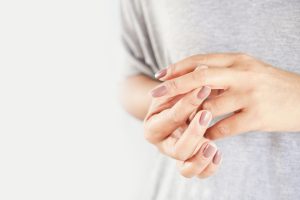 Now, the ancients characterized inflammation based on visual observation:
 This links the otherwise ‘healthy’ people who suffered greatly and died during COVID-19.
The chronic inflammation was not showing visibly (and when it would, it would depend on many factors).
If there was systemic inflammation rising silently through the body, it made the immune system unable to produce an adequate attack to defend, thus making an otherwise ‘healthy’ person more susceptible to a virus like COVID-19.
There are, of course, genetic predispositions to inflammatory diseases, too, that come into play.
Indeed, this is another reason to assess your lifestyle: lessening the likelihood of activating genetics through eating, living, breathing, moving, resting, stress-busting, sleeping, and thinking in an anti-inflammatory way.
You don’t have to ‘feel’ unwell to consider reducing your inflammation.
Moreover, since chronic inflammation is so prevalent in our lives for an array of reasons, it is wise to combat inflammation before it presents itself into something bigger, sooner or later.
This links the otherwise ‘healthy’ people who suffered greatly and died during COVID-19.
The chronic inflammation was not showing visibly (and when it would, it would depend on many factors).
If there was systemic inflammation rising silently through the body, it made the immune system unable to produce an adequate attack to defend, thus making an otherwise ‘healthy’ person more susceptible to a virus like COVID-19.
There are, of course, genetic predispositions to inflammatory diseases, too, that come into play.
Indeed, this is another reason to assess your lifestyle: lessening the likelihood of activating genetics through eating, living, breathing, moving, resting, stress-busting, sleeping, and thinking in an anti-inflammatory way.
You don’t have to ‘feel’ unwell to consider reducing your inflammation.
Moreover, since chronic inflammation is so prevalent in our lives for an array of reasons, it is wise to combat inflammation before it presents itself into something bigger, sooner or later.
 It is wise to prepare and fortify our body’s response to threats.
So, as you can imagine, ‘inflammation’ is now characterized as: ‘The reaction to injury of the living microcirculation and related tissues’ rather than the visual observation of olden times.
Some signs of inflammation may surprise you!
We can have chronic inflammation without knowing it. A silent disease, as such.
It is wise to prepare and fortify our body’s response to threats.
So, as you can imagine, ‘inflammation’ is now characterized as: ‘The reaction to injury of the living microcirculation and related tissues’ rather than the visual observation of olden times.
Some signs of inflammation may surprise you!
We can have chronic inflammation without knowing it. A silent disease, as such.
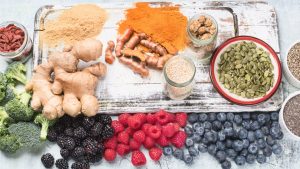

 Colonization is unique to us since it begins before birth, dynamically from our mother, whose first exposure was from her mother, and so on.
This links to an intriguing report about the existence of ancient microbes in our microbiome by
Colonization is unique to us since it begins before birth, dynamically from our mother, whose first exposure was from her mother, and so on.
This links to an intriguing report about the existence of ancient microbes in our microbiome by  Exposure is key to protection!
So, the first exposure is entirely down to our mother’s/DNA species of microbiota but also depends on how we are delivered into the world. Vaginally delivered (and position), we have microbiota resembling our mother’s vagina microbiota. C-sections would harbor microbes from a mother’s skin.
The microbiota we were born with soon alters as we adapt to our surroundings. Like breast milk or formula, adult diet, and so on, corresponding to the changes. To ease digestion of an adult diet and allow for vitamin biosynthesis, for instance.
Exposure is key to protection!
So, the first exposure is entirely down to our mother’s/DNA species of microbiota but also depends on how we are delivered into the world. Vaginally delivered (and position), we have microbiota resembling our mother’s vagina microbiota. C-sections would harbor microbes from a mother’s skin.
The microbiota we were born with soon alters as we adapt to our surroundings. Like breast milk or formula, adult diet, and so on, corresponding to the changes. To ease digestion of an adult diet and allow for vitamin biosynthesis, for instance.
 Some studies (Fierer et al.) show that human fingertips can transfer microbe communities via keyboards, for instance. There are so many factors that can affect the microbiome. It is so fascinating!
So, everything we are exposed to as we grow, along with our diets, habits, and environment, shapes our microbiota communities. This community can change the body into a healthy state or one at greater risk of disease.
Some studies (Fierer et al.) show that human fingertips can transfer microbe communities via keyboards, for instance. There are so many factors that can affect the microbiome. It is so fascinating!
So, everything we are exposed to as we grow, along with our diets, habits, and environment, shapes our microbiota communities. This community can change the body into a healthy state or one at greater risk of disease.

 Like
Like  I recommend taking a 360-degree anti-inflammatory approach when it comes to reducing inflammation.
Your body needs to be understood to be taken care of. It will aid longevity if approached from a ‘health education and nourishing angle and learning what is suitable for your body.
Eating, living, breathing, moving, resting, stress-busting, sleeping, and thinking in an anti-inflammatory way will positively influence the composition and operations of your microbiota and the innate and adaptive immune system. This will lower hidden inflammation in the long term.
Plus, when you are ‘gut’ healthier, you are more energized, productive, and happier (brain/gut connection, ‘feel good’ neurotransmitter production).
When you are happier, you are more likely to socialize.
When you socialize, you are improving your immunity further.
Improving your immunity increases your chances of having more autonomy over your health.
I wish you a very healthy and happy day!
I recommend taking a 360-degree anti-inflammatory approach when it comes to reducing inflammation.
Your body needs to be understood to be taken care of. It will aid longevity if approached from a ‘health education and nourishing angle and learning what is suitable for your body.
Eating, living, breathing, moving, resting, stress-busting, sleeping, and thinking in an anti-inflammatory way will positively influence the composition and operations of your microbiota and the innate and adaptive immune system. This will lower hidden inflammation in the long term.
Plus, when you are ‘gut’ healthier, you are more energized, productive, and happier (brain/gut connection, ‘feel good’ neurotransmitter production).
When you are happier, you are more likely to socialize.
When you socialize, you are improving your immunity further.
Improving your immunity increases your chances of having more autonomy over your health.
I wish you a very healthy and happy day!
 Hello Everyone,
It can be challenging to flatten your tummy when you have hormonal and inflammatory conditions like Polycystic Ovary Syndrome (PCOS).
In this article, I’m going to explain why it’s hard to lose belly fat when you have PCOS and share some of my best tips for dealing with this issue.
Hello Everyone,
It can be challenging to flatten your tummy when you have hormonal and inflammatory conditions like Polycystic Ovary Syndrome (PCOS).
In this article, I’m going to explain why it’s hard to lose belly fat when you have PCOS and share some of my best tips for dealing with this issue.
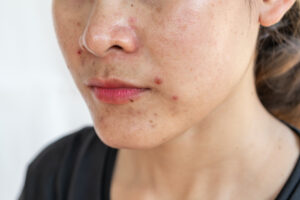
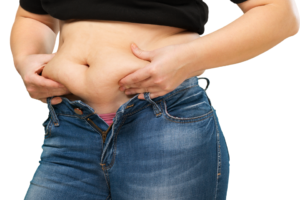

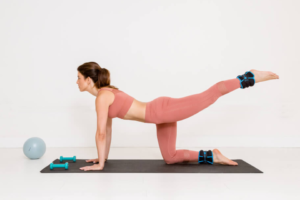


 So, please don’t despair if you have PCOS and a larger tummy than you would like because you can change it. You are not stuck with it for life.
We have many EBS members who have turned their PCOS around by following the EBS lifestyle. This is what Remi says about the program:
“After 3 years of sticking (mostly) to your food guide, I have healed my PCOS!
I just went in for hormone testing, and everything was completely normal for the first time in my life.”
We even have leading Endocrinologists who have benefited from the program, like Dr Mehreen Kahn:
“The lifestyle has helped me so much. I have PCOS and IBS/reflux. An added benefit for me is my cystic acne from PCOS just vanished. My 13-year-old acne is clearing up.
The bloat is gone, no more popping TUMS, and Gas-X and Omeprazole all the time. My tummy is flat for the first time since babies! I feel better at 40 (my birthday is tomorrow) than at 30. My hair is shinier, my nails are breaking less.”
So, are you ready to deal with PCOS belly fat?
So, please don’t despair if you have PCOS and a larger tummy than you would like because you can change it. You are not stuck with it for life.
We have many EBS members who have turned their PCOS around by following the EBS lifestyle. This is what Remi says about the program:
“After 3 years of sticking (mostly) to your food guide, I have healed my PCOS!
I just went in for hormone testing, and everything was completely normal for the first time in my life.”
We even have leading Endocrinologists who have benefited from the program, like Dr Mehreen Kahn:
“The lifestyle has helped me so much. I have PCOS and IBS/reflux. An added benefit for me is my cystic acne from PCOS just vanished. My 13-year-old acne is clearing up.
The bloat is gone, no more popping TUMS, and Gas-X and Omeprazole all the time. My tummy is flat for the first time since babies! I feel better at 40 (my birthday is tomorrow) than at 30. My hair is shinier, my nails are breaking less.”
So, are you ready to deal with PCOS belly fat?  Hi Everyone,
Are you caring for your fascia?
Looking after your fascia is vital if you want to be fit and pain-free. If you are unfamiliar with fascia, let alone why fascia stretching is important, this post is for you.
Hi Everyone,
Are you caring for your fascia?
Looking after your fascia is vital if you want to be fit and pain-free. If you are unfamiliar with fascia, let alone why fascia stretching is important, this post is for you.





 So, now you know the fuss about stretching your fascia.
There are over 170 movement videos on the EBS platform, including 16+ stretching videos. All are excellent for your fascia.
Some of them are accompanied by full-body meditations, which are incredibly nourishing for your mind, body, and soul.
So, now you know the fuss about stretching your fascia.
There are over 170 movement videos on the EBS platform, including 16+ stretching videos. All are excellent for your fascia.
Some of them are accompanied by full-body meditations, which are incredibly nourishing for your mind, body, and soul.
 Believe me, you will feel amazing following an anti-inflammatory lifestyle.
But don’t just take it from me. This is what
Believe me, you will feel amazing following an anti-inflammatory lifestyle.
But don’t just take it from me. This is what  Hello Everyone,
I am often asked about the signs of inflammation and how to tell if it’s a problem. But honestly, chronic inflammation will express itself differently for each of us! This is because we have a unique genetic makeup that influences our health.
However, there are some common signs of inflammation to look out for, some of which will surprise you.
Hello Everyone,
I am often asked about the signs of inflammation and how to tell if it’s a problem. But honestly, chronic inflammation will express itself differently for each of us! This is because we have a unique genetic makeup that influences our health.
However, there are some common signs of inflammation to look out for, some of which will surprise you.




 Hello Everyone! It’s hard to believe that what you eat today and tomorrow may have you waking up feeling sad, anxious, or moody the next day.
The last thing you may be thinking about if you are prone to depression and anxiety is what you are eating. You could be reaching out for unhealthy options, overloaded with caffeine and sugar, and not sleeping well, too.
Getting through the day could feel like wading through mud, and you are doing whatever you can to get through it!
This post is about depression, anxiety, and how
Hello Everyone! It’s hard to believe that what you eat today and tomorrow may have you waking up feeling sad, anxious, or moody the next day.
The last thing you may be thinking about if you are prone to depression and anxiety is what you are eating. You could be reaching out for unhealthy options, overloaded with caffeine and sugar, and not sleeping well, too.
Getting through the day could feel like wading through mud, and you are doing whatever you can to get through it!
This post is about depression, anxiety, and how 

 The key is to continue the health education and the diet and lifestyle changes. Health education will teach behaviors that become automated. You start living an anti-inflammatory way without even thinking!
 There’s more about the gut-brain axis and how the gut influences the brain and the brain influences the gut in this article:
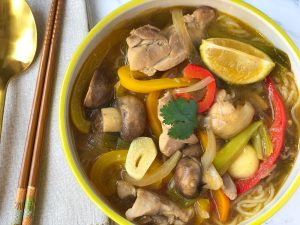
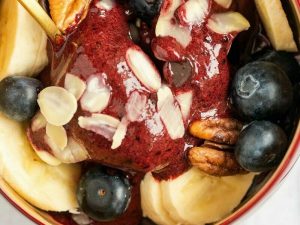
 An anti-inflammatory, neuroprotective, prebiotic diet is associated with reduced rates of depression, as they are rich in a wide variety of bioactive compounds, minerals, vitamins, and so on, as stated by González R, Ballester I, López-Posadas R, et al. (2011).
The effects of an anti-inflammatory, neuroprotective, prebiotic diet are demonstrated further in a study about the dietary intake and risk of incident depression in midlife and older women by Chang S-C, Cassidy A, Willet WC, et al. (2016).
In a study by Bienenstock J, Kunze W, Forsythe P, et al. (2015) on microbiota and the gut-brain axis, it was noted that diet could change the profile of gut microbiota and behavior. They quote that the effects of bacteria on the nervous system affect the immune system because they are in constant bidirectional communication.
An anti-inflammatory, neuroprotective, prebiotic diet is associated with reduced rates of depression, as they are rich in a wide variety of bioactive compounds, minerals, vitamins, and so on, as stated by González R, Ballester I, López-Posadas R, et al. (2011).
The effects of an anti-inflammatory, neuroprotective, prebiotic diet are demonstrated further in a study about the dietary intake and risk of incident depression in midlife and older women by Chang S-C, Cassidy A, Willet WC, et al. (2016).
In a study by Bienenstock J, Kunze W, Forsythe P, et al. (2015) on microbiota and the gut-brain axis, it was noted that diet could change the profile of gut microbiota and behavior. They quote that the effects of bacteria on the nervous system affect the immune system because they are in constant bidirectional communication.

 Some exercises contribute to
  Getting the synergy is essential, and it will happen.
*As the study mentioned above, lifestyle changes and health education for depression showed significant recovery. This health education platform and our nutritionists’ help in the
Getting the synergy is essential, and it will happen.
*As the study mentioned above, lifestyle changes and health education for depression showed significant recovery. This health education platform and our nutritionists’ help in the 

 This links to an intriguing report about the existence of ancient microbes in our microbiome by
  Please be warned about unqualified people on social media giving out gut health advice, gut health hacks, gut health weight loss tips, and so on. You could damage your gut health and open up your body to the risk of disease. I always advise that you take gut health nutrition and gut health diet advice from a qualified gut health expert/nutritionist/doctor who has studied gut health.
So, gut health is not a passing health trend. I have spent years studying gut health and chronic inflammation, and it is crucial to good health.
Please be warned about unqualified people on social media giving out gut health advice, gut health hacks, gut health weight loss tips, and so on. You could damage your gut health and open up your body to the risk of disease. I always advise that you take gut health nutrition and gut health diet advice from a qualified gut health expert/nutritionist/doctor who has studied gut health.
So, gut health is not a passing health trend. I have spent years studying gut health and chronic inflammation, and it is crucial to good health.


 So, the first exposure is entirely down to our mother’s/DNA species of microbiota but also depends on how we are delivered into the world. Vaginally delivered (and position), we have microbiota resembling our mother’s vagina microbiota. C-sections would harbor microbes from a mother’s skin.
The microbiota we were born with is not very diverse but soon alters as we adapt to our surroundings so that we can digest the food we are given and deal with germs and what is around us. This cultivates a diverse, anti-inflammatory microbiome.
A baby in America is exposed to different bugs than a baby in Europe, for instance.
As we go through life, as we have changing environments, lifestyle habits, and so on, gut health corresponds with how you live.
So, if we feed the good bacteria with good nutrients, they thrive. If we feed it with damaging foods, then the damaging bacteria grows. They, in fact, like anything living, will want to survive and send signals to your brain for more damaging foods! They are that powerful!
So, the first exposure is entirely down to our mother’s/DNA species of microbiota but also depends on how we are delivered into the world. Vaginally delivered (and position), we have microbiota resembling our mother’s vagina microbiota. C-sections would harbor microbes from a mother’s skin.
The microbiota we were born with is not very diverse but soon alters as we adapt to our surroundings so that we can digest the food we are given and deal with germs and what is around us. This cultivates a diverse, anti-inflammatory microbiome.
A baby in America is exposed to different bugs than a baby in Europe, for instance.
As we go through life, as we have changing environments, lifestyle habits, and so on, gut health corresponds with how you live.
So, if we feed the good bacteria with good nutrients, they thrive. If we feed it with damaging foods, then the damaging bacteria grows. They, in fact, like anything living, will want to survive and send signals to your brain for more damaging foods! They are that powerful!

 Likewise, exposure to chemicals in infancy can affect these gut microbiota. Did you read: Why Aspartame is Linked to Cancer? Exposure to aspartame is linked before you are born if your mother drank aspartame-laden drinks without knowing about the dangers. It has only been exposed as a carcinogen recently, despite scientists crying out for it to be banned for decades!
There are more risks of being susceptible to chronic inflammatory conditions and autoimmune diseases later in life without the correct quantity and quality of germs in childhood.
It’s really important to be exposed and not shielded unless it is chemicals!
Have you read Low-calorie Foods for Weight Loss and listened to my
Likewise, exposure to chemicals in infancy can affect these gut microbiota. Did you read: Why Aspartame is Linked to Cancer? Exposure to aspartame is linked before you are born if your mother drank aspartame-laden drinks without knowing about the dangers. It has only been exposed as a carcinogen recently, despite scientists crying out for it to be banned for decades!
There are more risks of being susceptible to chronic inflammatory conditions and autoimmune diseases later in life without the correct quantity and quality of germs in childhood.
It’s really important to be exposed and not shielded unless it is chemicals!
Have you read Low-calorie Foods for Weight Loss and listened to my 

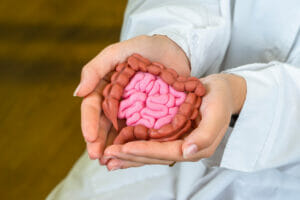




 Chronic inflammation is the trigger for non-communicable diseases. These are diseases that you cannot transmit, like cancer, Parkinson’s, autoimmune diseases, joint issues, skin inflammation,
  I have now lowered those responses by living an anti-inflammatory lifestyle.
You cannot change your DNA, but you can change your lifestyle.
You can have an inflammatory lifestyle or an anti-inflammatory lifestyle.
I can switch on those autoimmune genes if I start living an inflammatory life again.
What also transpired through my research is that the anti-inflammatory medication saved me, but it was temporary.
It was like putting a plaster on massive cracks.
I needed the source of my autoimmune conditions to be treated, not plastered over.
I also discovered that the anti-inflammatory tablets and steroids were exponentially worsening my symptoms and causing inflammation and a dysregulated immune system.
I have now lowered those responses by living an anti-inflammatory lifestyle.
You cannot change your DNA, but you can change your lifestyle.
You can have an inflammatory lifestyle or an anti-inflammatory lifestyle.
I can switch on those autoimmune genes if I start living an inflammatory life again.
What also transpired through my research is that the anti-inflammatory medication saved me, but it was temporary.
It was like putting a plaster on massive cracks.
I needed the source of my autoimmune conditions to be treated, not plastered over.
I also discovered that the anti-inflammatory tablets and steroids were exponentially worsening my symptoms and causing inflammation and a dysregulated immune system.
 So, yes, the anti-inflammatory drugs and steroids saved me, but they increased inflammation in my system on a perpetual cycle.
 People talk about gut health a lot but not really about inflammation because they don’t fully understand it. It is relevant, though. Poor gut health leads to chronic inflammation.
So, my research was extensive and extended to thousands of hours over a decade. I used myself first as a guinea pig and then extended it to family and friends, developing this anti-inflammatory lifestyle called Eat Burn Sleep. Born in 2017.
I qualified as a naturopathic nutritionist so that I could help others with a foundation in biochemistry (CNM) from the
People talk about gut health a lot but not really about inflammation because they don’t fully understand it. It is relevant, though. Poor gut health leads to chronic inflammation.
So, my research was extensive and extended to thousands of hours over a decade. I used myself first as a guinea pig and then extended it to family and friends, developing this anti-inflammatory lifestyle called Eat Burn Sleep. Born in 2017.
I qualified as a naturopathic nutritionist so that I could help others with a foundation in biochemistry (CNM) from the 

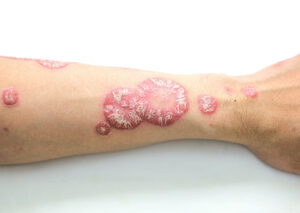
 This pile-up of skin cells appears on the skin in itchy, swollen, red, purple, salmon-colored (depending on how light or dark your skin is), thickened patches with silvery scales. It can be mild, moderate, and severe, affecting people psychologically and physically.

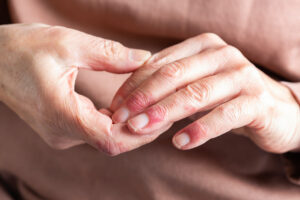 You may be interested in reading
  You may be interested in reading
  In the long run, medication doesn’t treat the source, stops working after a while, and causes
  Start
Start  Hello Everyone!
I love seasonal changes, for each one carries beauty. Of course, when the weather, temperature, and light change, it is inevitable that these will have an effect on our mental, physical, and emotional health.
For this post, I am going to focus on the immune system. It reminds everyone, no matter the season, that good immune health equals good health. Many of you can be in control of looking after it, too!
Hello Everyone!
I love seasonal changes, for each one carries beauty. Of course, when the weather, temperature, and light change, it is inevitable that these will have an effect on our mental, physical, and emotional health.
For this post, I am going to focus on the immune system. It reminds everyone, no matter the season, that good immune health equals good health. Many of you can be in control of looking after it, too!

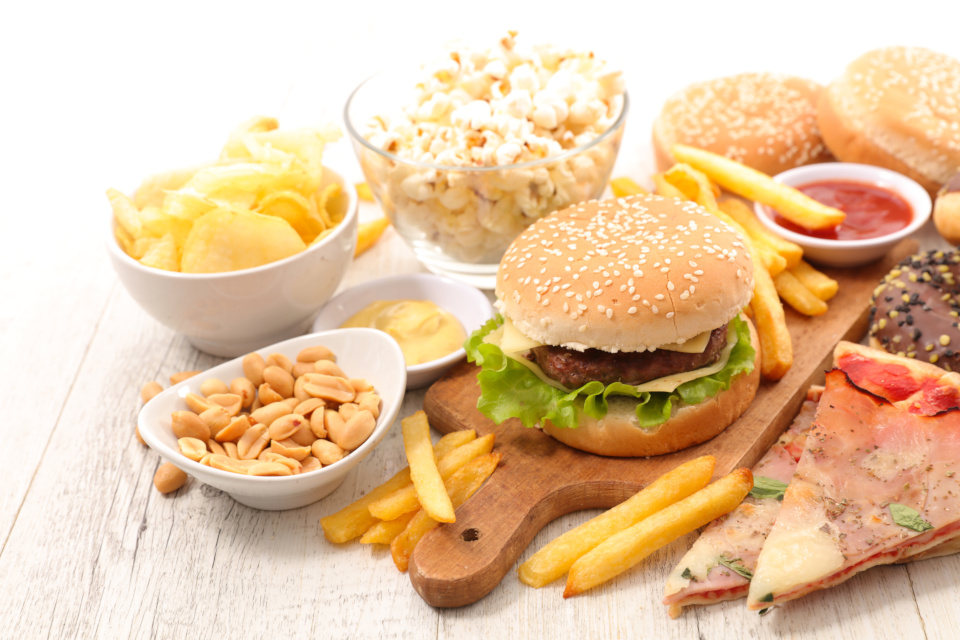
 As does lack of exercise, being overweight, being underweight, and following calorie-restrictive diets. Negative thinking is detrimental to good health and disease defense, too.
 You only have to think about how your body craves sleep when you have a cold or virus.
No amount of anything will keep you awake, as your body’s natural healing defense urges you to lie down and sleep. If you fight it, you prolong the sickness period.
Likewise, suppose you have long periods of insomnia. In that case, you are more susceptible to catching a virus because important infection-fighting mechanisms decrease, and you are more open to getting other chronic inflammation conditions.
There’s a strong link between circadian disruption and sleep in developing diseases!
You only have to think about how your body craves sleep when you have a cold or virus.
No amount of anything will keep you awake, as your body’s natural healing defense urges you to lie down and sleep. If you fight it, you prolong the sickness period.
Likewise, suppose you have long periods of insomnia. In that case, you are more susceptible to catching a virus because important infection-fighting mechanisms decrease, and you are more open to getting other chronic inflammation conditions.
There’s a strong link between circadian disruption and sleep in developing diseases!
 Living an anti-inflammatory lifestyle in a complete 360-degree way can curb this from happening. Even in genetic diseases, it gives your body a more robust defense.
 Read
Read 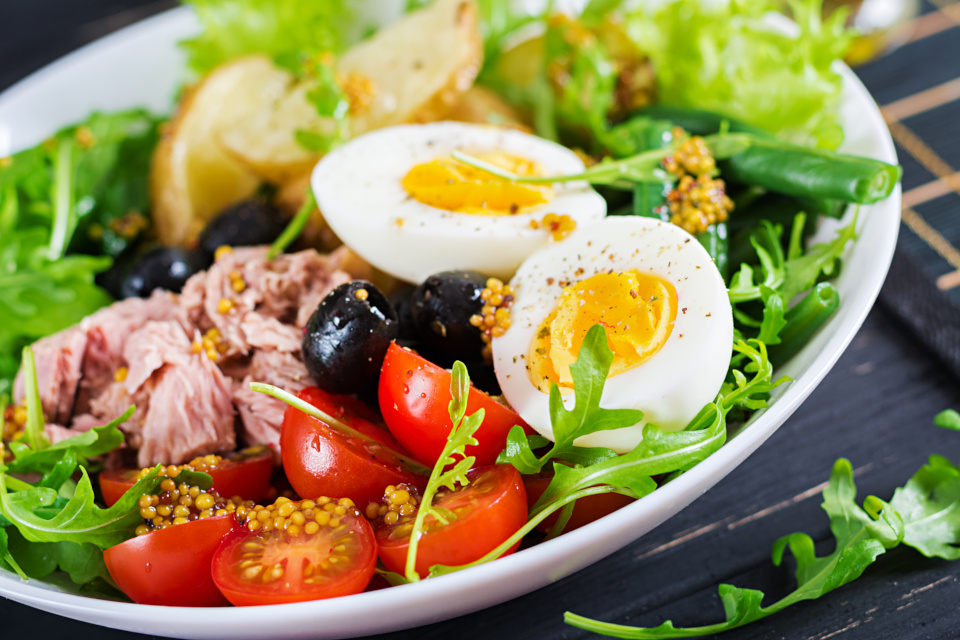 Many essential vitamins are obtained from food, but only 10% of vitamin D is obtained from food.
The other 90% is produced by sunlight, and the efficiency depends on the UVB photons penetrating into the skin. Conversion then occurs in the liver mainly, and it is utilized. It isn’t stored for long, though!
Vitamin D diminishes with:
Many essential vitamins are obtained from food, but only 10% of vitamin D is obtained from food.
The other 90% is produced by sunlight, and the efficiency depends on the UVB photons penetrating into the skin. Conversion then occurs in the liver mainly, and it is utilized. It isn’t stored for long, though!
Vitamin D diminishes with:

 Sitting near an open window or using a S.A.D. lamp (throughout the day) is beneficial if you have to isolate or in cooler months.
Although sitting behind a window alone will feel nice but will block the necessary UVB rays.
Taking in a correct dose of sunshine when you can is essential for your immune system since 90% of vitamin D is absorbed from the sun, but there are challenges when the skin is covered. See above.
The best way of bolstering immunity for better protection against disease and infection is by having vitamins and minerals through food and living an anti-inflammatory, immune-healthy lifestyle.
Sitting near an open window or using a S.A.D. lamp (throughout the day) is beneficial if you have to isolate or in cooler months.
Although sitting behind a window alone will feel nice but will block the necessary UVB rays.
Taking in a correct dose of sunshine when you can is essential for your immune system since 90% of vitamin D is absorbed from the sun, but there are challenges when the skin is covered. See above.
The best way of bolstering immunity for better protection against disease and infection is by having vitamins and minerals through food and living an anti-inflammatory, immune-healthy lifestyle.
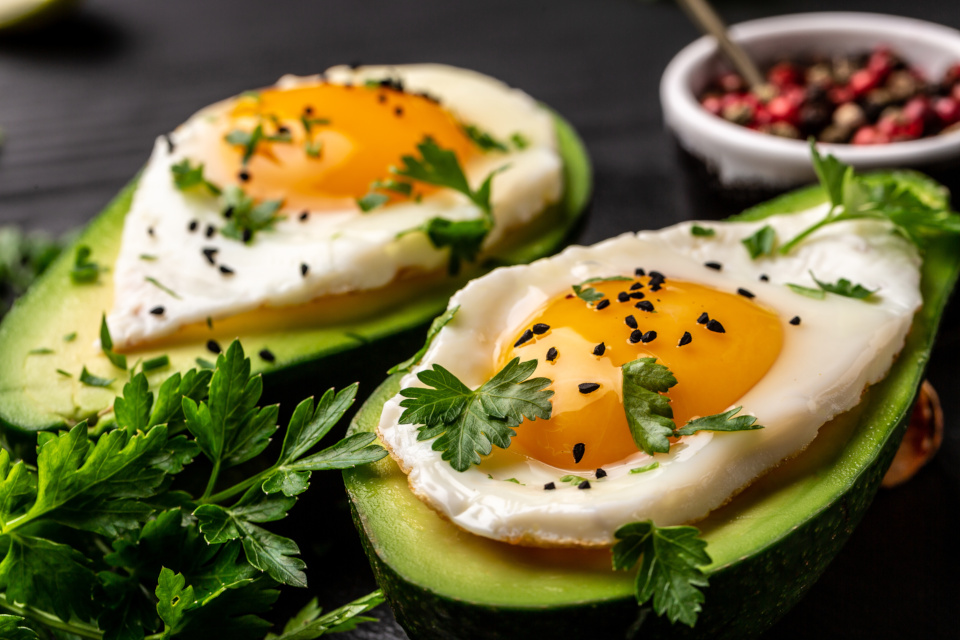 This will allow maximum absorption of optimum health nutrition and virus defense.

 Have you tried Eat Burn Sleep’s

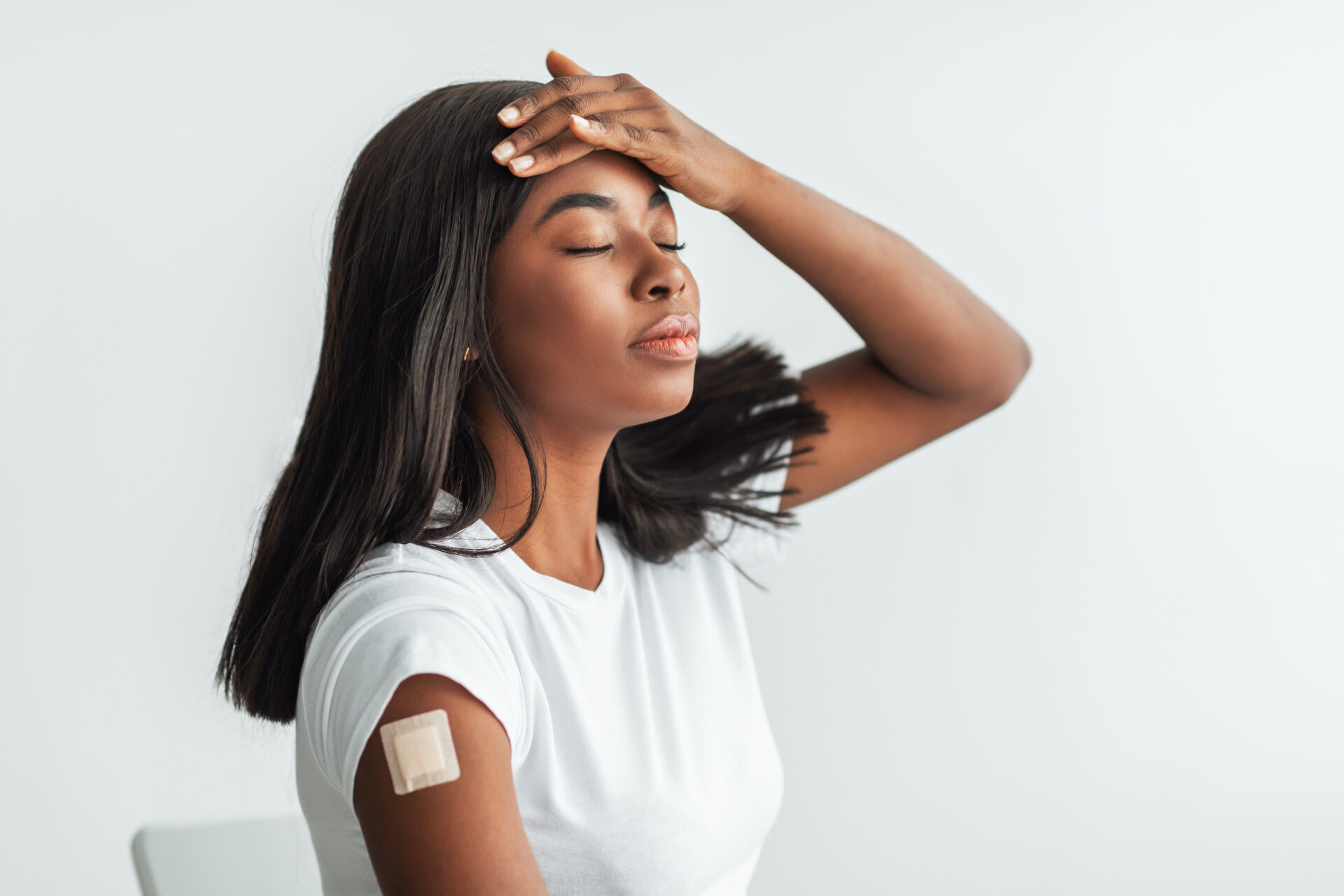
 With inflammation implicating Long COVID and Long COVID causing more inflammation, which causes the immune system to be dysregulated, this would explain why Long COVID symptoms went away for our members.
By reducing inflammation and boosting immunity through improving gut health, liver health, anti-inflammatory movement, stress reduction, other neuroplasticity exercises, and better quality consistent sleep, they can live a regular life again.
It also explains why Long COVID symptoms persist if you are not on an anti-inflammatory diet and lifestyle.
With inflammation implicating Long COVID and Long COVID causing more inflammation, which causes the immune system to be dysregulated, this would explain why Long COVID symptoms went away for our members.
By reducing inflammation and boosting immunity through improving gut health, liver health, anti-inflammatory movement, stress reduction, other neuroplasticity exercises, and better quality consistent sleep, they can live a regular life again.
It also explains why Long COVID symptoms persist if you are not on an anti-inflammatory diet and lifestyle.

 It will switch on anything hereditary, leaving you at risk of developing chronic conditions like autoimmune diseases and picking up viruses quickly. You may enjoy reading
  People also report that stress and anxiety have increased due to the challenges of having more migraines. Trying to navigate daily activities, life, work, school, social occasions, holidays, vacations, and relationships when you don’t know when an attack will occur has a considerable physical and mental impact.
One migraine a week would be challenging, but a Long COVID migraine causes up to five a week, it states in one study. 3 out of 4 reported spending time alone in a dark room without noise for 6+ hours on each attack and then dealing with the after-effects.
People also report that stress and anxiety have increased due to the challenges of having more migraines. Trying to navigate daily activities, life, work, school, social occasions, holidays, vacations, and relationships when you don’t know when an attack will occur has a considerable physical and mental impact.
One migraine a week would be challenging, but a Long COVID migraine causes up to five a week, it states in one study. 3 out of 4 reported spending time alone in a dark room without noise for 6+ hours on each attack and then dealing with the after-effects.
 Stress induces many changes in the brain and body, like increasing gut permeability and a leaky gut, reshapes gut composition and triggers pathogenic bacteria, activates our immune system, and increases inflammation, increasing neuroinflammation.
This will alter the gut-brain axis because of the bidirectional link between the gut and the brain. Briefly, what goes on in the gut goes on in the brain and vice versa. (If you think about how you get butterflies in your tummy or need to go to the bathroom before speaking in public or before an event, this is the brain-gut connection).
Stress induces many changes in the brain and body, like increasing gut permeability and a leaky gut, reshapes gut composition and triggers pathogenic bacteria, activates our immune system, and increases inflammation, increasing neuroinflammation.
This will alter the gut-brain axis because of the bidirectional link between the gut and the brain. Briefly, what goes on in the gut goes on in the brain and vice versa. (If you think about how you get butterflies in your tummy or need to go to the bathroom before speaking in public or before an event, this is the brain-gut connection).
 It would be no surprise to feel low and anxious when you have a debilitating condition, but gut bacteria imbalance and inflammation actually increase the chances of depression & anxiety (neuroinflammation).
Some gut bacteria actually encourage dysregulated eating!
Stressful times can also influence your diet and lifestyle choices, which affects gut health and increases inflammation. Have you seen the Live Masterclass on Emotional Eating recently?
Let’s not forget how sleep quality changes during stressful times. Gut imbalances mean less serotonin production, too, which is the precursor to melatonin, which enhances sleep (and happiness!). There are so many reasons to reduce inflammation through gut health!
These articles may interest you: Weight Loss and The Link to Sleep & What Happens if You Don’t Sleep Well?
It would be no surprise to feel low and anxious when you have a debilitating condition, but gut bacteria imbalance and inflammation actually increase the chances of depression & anxiety (neuroinflammation).
Some gut bacteria actually encourage dysregulated eating!
Stressful times can also influence your diet and lifestyle choices, which affects gut health and increases inflammation. Have you seen the Live Masterclass on Emotional Eating recently?
Let’s not forget how sleep quality changes during stressful times. Gut imbalances mean less serotonin production, too, which is the precursor to melatonin, which enhances sleep (and happiness!). There are so many reasons to reduce inflammation through gut health!
These articles may interest you: Weight Loss and The Link to Sleep & What Happens if You Don’t Sleep Well?


 Your migraines may just be reduced considerably in a matter of days. Our member Jewel reported relief on day 1 of being on the program after three weeks of continual headaches (check out the COVID testimonials). Members indeed feel the instant changes in many ways, but I would allow for longer and start the
  Hello everyone!
If you are here because you want to improve your
Hello everyone!
If you are here because you want to improve your 


 If you are looking for a fertility diet to improve pregnancy health and a diet to have a healthy baby, you have found it!
The whole body is optimized to improve fertility, support the success of IVF, lessen the risk of miscarriage, and help give birth on this anti-inflammatory lifestyle.
I am barely covering the surface here, but suffice it to say that Eat Burn Sleep is a beautiful lifestyle to follow if you want to improve your chances of having a baby.
Check out the fertility success stories, see how many Eat Burn Sleep babies there are, and come and join our community!
Feel free to reach out to me with any questions.
Wishing you the very best and hope you will soon welcome a baby into your life.
If you are looking for a fertility diet to improve pregnancy health and a diet to have a healthy baby, you have found it!
The whole body is optimized to improve fertility, support the success of IVF, lessen the risk of miscarriage, and help give birth on this anti-inflammatory lifestyle.
I am barely covering the surface here, but suffice it to say that Eat Burn Sleep is a beautiful lifestyle to follow if you want to improve your chances of having a baby.
Check out the fertility success stories, see how many Eat Burn Sleep babies there are, and come and join our community!
Feel free to reach out to me with any questions.
Wishing you the very best and hope you will soon welcome a baby into your life.