

 Reboot and Revive


Category: all-posts
All posts that are Eat Burn Sleep are here! Gut-brain health, optimum physical health, body composition, and anti-aging. Everything you need for your new anti-inflammatory mind and body!
Your EBS Festive Recipes

The festive season is all about connection, joy, and coming together around the table. At Eat Burn Sleep, we believe food is so much more than fuel; it’s social, emotional, and deeply human. Sharing meals helps lower stress, support mental wellbeing, and calm the nervous system, all of which play an essential role in keeping chronic inflammation in check. This is why enjoyment and togetherness are just as important as what’s on your plate.
That’s where our 80/20 lifestyle truly shines. Instead of aiming for perfection, we focus on balance. When around 80% of your choices nourish your body with anti-inflammatory, gut-friendly foods, there’s plenty of room for festive favourites, flexibility, and traditions you love, without guilt or restriction. This gentle, sustainable approach supports hormone balance, digestion, and long-term health, while still letting you fully enjoy the season.
Below, you’ll find a festive recipe collection created to help you feel your best while celebrating, because looking after your health and enjoying special moments should always go hand in hand.
🥂 Appetisers

Austrian Cucumber Salad
Deviled Eggs
Kale, Apple and Pecan Salad
Sweet Potato Blinis
Waldorf Salad
Wild Salmon Spread (great with seed crackers)
🍗 Main Proteins

Rack of Lamb With Basil and Mint
Roast Chicken
Roast Christmas Chicken
Slow Middle Eastern Lamb Shoulder (great alternative to turkey)
🥕 Side Dishes

Brussels Sprouts, Chicken & Bacon Skillet (perfect for leftovers)
Brussels Sprouts with Pancetta and Sage
Creamy Beetroot Salad
Mashed Swede and Carrot
Roasted Carrots and Parsnips with Cumin Seeds
Roasted Root Vegetables
Roasted Sweet Potato and Garlic
Sweet Potato Mash
Sweet Potatoes with Rosemary and Sage
🍰 Desserts & Sweet Treats

Chocolate and Sea Salt Brownies *
Chocolate Mousse with Olive Oil
Chocolate Soft Cake
Cinnamon Oranges
Ginger Cookies
Healthy Cranberry Sauce
Healthy Dubai Chocolate Bar *
Healthy Hot Chocolate
Healthy Speculoos Biscuits
Invisible Apple Cake
Mandarin and Almond Cake *
Nutty Chocolate Bark *
Stewed Apples
🥣 Soups and Comfort Dishes

Cream of Broccoli and Zucchini Soup *
Parsnip Soup
Roasted Butternut Squash Soup *
Spinach and Zucchini Velouté
Zucchini and Leek Soup
🍞 Breads & Extras

Aioli Balsamic Dressing
Apple Cider Vinaigrette
Bread Rolls
Electrolyte Mix (before and after the celebrations!)
Green Salad Dressing
Honey and Mustard Dressing
Seed Bread
Pure Seeds Crackers
Recipes marked with * are public. Full anti-inflammatory guidance, education, and seasonal support are available inside the Eat Burn Sleep Membership.
As you enjoy these festive recipes, remember that health isn’t about restriction or missing out on moments that matter. The Eat Burn Sleep 80/20 lifestyle is about nourishing your body most of the time, and wholeheartedly enjoying food, connection, and celebration when it counts.
Cooking, sharing meals, and gathering around a table bring people together in ways that support digestion, reduce stress, and naturally lower inflammation. Food is joy, tradition, and community. Listen to your body, savour each bite, and trust that its consistency over time, not one meal or one week, that creates lasting health and balance.
The Seven Shortcut Foods Nutritionists Never Eat


I was recently interviewed by The Telegraph to discuss the highly processed “shortcut foods” that many people consider healthy, but that often contain additives, stabilisers, emulsifiers, and hidden sugars. In the article, I explained how these ingredients can affect digestion, gut microbiota, blood sugar regulation, and inflammation pathways.
While convenience foods can save time, they may not always support metabolic health or physiological balance. A consistent diet built around whole, minimally processed foods is far more beneficial for long-term well-being.
Members can use the detailed Food Lists on the EBS platform to make informed, anti-inflammatory choices effortlessly, without needing to analyse every label.
You can read the full interview here.
How Does Sleep Help With Inflammation?

The Science Behind Sleep and Inflammation
Are you sleeping well? This is a question I ask my executive coaching clients, and the answer is frequently no! Modern life is full of things that disrupt sleep. Eating ultra-processed foods, scrolling social media, late-night Netflix, lack of exercise – it’s little wonder that people are struggling to sleep. And yet sleep is critical to health, especially if you are dealing with an inflammatory condition. So, how does sleep help with inflammation?Sleep and Inflammation
Your body does a great deal of cellular repair work while you sleep. If you don’t get enough sleep, this healing work is compromised. There are 4 stages of sleep in each sleep cycle, and we go through several cycles each night. Stage 1 is the first stage of non-REM (Rapid Eye Movement) sleep. It is a light sleep that lasts a few minutes as the body and brain start to relax and wind down. Stage 2 is the next phase of non-REM sleep during which our core temperature drops, muscles relax, and heart rate and breathing slow down. Stage 3 is deep non-REM sleep. This is the deep, restorative sleep that allows the body and mind to heal, repair, restore energy, and consolidate memories. This is the most important stage of sleep for optimum health and managing inflammation. Stage 4 is REM sleep. Brain activity picks up and we may experience vivid dreams. REM sleep is thought to be essential for healthy brain function and processing information. Studies show that sleep loss and disrupted sleep lead to raised levels of inflammatory mediators (Dzierzewski et al, 2020) which are linked to the development of chronic conditions and metabolic disorders like Type II diabetes and cardiovascular disease (Mullington et al, 2010).
In turn, the pain and discomfort of chronic inflammatory disorders can interrupt healthy sleep patterns, leading to a negative spiral of poor sleep and further inflammation.
Chronic low-grade inflammation is an underlying factor in so many conditions. From obesity and weight gain to depression, fertility problems, and thyroid issues, tackling inflammation is the secret to optimum health and vitality.
Studies show that sleep loss and disrupted sleep lead to raised levels of inflammatory mediators (Dzierzewski et al, 2020) which are linked to the development of chronic conditions and metabolic disorders like Type II diabetes and cardiovascular disease (Mullington et al, 2010).
In turn, the pain and discomfort of chronic inflammatory disorders can interrupt healthy sleep patterns, leading to a negative spiral of poor sleep and further inflammation.
Chronic low-grade inflammation is an underlying factor in so many conditions. From obesity and weight gain to depression, fertility problems, and thyroid issues, tackling inflammation is the secret to optimum health and vitality.
Sleep and Gut Health
At Eat Burn Sleep, we recognise just how vital gut health is for overall health and wellbeing. Your gut microbiome influences almost every aspect of disease and constantly communicates with your brain and immune system. Messenger molecules produced by gut microbes help to regulate your sleep-wake cycle, the internal 24-hour clock that determines when you are asleep or awake. If the balance of microbes in the gut is disturbed – we call this microbiome dysregulation – it can interfere with healthy sleep patterns and promote inflammation. These microbes also produce some of the neurotransmitters that help you sleep. For example, over 90% of serotonin is produced in the gut, and it is serotonin that converts to melatonin, the sleep hormone. GABA (gamma-aminobutyric acid) is another essential hormone. It has a calming effect on the central nervous system, helping you wind down and relax. If the microbiome is out of balance, it struggles to produce enough of these vital neurotransmitters.
Nutrition and Sleep: An Anti-Inflammatory Approach
The evidence is clear: an anti-inflammatory diet that supports a healthy and diverse gut microbiome is vital for managing sleep problems. The EBS program is acclaimed by healthcare professionals worldwide. Each stage of the program includes recipes, meal plans, exercise and movement videos, guided meditations, and access to health Masterclasses. We are a supportive community, here to help you eat well, sleep well, move well, and be well! This is what some of our members have to say:“It is an amazing platform that I joined in 2020! Well substantiated with research, it links a lot of illnesses to inflammation and has helped thousands of people to educate themselves and change their lifestyle, lose weight, and heal from various conditions! I always go back to her recipes, medication advice, and personalized advice. Her food lists are a great way to keep healthy. I love Yalda and EBS!” Joanna
“The EBS platform has been like a mentor, coach, and friend. Always by my side, whether it’s in my kitchen, on my exercise mat, during conversations with friends and family, or even during my walks. I smile every time I hear you say “Hello everyone” and know I’m in good hands. I have more energy and motivation, I’m less bloated, and I notice my emotions are less affected by my hormones. Your platform is easy to navigate and allows me to follow the lifestyle with relative ease.” KrisThe EBS program is proven to relieve a huge range of health conditions and can help you enjoy the deep, restorative sleep you need. Find out more about our membership options here. I recommend starting with the Six-Week Reset as the best way to begin your journey to better sleep, health, and vitality. Enjoyed This Article? You Might Like: Using Sounds to Calm Your Mind – on the Anti-Inflammatory Pioneer’s Podcast Worst Foods for Gut Health Sweet dreams, Yalda x
Interview with Beyond Luxury | Beauty Isn’t What We’ve Been Told

I’m thrilled to share my latest reflections on beauty, wellness, and the evolving luxury landscape. In my recent interview with Beyond Luxury Group, I explore the complexities of modern beauty standards, emphasizing that true beauty transcends external appearances and is deeply rooted in health and authenticity. I discuss the increasing reliance on quick fixes, such as weight-loss medications, and highlight the importance of addressing underlying health issues rather than simply masking symptoms. This conversation builds upon my podcast episode with my dear friend and industry thought leader, Carlota Rodben, founder of the Beyond Luxury Group and author of Beauty as It Is, where we also touched on the need for beauty brands to embrace a more holistic approach, weaving well-being and health into their narratives and offerings.
In this piece, I reflect on where the beauty industry is headed and imagine a future where wellness retreats are more inclusive, welcoming families, and encouraging social connection alongside personal renewal. This outlook aligns with my belief that true beauty radiates from inner health and balance. I invite you to join me in reshaping beauty standards to prioritize authenticity, well-being, and a deeper, more meaningful connection to ourselves and one another.
You can read my interview with Beyond Luxury Group on their Substack page here.
For the Eat Burn Sleep community, Beyond Luxury is also offering a special deal for their Substack!
DISCOUNT LINK: https://beyondluxury.substack.com/224edad2
Festive Recipes for Gut Health

Festive Recipes
The holiday season is a time to gather, celebrate, and indulge in delicious meals. However, traditional festive foods can sometimes leave us feeling heavy or inflamed due to excess sugar, refined carbs, and saturated fats. This can affect not just our overall wellness but also our gut health. A happy gut is key to reducing inflammation, improving digestion, and boosting energy—so why not make it a focus this festive season? Not only are these dishes nourishing, but they’re also bursting with festive flavors to keep everyone at your table satisfied and glowing from the inside out. Additionally, incorporating gut-friendly ingredients—such as low-sugar, grain-free, and dairy-free options—can make holiday recipes more inclusive for those with specific dietary needs. By prioritizing gut health during the festive season, these recipes not only accommodate various preferences but also promote overall well-being, ensuring that holiday meals are both enjoyable and nourishing. Festive Gut Friendly Recipes- Nourish, Celebrate, Thrive! In this article, I will share some delicious and nutritious recipes that will satisfy your taste buds and support a healthy gut. During the holiday season, our digestive system often faces challenges due to the consumption of alcohol and rich foods, leading to frequent indigestion. This year, consider incorporating gut-friendly ingredients such as miso, sauerkraut, and coconut yogurt into your diet. These foods are rich in beneficial bacteria and probiotics, supporting the optimal functioning of your gut and digestive system. Adding these recipes to your festive menu will not only delight your guests but also support your overall well-being. So, go ahead and try them out! Enjoy the festive season with a happy and healthy gut.Drinks
Healthy Hot Chocolate
This simple and easy-to-make hot chocolate is a perfect alternative to shop-bought ones and is not only comforting and nourishing but anti-inflammatory, too. Indulge in the rich and creamy goodness of this delightful treat.
Moroccan Spiced Coffee
My Moroccan spiced coffee is fantastic as it contains cinnamon, nutmeg, ginger, and clove. These warming spices have incredible anti-inflammatory properties that help stabilize your blood sugar levels and offset some of the adverse effects of caffeine. See how easy it is and perfect for the season. I cannot wait for you to try it.
Appetizers
Gazpacho Andaluz
Served warm or good, this Gazpacho is great for a light and refreshing starter or served on the days following rich, heavy holiday meals.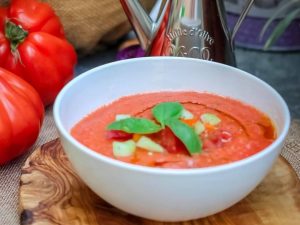
Deviled Eggs
Devilled eggs are a classic festive dish that never fails to impress. With their creamy, tangy filling and beautiful presentation, they are sure to be a hit at any festive gathering.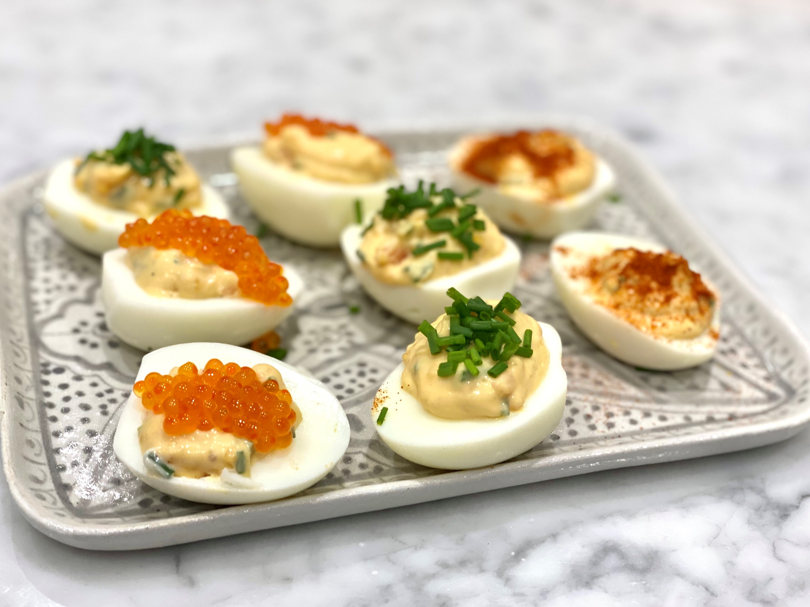
Pure Seeds Crackers
These little bites of goodness are a crowd-pleaser and a great way to kick off any meal or gathering. These crackers are perfectly gut-friendly healthy snacks with a wonderfully satisfying crunch.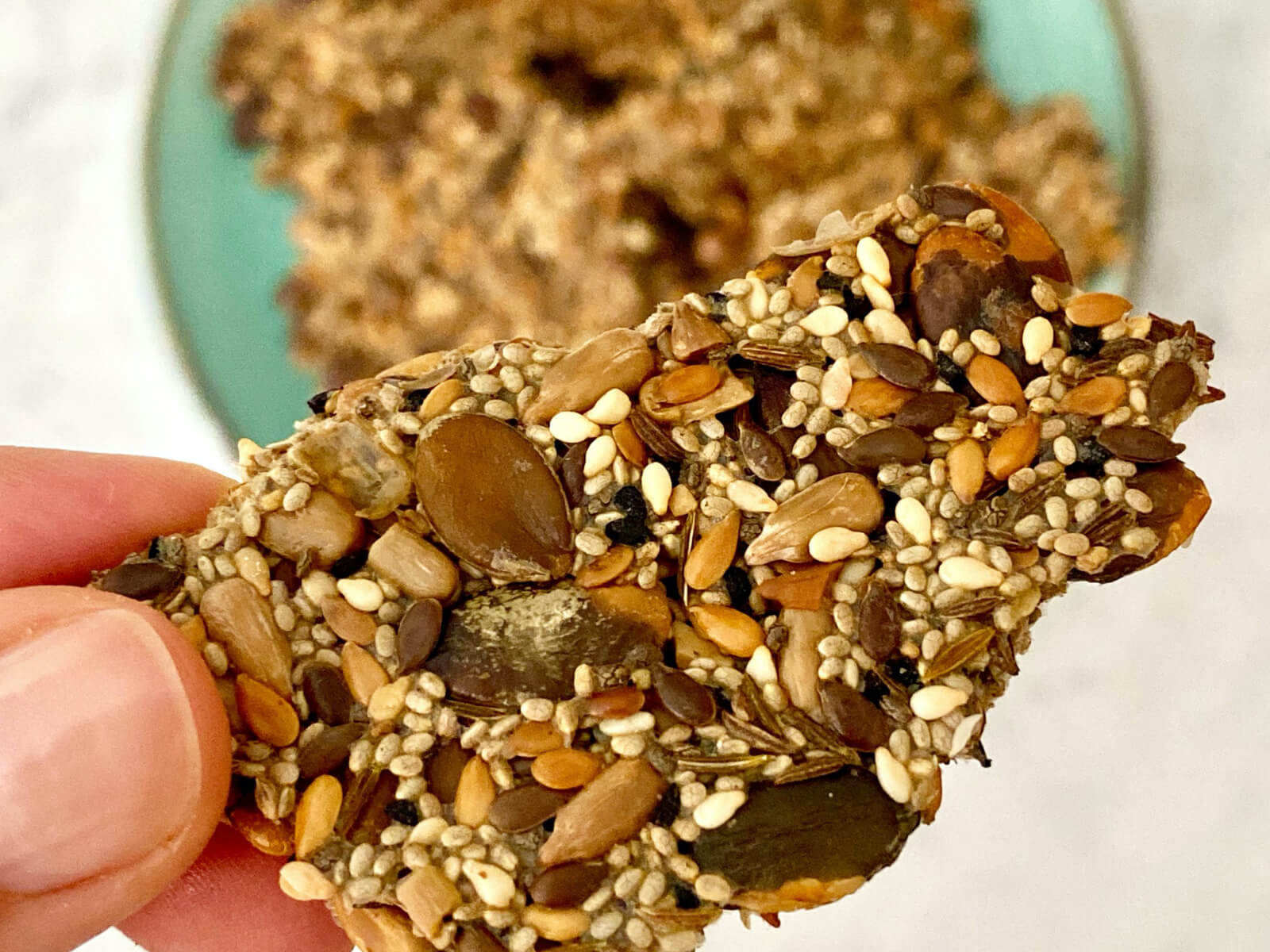
Wild Salmon Spread
This wild salmon spread would work great on the above Pure Seeds Crackers topped with fresh parsley as a festive appetizer.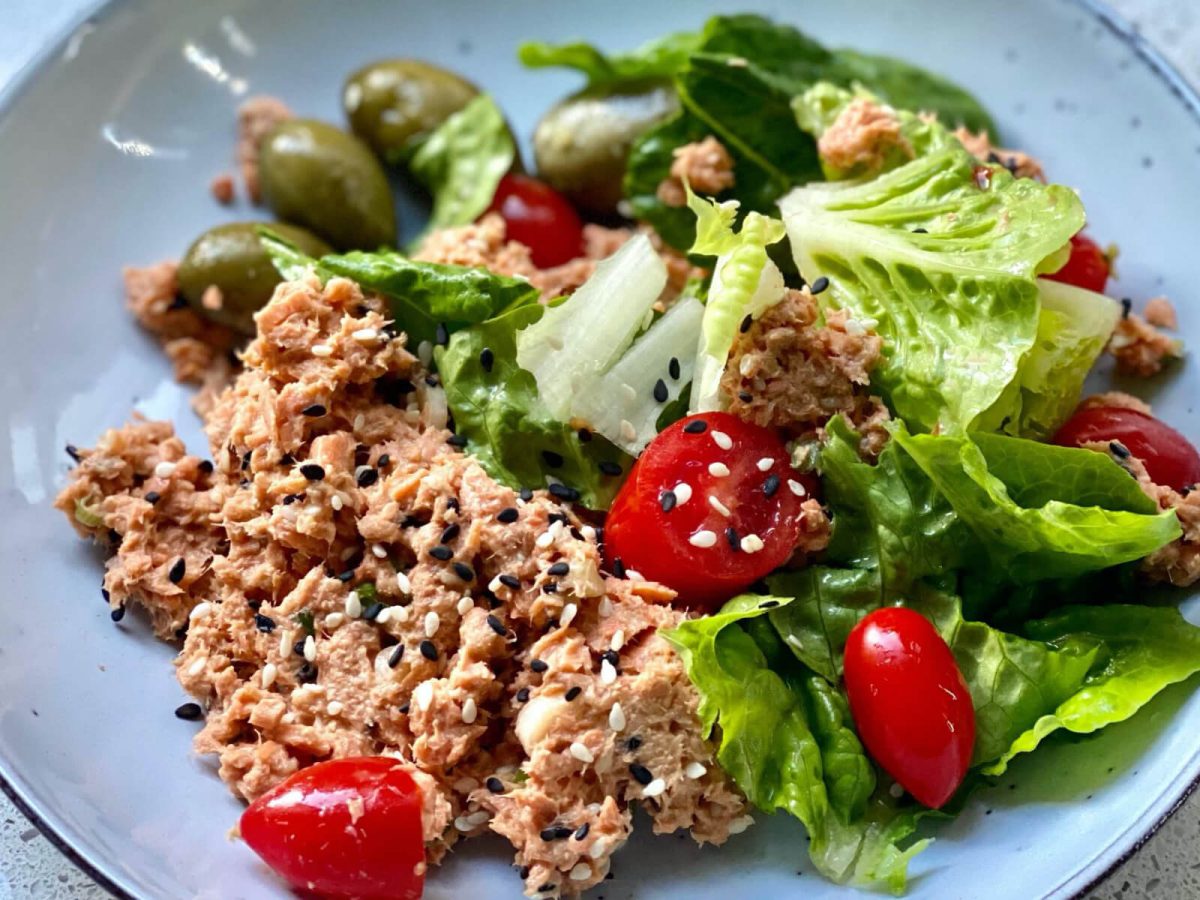
Guacamole
This would work perfectly with the salmon spread for festive, gut-friendly nibbles. You can also serve it on its own with crudites. This guacamole contains no raw onions, which can be hard to digest sometimes, so I hope you all enjoy it!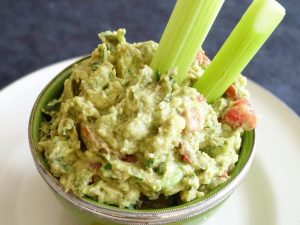
Crab and Salmon Roe Salad
This salad would work great as a starter or served with crackers. Packed with omega-3 rich salmon and crab, this vibrant salad supports digestive health while offering a burst of flavor and color to impress your guests.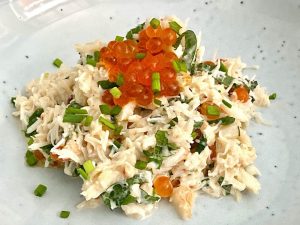
Mains
Roast Christmas Chicken
Christmas Chicken with bacon, a delectable twist on the traditional turkey! This mouthwatering dish will inspire you to create a memorable holiday feast. Succulent chicken, perfectly seasoned and roasted to perfection, wrapped in crispy, smoky bacon. The combination of flavors is simply irresistible.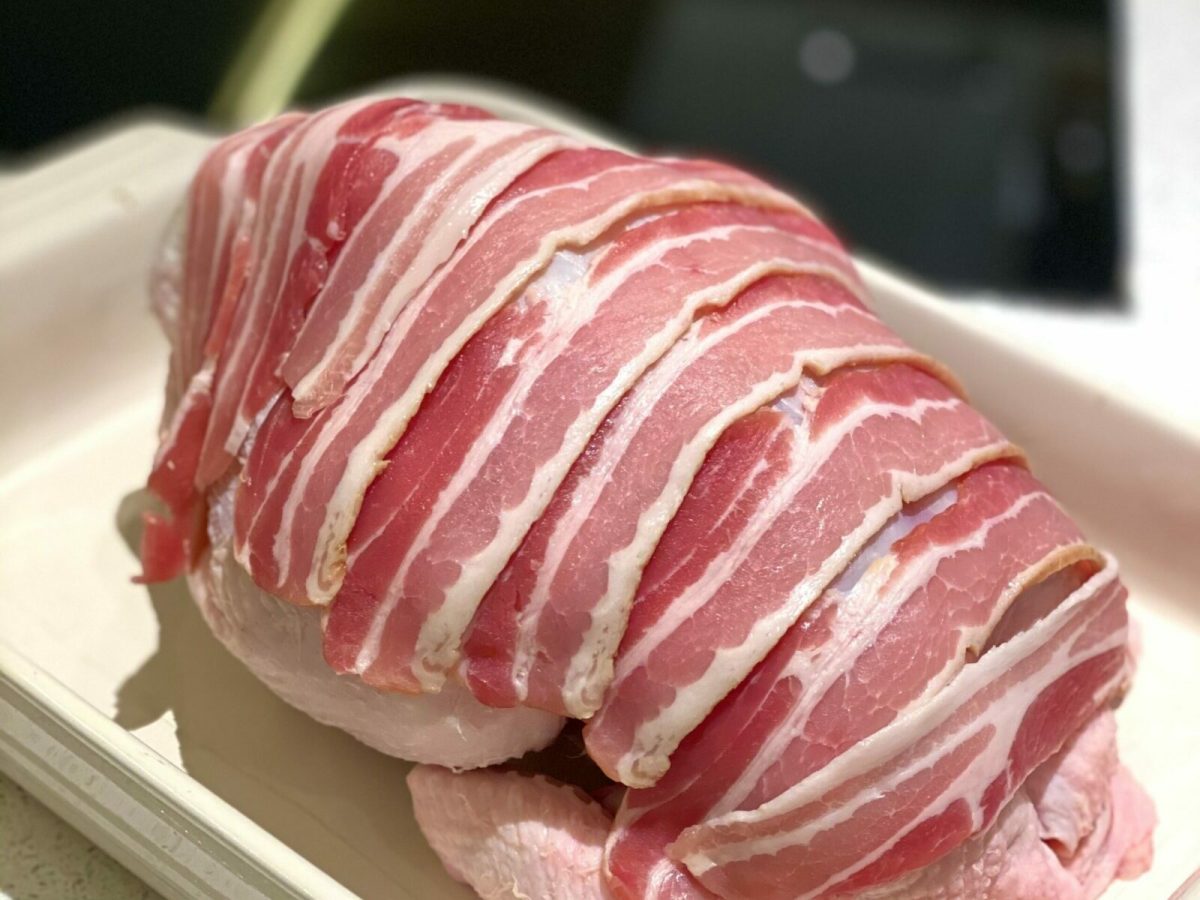
Sides
Brussels Sprouts With Pancetta & Sage
This dish will make a great side and is easy and quick to prepare. I love to make it around this time of the year!
Roasted Carrots and Parsnips With Cumin Seeds
Carrots are incredibly nutritious and are a fantastic prebiotic for your microbiota, reducing inflammation and taking care of your immune system. They are excellent for skin, hair, nails, and eyes and are anti-cancer, anti-inflammatory, and antioxidant. Paired with parsnips, this dish makes a warming side dish to your traditional roast dinner. Especially with the fantastic rich, earthy, warm, and citrus of cumin, the anti-inflammatory spice!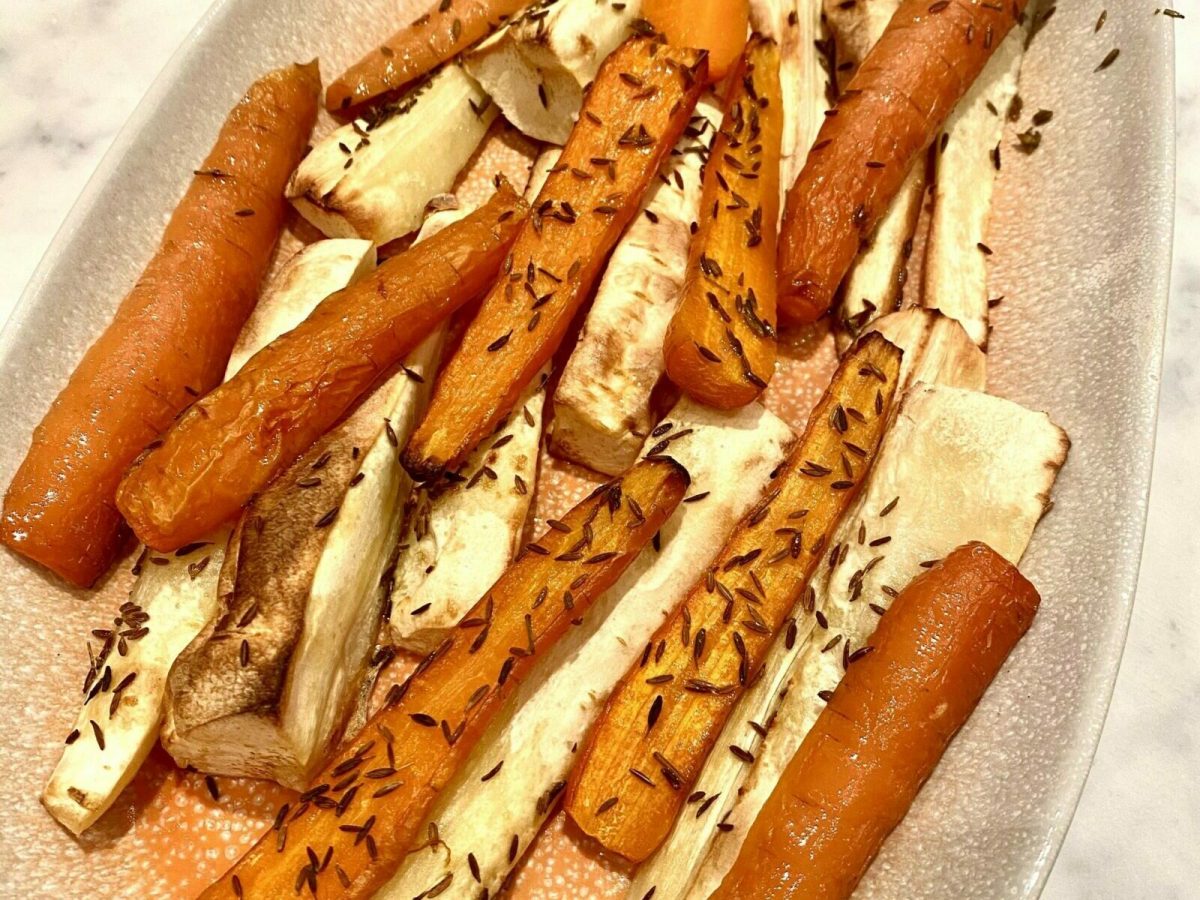
Charred Broccoli with Garlic
This is a wonderful way of preparing this superfood – that will support and protect your gut. This is all you need to do to enjoy sweet potato’s nutrition and taste. Make it in advance and reheat it on the day of serving.
Mashed Swede and Carrot
Packed with fiber, vitamins, and minerals, this dish gentle on the digestive system and helps support a healthy gut microbiome. Make it in advance and reheat it on the day of serving.
Healthy Cranberry Sauce
You have to try this cranberry sauce recipe! It’s caramelized, tangy, woody, and slightly tart, with a deep berry flavor and a slight spice of heady cinnamon.
Desserts
Ginger Cookies
If you are looking for a cookie recipe to make during the Christmas holidays and enjoy with the kids, this is for you! They are grain-free, dairy-free & gluten-free, and they taste delicious! They are perfectly seasoned with a combination of spices. All spices used possess anti-inflammatory properties and offer excellent nutritional benefits!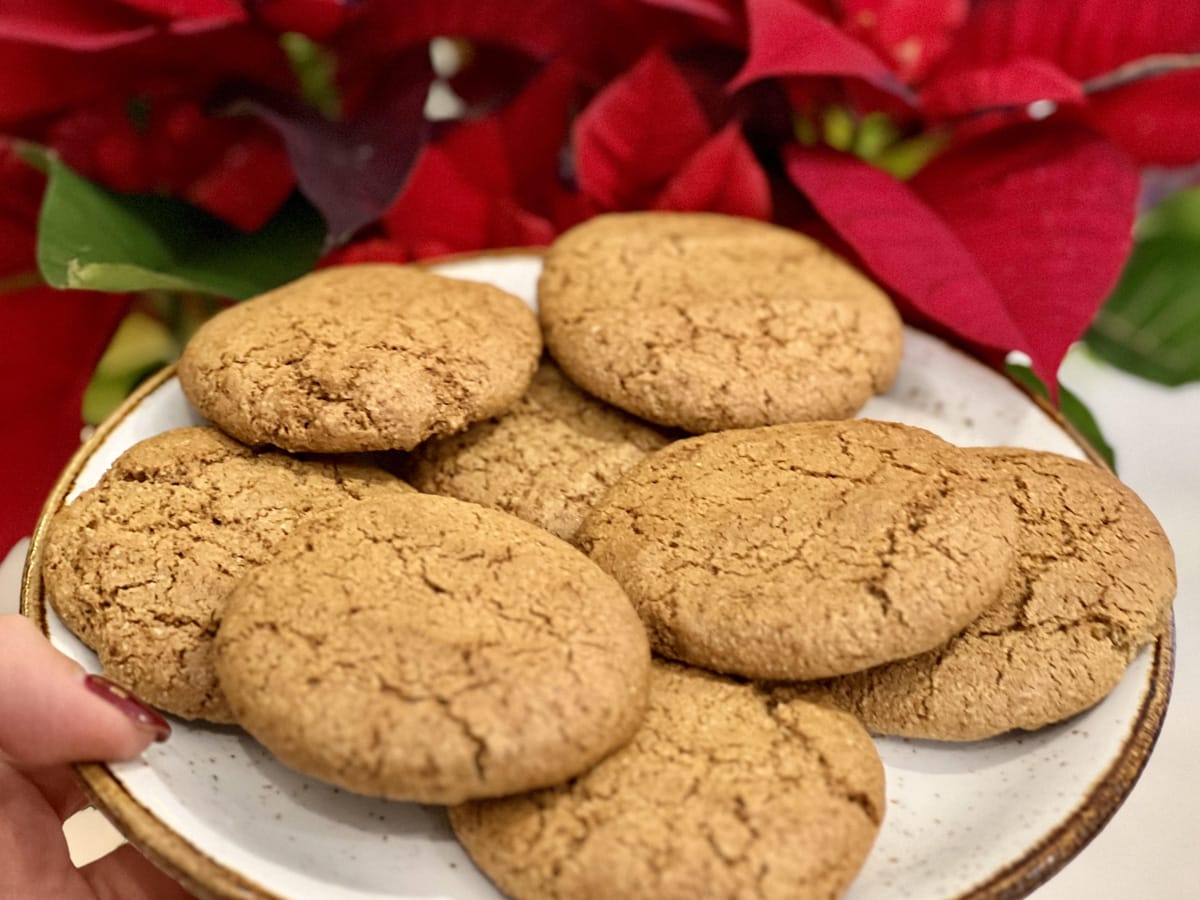
Pumpkin Pie
This anti-inflammatory pie tastes like a delicious traditional dessert, but it is refined sugar-free, gluten-free, dairy-free, grain-free, and GUILT-free! It will leave you feeling satisfied without the symptoms of bloating or overindulgence.
Caramelized Apple and Cinnamon Crumble
I love this recipe with a side of coconut yogurt. It is delicious and uses simple ingredients. Apple and cinnamon are always a winning combo!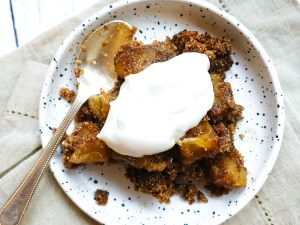
Cinnamon Oranges
What better way to celebrate the season than with the delightful aroma of cinnamon oranges filling the air? Cinnamon oranges are a classic holiday treat that brings a touch of magic to any gathering. The sweet citrus scent combined with the comforting spice of cinnamon creates a symphony of flavors that instantly transports us to a place of happiness and nostalgia.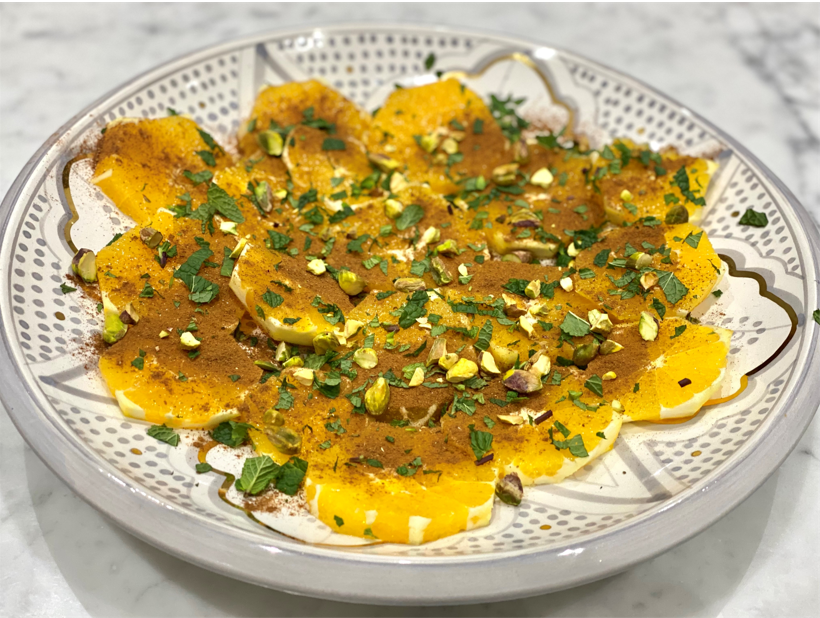
Healthy Speculoos Biscuits
A spectacular speculoos biscuit recipe: the healthy version of the traditional recipe, which means that your gut microbiota will love them, too! The warming, sweet, aromatic, creamy, citrus, peppery, and spicy flavors make these biscuits incredible.
Chocolate Mousse with Olive Oil and Sea Salt
This chocolate mousse is easy to make, delicious, and simple. You can use nice glasses for individual portions and garnish them with nuts, berries, or cacao nibs.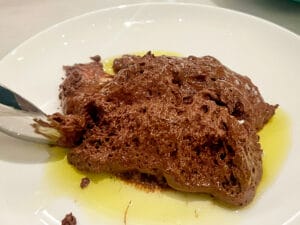 Christmas is a time of celebration and indulgence, but that doesn’t mean we have to compromise our health. All recipes on the Eat Burn Sleep platform are designed to satisfy your taste buds while keeping your gut happy.
Delight your friends, family, and loved ones with flavorful recipes that are easy on your digestive system so you can enjoy your holiday feast comfortably and confidently.
Christmas is a time of celebration and indulgence, but that doesn’t mean we have to compromise our health. All recipes on the Eat Burn Sleep platform are designed to satisfy your taste buds while keeping your gut happy.
Delight your friends, family, and loved ones with flavorful recipes that are easy on your digestive system so you can enjoy your holiday feast comfortably and confidently.
Yalda x
Best Exercise to Lose Belly Fat Quickly
 How can I flatten my tummy?
I get asked this question a lot, and I’m pleased to say that my answer never fails!
Every week, I receive testimonials from members saying they cannot believe their weight loss and the difference in their body shape. This is why I’m writing this article about how you can lose belly fat quickly and get a flat tummy.
How can I flatten my tummy?
I get asked this question a lot, and I’m pleased to say that my answer never fails!
Every week, I receive testimonials from members saying they cannot believe their weight loss and the difference in their body shape. This is why I’m writing this article about how you can lose belly fat quickly and get a flat tummy.

Best Exercise to Lose Belly Fat and Flatten Your Tummy
Before we dive into the exercises, I need to explain the different types of fat we all have. There are two main types: Subcutaneous fat is the fat lying just underneath your skin. It is usually harmless and helps regulate body temperature and protect your bones from injury. Visceral fat lies much deeper in your abdominal cavity. It can build up around your stomach, liver, kidneys, intestines, and inside your arteries. This type of fat behaves in a different way to subcutaneous fat. It releases pro-inflammatory chemicals and hormones, increasing your risk of systemic inflammation, insulin resistance, Type-II diabetes, and heart disease. Women who have had children are more prone to visceral belly fat than women who haven’t. And when a woman reaches menopause, the drop in estrogen encourages more fat deposition in the belly area – regardless of whether you have had kids or not. However, both men and women of all ages can reduce the risk of visceral fat build-up by eating foods that do not contribute to belly fat (and some of it is surprising) while doing exercises to strengthen and tone the abdominal muscles. The key here is consistency. If you want to see positive results, you have to build healthy habits that last. Trends in exercises and exercise machines for losing belly fat and flattening your tummy come and go. They are not all good for your body. Many trendy exercises can inflame your body, increasing your risk of disease. And some exercises may be fine when you are young but less suitable as you age. For example, I was a runner until my physiotherapist put me off by asking if I wanted joint and bladder issues!
What Exercise Should You Do Every Day to Lose Belly Fat?
Forcing yourself through a grueling exercise routine for an hour every day to lose belly fat isn’t as effective as any gentle movements in the movements section. Prolonged, intensive exercise has other drawbacks too. Some studies show that high-intensity exercise releases endorphins linked to increased negative feelings and pain. This could be one of the reasons why many people dread this sort of daily exercise and quickly abandon it. To reduce belly fat and focus on flattening your tummy, start the Six-Week Reset as soon as you can and do these exercises every day: 19-minute Stretch For Digestive Issues 19-minute Core Fire & Body Strength 25-minute Yoga Routine for Bloating & Digestion 31-minute Powerful Core & Glutes 34-minute Arms, Abs & Glutes 26-minute Yoga & Pilates I recommend measuring yourself today and again next week to see the difference! If you do this you cannot go wrong in your quest to reduce belly fat and flatten your tummy.
These powerful movements are easy to follow but do not have you breaking into hot sweats. They are not jarring to your joints and bones so there is no risk of creating future joint issues. Check out the ones with meditations. They are so nourishing to the mind, body, and soul.
If you do this you cannot go wrong in your quest to reduce belly fat and flatten your tummy.
These powerful movements are easy to follow but do not have you breaking into hot sweats. They are not jarring to your joints and bones so there is no risk of creating future joint issues. Check out the ones with meditations. They are so nourishing to the mind, body, and soul.

How To Flatten Your Tummy Quickly
Start the Six-Week Reset as soon as possible, like today. The Six-Week Reset tells you what to eat each day and when to incorporate the exercises and meditation practices. Our Red List of foods identifies the foods that contribute to belly fat. Stick with the Green List foods, with occasional treats from the Orange List and you will be successful! Follow the daily movement plans and focus on the exercises that develop core strength and tone your abdominal muscles. Get out for a walk as often as you can too. Walking complements the EBS lifestyle, helping you reduce belly fat and gain muscle. I love walking, and I share my reasons why in this article: 10 Reasons to Walk. Even a 12-minute Morning Wake-up will do wonders to get you started. As long as you enjoy plenty of the anti-inflammatory foods and drinks listed in the Lifestyle Guide, you will never be hungry.
Sleep and Weight Loss
Remember that you will also sleep better when you follow the Eat Burn Sleep program. Good quality sleep is crucial for healthy weight balance and there are many studies to prove this. Overall, adults who have 7- 8 hours of good quality sleep a night have less visceral belly fat than someone who only has 5 hours or less. Read more about it in this post: Weight Loss & the Link to Sleep. You can age well and have a flat tummy. And it’s never too late to start working toward this. Weight gain can be safely turned around with the right foods, movement, and relaxation. I do all of the above and am in the best shape ever. I don’t do anything extra!
But don’t just take my word for it. Check out our members’ reviews from people like Ingrid, Selima, and Julie…
“EBS not only helped me mentally, but it also gave me the push I needed to finally take control of my drinking. I used to love a drink at the end of a busy day, but it got so easily out of hand for me and I felt so well by following the lifestyle that I decided I didn’t need to do it anymore. That was last June and I’ve never felt better.
My weight has always been between 9.7 and 10 stone and as a result, it’s now been 8st for the last few months.” Ingrid
“I can’t thank you enough for all the goodness you’ve brought to my life. Feeling so good after a three-year burnout and three kids, thanks to your food and motivational insights. Plus, 10 kilos down with very little effort postpartum!
Thank you!!!” Selima
“I am so impressed with what the EBS lifestyle has done for my body. My husband, family, and friends have all noticed as well. Nearly 5 months later and weighing a healthy 12lbs less than when I started, I love it!” Julie
You can age well and have a flat tummy. And it’s never too late to start working toward this. Weight gain can be safely turned around with the right foods, movement, and relaxation. I do all of the above and am in the best shape ever. I don’t do anything extra!
But don’t just take my word for it. Check out our members’ reviews from people like Ingrid, Selima, and Julie…
“EBS not only helped me mentally, but it also gave me the push I needed to finally take control of my drinking. I used to love a drink at the end of a busy day, but it got so easily out of hand for me and I felt so well by following the lifestyle that I decided I didn’t need to do it anymore. That was last June and I’ve never felt better.
My weight has always been between 9.7 and 10 stone and as a result, it’s now been 8st for the last few months.” Ingrid
“I can’t thank you enough for all the goodness you’ve brought to my life. Feeling so good after a three-year burnout and three kids, thanks to your food and motivational insights. Plus, 10 kilos down with very little effort postpartum!
Thank you!!!” Selima
“I am so impressed with what the EBS lifestyle has done for my body. My husband, family, and friends have all noticed as well. Nearly 5 months later and weighing a healthy 12lbs less than when I started, I love it!” Julie
 Do you want results like these? Get started on your flat belly TODAY! Take a look at the program and check out our membership options now.
Once you’ve joined, you can catch the Masterclass Lives on How to Stay Fit Beyond 35, Perimenopause & Menopause Weight Loss, How to Get Rid of Cravings and Emotional Eating.
You might also enjoy:
Does Cortisol Cause Weight Gain?
How Much Does Inflammation Affect Weight Loss?
Is AG1 Supplement Good For You?
With love for your weight loss journey,
Yalda x
Do you want results like these? Get started on your flat belly TODAY! Take a look at the program and check out our membership options now.
Once you’ve joined, you can catch the Masterclass Lives on How to Stay Fit Beyond 35, Perimenopause & Menopause Weight Loss, How to Get Rid of Cravings and Emotional Eating.
You might also enjoy:
Does Cortisol Cause Weight Gain?
How Much Does Inflammation Affect Weight Loss?
Is AG1 Supplement Good For You?
With love for your weight loss journey,
Yalda x
 Yalda Alaoui is a qualified Naturopathic Nutritionist (with a foundation in Biomedicine) who studied with the College of Naturopathic Medicine in London. She has spent over a decade performing groundbreaking research in chronic inflammation and gut health.
How to Deal With a Hangover
 Hi Everyone,
Do you enjoy socializing with a drink? So do I! I am not a big drinker and it doesn’t take much to make me feel unwell after a night out. But as with many things in life, it’s all about moderation and having fun.
Let’s face it, we are not perfect and hopefully never will be. Life wouldn’t be life without ups and downs, boring times, and fun times! And I have a top tip for managing drinking and socializing: drink less and have more fun.
It’s important to socialize and see people. It benefits your mental health and strengthens your immune system. And for many people, socializing goes hand in hand with enjoying a drink. Because of this, small amounts of alcohol are allowed as part of the Eat Burn Sleep lifestyle.
Of course, the downside of having a drink is feeling rough the next day! If you want to know how to deal with a hangover, this post is for you.
Hi Everyone,
Do you enjoy socializing with a drink? So do I! I am not a big drinker and it doesn’t take much to make me feel unwell after a night out. But as with many things in life, it’s all about moderation and having fun.
Let’s face it, we are not perfect and hopefully never will be. Life wouldn’t be life without ups and downs, boring times, and fun times! And I have a top tip for managing drinking and socializing: drink less and have more fun.
It’s important to socialize and see people. It benefits your mental health and strengthens your immune system. And for many people, socializing goes hand in hand with enjoying a drink. Because of this, small amounts of alcohol are allowed as part of the Eat Burn Sleep lifestyle.
Of course, the downside of having a drink is feeling rough the next day! If you want to know how to deal with a hangover, this post is for you.

Why Am I So Hungry With a Hangover?
If you’re like me, after a couple of glasses of wine, you won’t care about watching what you eat. And the next day you feel so ravenous you wolf down food and don’t feel full. So what’s going on? There are a few reasons why a hangover makes you feel hungry:- Alcohol is essentially liquid sugar. When you enjoy a few drinks the sugar floods into your bloodstream, elevating your blood sugar levels. A few hours later, your blood sugar levels fall rapidly, leaving you hungry for starchy foods.
- Alcohol is dehydrating. Dehydration can make you crave food as the body sometimes mistakes thirst for hunger.
- Sleep is badly affected by alcohol – especially deep, restorative sleep. You might feel drowsy and fall asleep quickly, but your normal cycles of deep sleep and lighter sleep will be disrupted.
- Poor quality sleep affects your hunger and satiety hormones. Without good sleep, you will have more ghrelin (the hunger hormone) and less leptin (the satiety hormone). You may be interested in reading about how good, regular sleep helps you lose weight.
- Your liver has to work hard to detoxify alcohol. This process uses up a lot of energy and nutrients so it makes sense that your body craves food to keep up with this demand.

How To Recover From a Hangover
Firstly, don’t feel guilty or beat yourself up. You’ve had a great time, and life is to be enjoyed. Overindulging happens. If you can begin your hangover recovery plan before you go to sleep, that is a great start. When you get home, drink plenty of water with added electrolytes. Electrolyte minerals like magnesium and potassium help your body to rehydrate faster than if you drink plain water. You can see which electrolyte products I recommend on the Yalda Loves page and I also use this simple homemade electrolyte mixture. Sometimes I take a dose of Alka seltzer* too, to prevent acid indigestion. All the sugar in the alcohol is a big trigger for reflux. When you get up the next morning, repeat the above. You need to rehydrate and not overtax yourself. (*Please check with your doctor before taking any over-the-counter medicines.)
What to Eat the Morning After
When I wake up with a hangover, I crave sugar badly, and the last thing I want to eat is something healthy like eggs and salmon! So, I make my super yummy and nutrient-dense coconut protein shake. It satisfies all my sweet cravings while stabilizing my blood sugar levels. Other great breakfast options include:
Bananas are packed with magnesium, vitamin B6, and fiber.
Avocados are another great source of fiber, magnesium, and potassium to help optimize energy levels and blood pressure.
Almonds for fiber, B vitamins, and antioxidant vitamin E.
And if you can face them, eggs! Boiled, scrambled, poached, or in our delicious Shakshuka recipe.
Eggs are a fantastic source of protein, B vitamins, and glutathione – our master antioxidant nutrient. Your liver needs plenty of glutathione and B-vitamins to detoxify alcohol so it’s a good idea to top up after a night out.
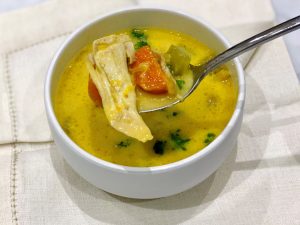
Later on, you could enjoy a bowl of our Immune Boosting Chicken Soup. It’s hydrating and packed with liver-health ingredients like egg yolk, turmeric, carrots, lemon, and olive oil.
Other great breakfast options include:
Bananas are packed with magnesium, vitamin B6, and fiber.
Avocados are another great source of fiber, magnesium, and potassium to help optimize energy levels and blood pressure.
Almonds for fiber, B vitamins, and antioxidant vitamin E.
And if you can face them, eggs! Boiled, scrambled, poached, or in our delicious Shakshuka recipe.
Eggs are a fantastic source of protein, B vitamins, and glutathione – our master antioxidant nutrient. Your liver needs plenty of glutathione and B-vitamins to detoxify alcohol so it’s a good idea to top up after a night out.
Later on, you could enjoy a bowl of our Immune Boosting Chicken Soup. It’s hydrating and packed with liver-health ingredients like egg yolk, turmeric, carrots, lemon, and olive oil.
 You want to fill your body with nutrients and resist the urge to eat junk food. Junk food is precisely that – junk. Ultimately, it will make you feel worse.
You don’t want to punish yourself. Nourish yourself. Eat Burn Sleep’s anti-inflammatory foods deliver what your body needs when you have a hangover.
Members: There’s an Overindulgence Recovery Protocol in the Membership Section, which also covers recovering from overindulging in food.
Non-Members/Members: You could make these egg muffins before your evening out so that you have a healthy snack on hand when you get home.
You want to fill your body with nutrients and resist the urge to eat junk food. Junk food is precisely that – junk. Ultimately, it will make you feel worse.
You don’t want to punish yourself. Nourish yourself. Eat Burn Sleep’s anti-inflammatory foods deliver what your body needs when you have a hangover.
Members: There’s an Overindulgence Recovery Protocol in the Membership Section, which also covers recovering from overindulging in food.
Non-Members/Members: You could make these egg muffins before your evening out so that you have a healthy snack on hand when you get home.
What to Drink When You Have a Hangover
Water is the most important drink to help relieve a hangover. Drink it plain or add slices of fresh lemon for a boost of vitamin C. Coffee can add to blood sugar imbalance but if you really want one, have one. Just be sure to have it after a meal and not on an empty stomach. Green tea has more antioxidants than other forms of tea. It’s a good option for maintaining healthy blood pressure, regulating blood sugars, and optimizing your metabolism (among many other health benefits). The caffeine in green tea is counterbalanced by an amino acid called theanine. Theanine soothes your nervous system to help you feel alert and calm at the same time.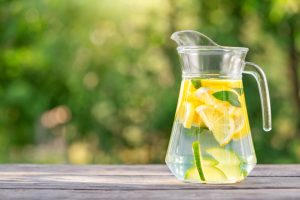
Get Moving and Shake Off That Hangover
Gentle movement and exercise will get your blood flowing and boost your endorphins (those happy mood chemicals). Aim for a gentle workout, light jog, or easy yoga session. If you can get outside in the sunshine, all the better. Natural daylight and vitamin D will help your body get back into its normal rhythms. Then, later in the day, Eat Burn Sleep members can relax and enjoy a soothing meditation bath before bed.
What to Drink to Avoid a Hangover
What are the best drinks to have to avoid a hangover? Wine, beer, spirits? Or just let go and enjoy a few cocktails? Here’s what I do on a night out with friends… 1/ Alternate water and alcoholic drinks to avoid becoming dehydrated. A little trick is to order sparkling water with ice and a slice of lemon so people assume you are drinking alcohol (and you aren’t being a joy killer) when, in fact, you are taking a little break and having water. 2/ Steer clear of cocktails I try to steer clear of cocktails because they are loaded with sugar, and I would prefer to save those calories for a nice paleo muffin the next day! Sugar makes everything worse because it disrupts the healthy bacteria in your gut. Drinking sugary cocktails is a surefire way to feel even worse the next day. If you love cocktails, try switching to plain spirits like vodka, tequila, and gin with soda water, lime, or a drop of cordial. That amount of cordial is fine compared to how much sugar there would be if it were a cocktail. Again, it is about moderation and finding the right middle ground. 3/ Limit wine and champagne As much as I love a good glass of wine, I only have one. Maybe two! My health issues make me feel how much yeast and sugar (from the fructose) there is in those drinks, and I invariably feel it the next day. But if you are dining out, by all means, do enjoy some good wine. I hope this was helpful to you. If you have any tips, please share them in our members’ health community or drop me a message on Instagram.
Don’t forget to smile and enjoy having a fantastic social life!
I chat about the importance of socializing with Nick Potter in the podcast about the behavioral immune system. It’s fascinating! We talk about the immune system, gut health, and socializing (amongst many other things!). Definitely worth a listen!
You may also like these articles:
Also, if you find that you are regularly getting hungover and feeling anxious or depressed, please know that we have personalized advice for depression on this platform. Plus, Insomnia and 30+ other conditions.
Enjoy your night out!
Yalda x
I hope this was helpful to you. If you have any tips, please share them in our members’ health community or drop me a message on Instagram.
Don’t forget to smile and enjoy having a fantastic social life!
I chat about the importance of socializing with Nick Potter in the podcast about the behavioral immune system. It’s fascinating! We talk about the immune system, gut health, and socializing (amongst many other things!). Definitely worth a listen!
You may also like these articles:
Also, if you find that you are regularly getting hungover and feeling anxious or depressed, please know that we have personalized advice for depression on this platform. Plus, Insomnia and 30+ other conditions.
Enjoy your night out!
Yalda x
About the Author
Yalda Alaoui is a qualified Naturopathic Nutritionist with a foundation in Biomedicine. She studied with the College of Naturopathic Medicine in London and has spent over a decade performing groundbreaking research in chronic inflammation and gut health.Is AG1 Supplement Good for You?
 Hi Everyone,
I am often asked, “Is AG1 supplement good for you?” And I have to say no! When I first saw it (I like to keep up to date with new products so I ordered a packet for myself) I was horrified by the ingredients. I was so horrified that I returned the product. Let me explain so you can learn how to spot problematic ingredients too.
Hi Everyone,
I am often asked, “Is AG1 supplement good for you?” And I have to say no! When I first saw it (I like to keep up to date with new products so I ordered a packet for myself) I was horrified by the ingredients. I was so horrified that I returned the product. Let me explain so you can learn how to spot problematic ingredients too.
What is AG1?
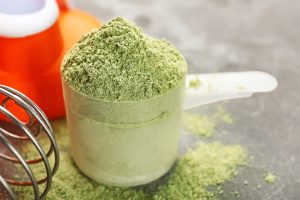
AG1 is a multivitamin and herbal powder formula that you mix with water to make a healthy drink. It is heavily endorsed by doctors and celebrities and marketed with phrases such as ‘Promotes Gut Health,’ ‘Supports Immunity,’ and ‘Helps Recovery.’ But the extensive list of ingredients doesn’t stack up to be as healthy as it makes out.Are Supplements Safe?
Is AG1 Good or Bad for You?
The Risks of Taking AG1
Why the AG1 Ingredient Soy Lecithin Has Health Risks
How is Soy Lecithin Produced?
Is Inulin, Another AG1 Ingredient, Safe?
Are Supplements Safe?
Firstly, everyone needs to know that supplements are not FDA-approved (Food and Drug Administration). Supplement manufacturers are responsible for their products’ safety but do not need to prove their safety. Nor do they need to prove the effectiveness of the supplements. A supplement manufacturer may do business with another manufacturer who may verify the safety of their ingredients before they use them. But the other manufacturer does not have to prove the safety of their ingredients, either. The Food and Drug Administration provides no safety certification for supplement formulas – or their ingredients, including additives. Additives have never been rigorously tested. For reassurance, I always advise using a trusted brand, like Minami or Solgar who extensively research their ingredients and products. You can see more brands I love and trust on my Yalda Loves page. However, no matter how good a supplement is, it cannot replace a healthy diet and lifestyle. Also, please ask yourself what you want from your supplement. For instance, you can easily reach your weight loss goals, manage depression, ease pain, optimize energy levels, and discover glowing skin by following the EBS anti-inflammatory lifestyle! The effects are incredible, and they keep on coming!
What Do Supplements Contain?
Many popular supplements contain unnecessary excipients, fillers, stabilizers, bulking agents, and preservatives. A supplement company can get away with using cheap additives because they don’t have to comply with any food and drug laws. This lack of regulation and use of cheap filler ingredients is partly why supplement manufacturing is a billion-dollar industry! It is essential to know what to look for in a good quality supplement and to spot cheap, unnecessary ingredients. I urge you not to be swayed by endorsements from doctors or celebrities or to buy things online without understanding the ingredients.Is AG1 Good For You?
AG1 has been around for a while, is recommended by doctors, and has famous people as investors. So, there’s a lot to ‘trust’ about the brand. Endorsed by Dr. Chatterjee, Dr. Mark Hyman, Huberman Lab, and Dr. David Sinclair, it is not a surprise that their revenue numbers are apparently through the roof. Doctors are telling you that it is good for you. AG1 was founded in 2010 and was originally called Athletic Greens. It is a blend of 75 vitamins, minerals, superfoods, probiotics, and adaptogens, with no GMOs, herbicides, pesticides, artificial colors, flavors, or preservatives. According to their website, AG1 is made from the highest quality ingredients under the strictest standards – but bear in mind that there are no strict standards in place by the FDA.
The Risks of Taking AG1
Supplements are huge money-makers, and the manufacturers don’t need to prove their safety. Even when taking supplements from ‘reputable’ brands, it’s always wise to ensure that you go over the ingredients with your nutritionist or healthcare provider. This minimizes the risk of :- Contraindications with medications or other supplements.
- Accidentally taking too much of a vitamin or mineral.
- Sensitivities to ingredients that are not classed as dangerous to health.

Why the AG1 Ingredient Soy Lecithin Has Health Risks
Soy lecithin is added to products as an emulsifier, not for health benefits. You could argue that AG1 is using it for this reason and the good ingredients will outweigh any harmful effects. But, soy lecithin is the second largest ingredient in the supplement! Research is ongoing into the impact of emulsifiers like soy lecithin on health, but so far we know that:- Higher levels of soy lecithin encourage Enterococcus and Clostridium bacteria in the microbiota. These are pathogenic and lead to disease.
- Soy lecithin is associated with a decline in the diversity of the gut microbiome (Miclotte et al, 2020).
- By disrupting the microbiome, emulsifiers contribute to a pro-inflammatory state and the development of Metabolic Syndrome (Miclotte et al, 2020).

How is Soy Lecithin Produced?
To make soy lecithin you must first extract soybean oil from raw soybeans using an industrial solvent. The oil then goes through a process called degumming. This involves mixing water with the oil until the lecithin separates from it. After that, the lecithin is then dried and often bleached. The DNA in soy lecithin is degraded during this process, so it is impossible to tell whether it is GMO or not. Also, I am not sure what AG1 means by premium soy lecithin.Is Inulin, Another AG1 Ingredient, Safe?
The other AG1 ingredient linked to health issues is inulin, the fourth ingredient listed. Inulin is a prebiotic fiber that can alter your microbiota. In some instances this can be helpful but if your microbiome is already out of balance there is the risk of feeding the harmful microbes. Animal studies show that inulin disturbs systemic cholesterol and bile acid metabolism and may have detrimental effects on liver function. (Pauly et al., 2020). And be careful if you have digestive problems as inulin can cause bloating, excess wind, cramps, and diarrhea (WebMD).
Again, many articles state the health properties of inulin. It is important to run through ingredients with your nutritionist (or contact us if you are a member) to make sure they are right for you and your specific health needs.
Reading one of AG1’s clever marketing statements “AG1 empowers the gut for whole body health” I’m afraid I have to disagree. Soy lecithin disempowers your gut, increasing the risk of disease. But I do agree with their statement: We can’t achieve a healthier everything else without a healthy gut.
Animal studies show that inulin disturbs systemic cholesterol and bile acid metabolism and may have detrimental effects on liver function. (Pauly et al., 2020). And be careful if you have digestive problems as inulin can cause bloating, excess wind, cramps, and diarrhea (WebMD).
Again, many articles state the health properties of inulin. It is important to run through ingredients with your nutritionist (or contact us if you are a member) to make sure they are right for you and your specific health needs.
Reading one of AG1’s clever marketing statements “AG1 empowers the gut for whole body health” I’m afraid I have to disagree. Soy lecithin disempowers your gut, increasing the risk of disease. But I do agree with their statement: We can’t achieve a healthier everything else without a healthy gut.
Beware of Marketing Words!
They could cost you your health. The key takeaways here are:- The FDA does not regulate supplement companies and their products.
- Marketing slogans exist purely to make you buy the product.
- Always read the ingredients list on any supplement carefully and speak to your healthcare practitioner (or us, if you are an EBS Member) before taking them.
- Taking supplements – even those endorsed by doctors and famous people – may leave your body susceptible to disease if they contain potentially harmful ingredients.
AG1 or Eat Burn Sleep – Which is the Best Investment For Your Health?
Consider how much it will cost you to make you unhealthy in the long run:- AG1’s ‘BEST VALUE’ package is for two people at £2,328.00 ($2,796.70) a year.
- For a single subscription (at the time of writing, there was an offer of £79 per month), which is £948.00 (approx.$1,140) a year for a ‘health’ supplement!
- Our Premium EBS Membership, which gives you access to everything you need to support your health, is only £250 a year, without health risks and long-term positive effects.
“I am really impressed with the quality of your work and couldn’t agree more with your principles. Your ability to formulate a lifestyle strategy around improving health is outstanding. EBS is an excellent professional platform sustained with thorough research and scientific information. You not only cover research for anti-inflammatory nutrition but for all medical conditions. This demonstrates how what we eat contributes to their regression or progression as chronic illness.”Do take care. Your health is precious. Have a great day!
Yalda Alaoui is an expert Naturopathic Nutritionist (with a foundation in Biomedicine) who studied with the College of Naturopathic Medicine in London. She has spent over a decade performing groundbreaking research into chronic inflammation and gut health.
Is Stress Always Bad For Your Health?
 When you hear the word “stress” do you think it’s good or bad? I believe most people think of stress as bad. And this makes sense, given that we talk about feeling stressed when we’re tense, angry, and frustrated. But what a lot of people don’t know is that there are different types of stress. So, is stress always bad for your health or are there some benefits?
Good Stress Vs. Bad Stress
It was Dr Hans Selye who first identified the negative effects of bad stress on the body. He identified 3 distinct stages of stress (Tan and Yip, 2018): 1. The alarm stage: Your initial response to a stressful situation. 2. Resistance phase: Your body attempts to adapt to being under stress by maintaining elevated levels of stress hormones. 3. Exhaustion: You exceed your capacity to cope with the stress and reach burnout. Many of the clients I see for executive nutrition coaching are in the resistance phase or the exhaustion phase. They have been under a great deal of negative stress for a long time and simply don’t have the resources to keep going anymore. However, at the other end of the scale is eustress or good stress. This is the kind of short-term stress that provides a sense of achievement, growth, or fulfillment. Eustress is the buzz you get when you achieve something significant and challenging like completing a new work project or mastering a new skill. Regular bouts of positive stress keep you alert, motivated, and interested in life.
Stress, Immunity, and Inflammation
Stress hormones like cortisol interact with your immune system and inflammatory processes. In the short term, positive stress can help to keep your immune system working efficiently. The “fight or flight” response that kicks in when we encounter stress is designed to help us survive. Small amounts of short-term stress prime the immune response and help you fight invading pathogens effectively (Dhabhar, 2014). And the little bit of oxidative stress that occurs during this response is dealt with before it causes too much inflammatory damage. Problems arise when stress becomes negative and long-lasting. Scientists estimate that 75-90% of human diseases are linked to stress, with stress-induced inflammation being the root cause of many of these conditions (Liu, 2017). Chronic stress can increase your risk of:What Turns Good Stress Into Bad Stress?
We all respond to stress differently and have a unique capacity to cope. What feels like negative stress for one person may be a positive thrill for another, and vice versa. In general, though, good stress starts to become harmful when it is prolonged and you don’t give yourself the right resources to cope with it. The resources we need to manage long-term stress are rest, good quality sleep, regular daily movement, relaxation, and of course, the right kinds of foods.
How to Stop Bad Stress From Ruining Your Health
If you’re dealing with ongoing stress, it is important to pay attention to these resources. Here on the EBS platform, we have all the resources you need to prevent the negative effects of stress:- Movement videos help you stay fit, strong, and active without intensely stressing your body.
- Guided meditations to help you relax, rest, and get a good night’s sleep.
- Health Masterclasses that offer support for specific conditions.
- Videos explaining key health concepts and nutrition trends.
- Meal plans, food lists, and recipes are designed to nourish your energy levels, mental well-being, hormone health, and resilience to stress.
 Following a holistic anti-inflammatory lifestyle like the Eat Burn Sleep approach is the best option for building resilience to stress. Our members see fantastic results with their health and feel empowered by the wealth of information available on the platform.
This is what EBS Member Mahget has to say:
Following a holistic anti-inflammatory lifestyle like the Eat Burn Sleep approach is the best option for building resilience to stress. Our members see fantastic results with their health and feel empowered by the wealth of information available on the platform.
This is what EBS Member Mahget has to say:
I follow your EBS platform, and if anyone is undecided, jump in. Just do it. I read all labels now, and when you think something is too good to be true, it usually is, especially when the ingredients list ends with emulsifiers, gums, and all the things that cause inflammation. We tend to trust people in white coats or athletes, but clearly, they are being paid to support something that is not good for us. The Eat Burn Sleep platform educates us on what is good and what is not. Thank you, Yalda, your EBS approach is spot on.Don’t let the negative effects of bad stress destroy your health. Explore our membership options here and discover how to create the diet and lifestyle you need to stay strong and resilient. Find out more about the benefits of the EBS lifestyle approach in these podcast episodes and articles: Podcast – Using Sounds to Calm Your Mind Podcast – Unstressable Depression, Anxiety, and Gut Health Does Cortisol Cause Weight Gain? With love, Yalda x
The Irritable Bowel Syndrome Self-Care Diet
 Are you one of the millions of people who suffer from Irritable Bowel Syndrome? This common condition affects 5-10% of the world’s population, with women more commonly affected than men. There’s a vast amount of diet advice on the internet for IBS sufferers, but unfortunately, a lot of it is not backed by scientific evidence. So, what is the best Irritable Bowel Syndrome self-care diet? Let’s find out.
What is Irritable Bowel Syndrome?
Irritable Bowel Syndrome (IBS) is the name of a group of symptoms that affect your small and large intestines (also called the colon). The symptoms are:- Pain
- Bloating
- Alternating constipation and diarrhea
- Excess gas
- Noisy, rumbling sounds and sensations (borborygmus)
- IBS-D is characterized by predominantly soft, watery stools and diarrhea.
- IBS-C causes constipation and dry stools that are harder to pass.
- IBS-M is a mixture of both constipation and diarrhea.

What Causes IBS?
Most IBS sufferers have a combination of triggers for their symptoms. These range from stress, processed food, and poor sleep to anxiety, food intolerances, and pre-menstrual syndrome (PMS). Some people develop IBS after a bout of food poisoning or a gut infection. There is, however, one clear connection between these triggers: They all affect the balance and diversity of the gut microbiome. The billions of different microbes that make up your gut microbiome are responsible for digestive health, bowel regularity, immune health, managing inflammation, and supporting mental well-being. Your gut hosts around 70% of your immune cells and produces 60% of your neurotransmitters. These gut bugs are critical to health! When they are disrupted, they can trigger inflammation and unpleasant IBS symptoms (Menees et al, 2018).What Else Might be Causing These Symptoms?
The symptoms of IBS are similar to many other bowel conditions and it’s important to have these issues ruled out by your doctor: Inflammatory Bowel Disease (IBD). Diverticulitis. Celiac Disease. Bowel and ovarian cancer. Polycystic Ovarian Syndrome. Parasite infection.Why is an Anti-Inflammatory Diet Important for IBS?
Although IBS isn’t classed as an inflammatory bowel disorder, research shows that low-grade inflammation is involved in the development and progression of the condition (Ng et al, 2018). So, where does this inflammation come from? As I mentioned before, your gut microbiome plays a key role in regulating inflammation in the digestive system and throughout your body. When the gut microbes are disturbed by stress, infection, poor diet, chronic lack of sleep – or any other triggers associated with IBS – inflammation occurs. Because of this, the best diet for IBS is one that:- Reduces inflammation.
- Contains the nutrients you need to manage stress and optimize mental well-being.
- Supports a healthy, balanced gut microbiome.
The Best Irritable Bowel Syndrome Self-Care Diet
If you are overwhelmed by nutrition advice for IBS and gut health, I urge you to start with our Eat Burn Sleep program. The Eat Burn Sleep anti-inflammatory lifestyle is the best safe, natural, long-term, 360-degree treatment for Irritable Bowel Syndrome. The program includes extensive food lists, meal plans, and recipes based on anti-inflammatory foods. These foods support healthy gut function and help you build resilience to stress. Our Movement videos help you stay active and strong without causing additional stress to your body. After all, stress is a major trigger for IBS, and exercising too intensely can be unhelpful. And if anxiety and poor sleep are worsening your IBS, our Meditation Guides are perfectly suited to support relaxation and restful, restorative sleep. Your gut does a lot of ‘housekeeping’ work while you sleep and proper rest is vital for managing IBS. Still unsure whether EBS can help? This is what EBS member Pina says about our program…The IBS and Digestive Issues Masterclass was amazing. Great information on what to avoid during flare-ups. The sugar and fiber were an eye-opener for me. This is why I always renew my membership!And Naouel no longer has stomach aches and bloating:
I used to have stomach aches after each meal and I no longer have these. I lost 16kg in one year with no feeling of being hungry or frustrated and I have no more bloating. I move, work, socialize, and face problems with no effect on my health whatsoever. I have not taken painkillers or pills since I have been following the EBS lifestyle. An amazing life change!If you’d love to have results like these, check out what’s on offer in our membership options here and say goodbye to IBS for good. Wishing you well, Yalda x
Can Diet Help Relieve Hay Fever?
 Spring is here which means seasonal allergies are too! Tree, grass, and weed pollen make life miserable for millions of hay fever sufferers every year, causing sneezing fits, sore throats, and stuffy noses. Antihistamine drugs may help but often have side effects like drowsiness. But what about food? Can diet help relieve hay fever?
What Is Hay Fever?
Hay fever, or seasonal allergic rhinitis as it is officially known, occurs when your immune system reacts to pollen from grasses, trees, flowers, and weeds. The pollen irritates the lining of your nose, eyes, and throat, causing immune cells to release histamine and other inflammatory chemicals. This leads to itching, swelling, and irritation. Typical hay fever symptoms include:-
- Sore throat.
- Tickly cough.
- Runny or blocked, stuffy nose.
- Itchy, watery eyes.
- Sneezing.
- Headache.
- Mucous in your throat.