Hello Everyone,
I hope you are keeping well. In this article, I will discuss a hot topic: How to lower your cholesterol.
Let’s dive in…
What Is Cholesterol?
Cholesterol is a fatty, waxy substance produced in the liver. We also get a small amount (roughly 20%) of cholesterol from foods such as meat, fish, eggs, and dairy.
Cholesterol is an essential substance in the body with several different roles:
Forms the basic building block for hormones like cortisol, progesterone, estrogen, and testosterone.
Reacts with sunlight on the skin to create vitamin D.
Provides structure to every single cell membrane in the body.
Used to repair damaged tissues in the body.
Helps create bile in the liver to aid fat digestion.
There are 2 main types of cholesterol: HDL (high-density lipoprotein) and LDL (low-density lipoprotein).
The HDL form is often called “good” cholesterol and the LDL “bad” but this is too simplistic. The truth is we need the right levels of both types of cholesterol.
What Causes High Cholesterol?
When a doctor says you have high cholesterol, it is important to clarify exactly what they mean.
You might have high levels of HDL and normal levels of LDL, high levels of both, or high levels of LDL and low HDL. The ratio between the two types is important – you need to know what you are dealing with.
High cholesterol can be caused by:
Familial hypercholesterolemia: This is an inherited condition that causes elevated cholesterol.
Chronic inflammation: Inflammation causes internal damage to cells and tissues. Your body has to produce more cholesterol to help deal with this.
Stress: Cortisol, your main stress hormone, is manufactured from cholesterol. The more stressed you are, the more cortisol you have to make so the higher your cholesterol.
Underactive thyroid: Low thyroid function can slow cholesterol clearance through the liver and bowel.
Menopause: Hormonal changes during menopause lead to an overall increase in cholesterol in menopausal women (Currie & Williams, 2008).
There are no symptoms of high cholesterol, so prevention is critical.
Is High Cholesterol Dangerous?
High cholesterol does not usually occur on its own. It is a symptom of an underlying cause, like chronic inflammation, underactive thyroid, or diabetes. It is important to explore what else is happening in the body so you can deal with all the issues, not just high cholesterol.
Your doctor will most likely check your cholesterol alongside triglyceride levels. Triglycerides are how your body stores fats. If you have high LDL, low HDL, and high triglycerides, you are at risk of cardiovascular problems like heart disease, atherosclerosis, and stroke. And what is the common thread amongst all these conditions? Chronic inflammation!
In this study by Tsoupras et al. (2018), the authors note that:
‘The cause of chronic diseases is chronic and unresolved inflammation… Instead of cholesterol, targeting and treatment of inflammation will lower the side effects of chronic disorders.’
Can Anti-Inflammatory Foods Reduce Cholesterol?
Research shows that soluble fiber from foods such as oats, vegetables, and certain fruits can lower cholesterol (Ghavami et al, 2023). But these are not the only foods that are helpful; many more foods have anti-inflammatory properties and nutrients to support cholesterol balance.
This is why I created Eat Burn Sleep. I have done all the research and meal planning for you so you can step straight into your anti-inflammatory lifestyle and enjoy your best health.
There are many wonderful foods to choose from in our program! We have hundreds of recipes for breakfasts, lunches, evening meals, snacks, and drinks. Each meal includes key nutrients that tackle inflammation and support energy, immunity, gut health, heart health, hormone balance, and more.
If you are taking medication for high cholesterol, I recommend you speak to your doctor before making any diet and lifestyle changes. A combination of treatments can be more effective than a single one, and you might need to take a lower dose of medication. We frequently hear from members at Eat Burn Sleep that medical professionals want to know what lifestyle they are following because of their remission success!
If you want to optimize your cholesterol levels, I suggest you start with the 6-week reset. There are meal plans and food lists to guide you through the diet, alongside movement videos and guided relaxation sessions to support your physical and mental well-being.
What do our Members say?
We get amazing feedback and reviews from our Members every day. This is what EBS Member Jill says about her experience:
“Following Yalda’s low inflammation lifestyle has changed everything for me. My CBCs come back showing no cholesterol issues, I don’t have active arthritis anymore, I rarely have eczema flare-ups and I’ve lost almost 40lbs over the past 2 years of following Eat Burn Sleep.”
And Mona:
“I started the Eat Burn Sleep lifestyle in March 2020, and in June, I went for a blood test.
My cholesterol last year in June 2019 was 247, this year it went down to 233. I was so excited and more motivated.
This is the first time in years my cholesterol went down.
Usually, my cholesterol will increase every year and I refuse to take medication. I also have a very high family history of stroke, diabetes, and heart attack. I got so tired of other diets and decided to change my lifestyle, nothing worked for me in the past.
This lifestyle worked. I feel better and more energetic. Thank you Yalda!”
Are you inspired to make changes to your cholesterol? Find out more about our membership options now.You might also enjoy:Why Am I Always Hungry?Best Exercise to Lose Belly FatDoes Cortisol Cause Weight Gain?
Yours, in health,
Yalda x
Yalda Alaoui is a qualified Naturopathic Nutritionist (with a foundation in Biomedicine) who studied with the College of Naturopathic Medicine in London. She has spent over a decade performing groundbreaking research in chronic inflammation and gut health.
Hello Everyone,
It doesn’t matter who you are, your age, or your resilience, we all cry and need to cry.
It’s an essential release for grief, sadness, stress, anger, happiness, sentimentality, and tiredness.
Sometimes though, we can cry for no obvious reason and wonder what is going on with ourselves!
So many people tell me they feel like crying and don’t know why. They say they have a good life, many great friends, a wonderful family, and good health. They are flummoxed because they have lots to look forward to and cannot understand why they burst out crying at any moment.
In this post, I am going to explain one of the biggest reasons why people often feel like crying for no obvious reason.
Firstly, if you often feel like crying and don’t know why, you are not alone. It is a common problem for many people, along with poor gut health and inflammation. You may have heard me talk about the two-way link between the brain and the gut. This link is a “super-highway” of nerves connecting your brain and gut, and they constantly transmit information.
Do you recognize the need to nip to the bathroom before a public speaking event? Or get ‘butterflies’ in your stomach before meeting someone? That’s your brain-gut connection at work!
And if your gut-brain connection is out of balance, it may be the reason why you feel like crying.
How Does Gut Health Affect Mood?
Your gut microbiome contains over 100 trillion microorganisms. One of their many tasks is to produce chemical messengers called neurotransmitters for mental health.
These include:
Serotonin – the happy hormone
Dopamine – pleasure and motivation hormone
GABA – for calming the mind
Melatonin – the sleep hormone
If your gut can’t produce the right amounts of these hormones because of inflammation or an overgrowth of unfriendly bacteria, your emotions can be affected.
What Affects Gut Health?
Gut health can be affected by:
Stress: This is the most common cause of gut problems. Chronic stress disrupts every stage of the digestive process, leading to an imbalance in gut bacteria, aka gut dysbiosis.
Antibiotics: These powerful drugs don’t discriminate between good and bad bacteria. If you’re taking antibiotics or have a history of using them, it is wise to do everything possible to support gut health.
Poor sleep
Over-exercising
Alcohol
Poor dietary choices: Gut bacteria are sensitive to sugar, artificial sweeteners, additives, emulsifiers, and other ingredients in Ultra-Processed Foods (UPFs).
So, the next time you feel like crying and can’t explain why, consider your gut. Is it time for a microbiome reset?
Gut Health, Sleep, and Mood
As well as being the “happy hormone”, serotonin is also a precursor for melatonin, the sleep hormone. This is why poor gut health can affect both mood and the quality of your sleep.
You might find yourself in a vicious circle with poor gut health and lack of sleep because each affects the other. And both of them can make you feel like crying for no reason! The best thing to do is improve your gut health while upgrading your sleep habits. Working on both aspects creates a positive spiral that will, in a short time, help you feel more emotionally stable.
What Is the Best Diet for Mood Balance?
I always advocate for a lifestyle change rather than just a diet because how you move and think affects your gut health as much as food does.
I recommend an anti-inflammatory lifestyle based around:
Foods that support blood sugar regulation and a healthy gut microbiome.
Anti-inflammatory foods.
Foods that supply brain nutrients like omega-3, B vitamins, and antioxidants.
Gentle daily movement.
A positive mindset.
Daily relaxation and stress management.
A balanced microbiota in the gut lowers chronic inflammation and promotes mental well-being.
It may seem obvious now, but many people are surprised to learn why they feel like crying when all is good in their world. But in the same way that your gut bacteria can make you happy, an imbalance in the microbiome can impact your emotions in a less-than-positive way.
It is why gastrointestinal disorders like Irritable Bowel Syndrome, Ulcerative Colitis, and Crohn’s Disease often cause depression and anxiety.
Improving gut health improves brain health.
It’s science!
Want to read more about this topic? You might enjoy:
Why Are You Moody & Irritable?How Does Sleep Help With Inflammation?Podcast – Why Women Feel More Pain
Are you ready to feel happy once again? Start living the anti-inflammatory way – find out more about our membership options now.
With love,
Yalda x
Yalda Alaoui is a qualified Naturopathic Nutritionist (with a foundation in Biomedicine) who studied with the College of Naturopathic Medicine in London. She has spent over a decade performing groundbreaking research in chronic inflammation and gut health.
Hello Everyone!
I’m sure it must be frightening to hear you have the genetic markers for Alzheimer’s disease. However, please be assured that this doesn’t automatically mean that you will develop the condition.
Why? Because you have the power to prevent Alzheimer’s disease.
It’s a bold statement, I know, but as with any inflammatory condition (which Alzheimer’s Disease is), you can use diet and lifestyle to minimize your risk of developing it.
In this article, I will tell you some facts about Alzheimer’s disease and explain how you can optimize your brain health and protect against cognitive decline.
Please share this post with anyone you know who is fearful of developing Alzheimer’s and anyone who cares for someone who has early signs of it. It might make a world of difference to their lives.
Alzheimer’s and Inflammation: The Facts
Let’s establish some of the facts about Alzheimer’s disease:
Alzheimer’s disease is the most common type of dementia. There are an estimated 5.8 million people in the U.S. with Alzheimer’s disease and related dementias. Around 200,000 of these are under the age of 65.
Women are nearly twice as likely to be affected by Alzheimer’s than men.
The inflammation and cellular damage that leads to Alzheimer’s begins years before any symptoms appear.
There are many underlying causes of Alzheimer’s, which is why the search for a single drug cure will never work.
Alzheimer’s is characterized by the appearance of amyloid plaques and knots of tau protein in brain tissue. However, this type of damage occurs in healthy brains as they age and doesn’t explain why some people develop Alzheimer’s and others don’t.
Scientists then discovered that chronic inflammation in the brain drives the progression of Alzheimer’s. It seems to be this combination of chronic inflammation alongside amyloid plaques and tau protein fibers that leads to Alzheimer’s.
Lifestyles Drive Alzheimer’s Risk
Alzheimer’s and other forms of dementia are more prevalent now than 100 years ago. This is because our diets and lifestyles are radically different:
We are exposed to more environmental toxins and chemicals in food. These toxins alter the gut microbiome and drive inflammation.
We eat junk foods that lack essential vitamins and minerals.
All these factors combine to create a state of chronic inflammation that damages brain tissue, leading to dementia and Alzheimer’s.
Alzheimer’s Disease and Gut Health
To understand the origins of Alzheimer’s we need to look at gut health. Gut bacteria have a direct effect on brain health and inflammation. What we eat affects the balance of good and bad gut bacteria and can increase our risk of inflammation in the brain.
If we choose ultra-processed foods filled with refined sugar, processed fats, and chemical additives, we are choosing to damage the gut, promote inflammation, and increase our risk of developing dementia.
If we opt for anti-inflammatory foods that provide brain-healthy nutrients, then we are choosing to nourish our gut bacteria, minimize inflammation, and protect our brains against Alzheimer’s.
Sleep and Neuroinflammation
How well we sleep influences our risk of developing neuroinflammation. Good quality sleep is vital for brain cell “housekeeping” and clearing away amyloid plaques in the brain. If you regularly get less than 7-9 hours’ sleep a night you are depriving your brain of the time it needs to do this repair work.
The Eat Burn Sleep lifestyle supports and promotes healthy sleep and we have specific advice for Insomnia. You might also like to read: What Happens If You Don’t Sleep Enough?
Movement Affects Our Brains
Exercise and movement stimulate blood flow and oxygen circulation to the brain. Brain cells get more nutrients and metabolic waste can be cleared away.
Our program includes a whole series of exercise and movement videos designed to improve your strength without increasing inflammation. Many regular forms of exercise are too strenuous. They spike your cortisol levels which then causes more inflammation.
Stress Response and Inflammation
Stress is a massive factor in chronic inflammation and dementia. We each have the power to reduce the effects of stress and improve our resilience. Regular relaxation is crucial for cognitive wellbeing and we have a library of guided meditations for you to enjoy.
How Long Does Protection Against Alzheimer’s Take?
In a matter of weeks, you can dramatically change your genetic expression and reduce your risk of Alzheimer’s disease. If you are as consistent as possible (I advise an 80/20 on this lifestyle), you give yourself the best protection possible.
Start the Six-Week Reset, and then follow Daily Goals and the monthly planner in the Reboot & Revive section under Lifestyle Guide to make your meals, meditations, exercises, and snacks for each day as easy as possible. Remember that the recipes are family-and-friends-friendly!
Reverse Early Onset Dementia
If you have signs of Mild Cognitive Impairment (MCI) or early-onset dementia, you can slow the progression and dramatically change the outcome with the Eat Burn Sleep lifestyle. Give yourself proper rest, daily movement, interesting activities to stimulate your brain, and an anti-inflammatory diet, and you will give your brain the best chance to fight dementia.
My final advice is to start protecting yourself as soon as possible. Don’t live with that fear anymore. You can protect yourself against developing inflammatory conditions like Alzheimer’s disease and look and feel years younger by doing so!
For members seeking more personalised support, the platform also offers dedicated Alzheimer’s advice as part of the Premium Membership. This includes in-depth guidance, research-backed strategies, and practical tools to help reduce risk factors and support long-term brain health.
You might also like:How Does Sleep Help With Inflammation?Brain Food for Studying and FocusSigns of Inflammation That May Surprise You
With love and excellent health, as always!
Yalda x
Yalda Alaoui is a qualified Naturopathic Nutritionist (with a foundation in Biomedicine) who studied with the College of Naturopathic Medicine in London. She has spent over a decade performing groundbreaking research in chronic inflammation and gut health.
Hi Everyone,
Are you caring for your fascia?
Looking after your fascia is vital if you want to be fit and pain-free. If you are unfamiliar with fascia, let alone why fascia stretching is important, this post is for you.
Fascia is this amazingly dense, clear, 3-dimensional structure that wraps around your joints, ligaments, muscles, tendons, and internal organs. It is made of collagen and elastin and carries more nerve endings than any other tissue.
Every part of your body has layers of interlacing fascia holding everything in place. It’s like an internal bodysuit holding you together! Without it, you would collapse on the floor.
On a basic level, fascia is a support structure allowing easy movement between your body’s muscular, skeletal, and visceral components. It enables proprioception, your body’s sixth sense of action, coordination, and self-movement.
On a deeper level, it transmits thoughts and feelings through millions of nerve pathways. Essentially, fascia allows the conduction of consciousness throughout your body. If you think it, you will feel it in your fascia.
When your fascia gets tight due to immobility, stress, inflammation, or poor nutrition, it causes pain and tension.
Repetitive movements that strain one part of your body
The wrong types of exercise
Surgery
Injuries and old injuries that haven’t healed correctly
Working or living in cold environments
Sedentary lifestyles – fascia requires movement to work efficiently
Physical, mental, and emotional stress
Not breathing correctly
Infections
Poor posture
Physical misalignments and imbalances (we often don’t know we have them!)
Because of the way fascia stretches and contracts, it’s easy to mistake fascia pain for something else. For example, hip pain may be due to fascia tension in your hamstrings. Or your painful shoulder is sore because your neck fascia is tight.
This is why regular, consistent fascia stretching is so important for your health and well-being.
Symptoms of Tight Fascia
Symptoms of tight fascia include:
A tender knot
A deep, aching pain
Tender muscles
Muscle weakness
Circulatory Issues
Swelling
Reduced mobility
Compression
Headaches
Poor sleep quality
Fatigue
Depression
The good news is that fascia is self-healing and can reverse any pain and damage with the right stretches.
Why is Fascia Stretching Important?
Healthy fascia relies on regular movement, stretching, and good hydration. If you are inactive, don’t stretch enough, or don’t drink enough water, your fascia will become dry, tight, and painful.
Any classic stretch can be turned into a fascial stretch, but they are not the same thing.
An effective fascia stretch involves the right dynamic movement and the correct breathing. It should feel good, but it shouldn’t be painful. Not too tight, not too loose, and for the right amount of time – but you will feel your point of sensation.
There is an art to movement, which I teach on the Eat Burn Sleep platform. Fascia loves multi-directional movement so I have created a whole range of videos to guide you through fascia stretching.
Stretching your fascia correctly reduces inflammation, strengthens muscles, and improves body composition. It is good for digestion, the immune system, and mental wellness. These movements will improve your day-to-day activities and help you work, rest, and play in a pain-free way.
To ensure that you keep your fascia in good health:
Live an anti-inflammatory lifestyle. This is what Eat Burn Sleep is all about. We focus on gut health, optimum nutrition, daily movement, and restorative sleep.
Be active and move regularly. Our bodies need motion to maintain healthy circulation and metabolism. If you have a sedentary job, be aware that it takes less than 60 minutes to cause tight fascia in your hamstrings. You must stretch out and move for at least two minutes every hour. Set an alarm if you need reminding. It’s that important.
Stretch regularly to reduce the risk of inflammation, circulatory issues, and pain in your joints.
Adjust your posture. Be mindful of how you are sitting and standing. Slouching or compensating for a sore body part all play havoc with your fascia.
What Does Fascia Stretching Do?
Reduces inflammation
Increases mobility
Releases tension, relaxes and rejuvenates your whole body
Helps you stay mobile as you age.
Increases blood and lymph flow
Supports immune health
Allows for a better range of flexibility and movement
Improves body alignment
Reduces scar tissue
Reduces your risk of injury when exercising
It is so important to stretch and release tension throughout the day so that it doesn’t build up and cause you pain.
How to ‘Feel’ Your Fascia
To feel the connectedness of your fascia, try this exercise:
Sit on a mat, legs in front of you, and relax with your spine elongated. Make sure that you are warm.
Roll your head down slowly, leaning forward, and guide your head to your knees. Can you feel the stretch?
Now point and flex the toes. Feel how that stretch changes. Only you will know how that fascia stretch feels because we all are unique, and our connective tissues are personal to us all.
You should feel the benefits of the proper movement in your brain, too! It’s incredible.So, now you know the fuss about stretching your fascia.
There are over 170 movement videos on the EBS platform, including 16+ stretching videos. All are excellent for your fascia.
Some of them are accompanied by full-body meditations, which are incredibly nourishing for your mind, body, and soul.
Believe me, you will feel amazing following an anti-inflammatory lifestyle.
But don’t just take it from me. This is what EBS Member Natasa has to say about the program:
“I have lost almost 10kg since starting EBS.
I’ve had knee surgery, and my knee pain has really reduced, and my post-op recovery is going very well. I am not taking anything for pain relief.
Everywhere I go, I just talk about your platform. Thank you so much! I absolutely love this lifestyle.”
And, you can check out hundreds more reviews on our Testimonials page.
Hi Everyone,
I hope you are well. Today, I want to talk about the diabetes drug Ozempic. It’s one of the big social media topics at the moment because people are using it for weight loss.
However, there are significant health risks to taking prescription medicine for a health condition if you don’t have that condition and without your doctor’s approval. People are buying Ozempic from online pharmacies and unregulated websites, leading to a shortage of the drug for diabetics who desperately need it.
So let’s dive into this topic and see whether Ozempic is a safe way to treat obesity and weight loss, and what the natural alternatives are.
What is Ozempic?
Ozempic is one of the brand names for semaglutide, a glucagon-like peptide 1 (GLP-1) receptor agonist. The other well-known brand name is Wegovy.
In 2017 the FDA approved the use of Ozempic as an adjunct to diet and exercise to improve glycaemic control in adults with Type 2 Diabetes. It helps diabetics feel full and reduces their appetite but it is important to note that Ozempic isn’t approved as a weight loss medication.
On the other hand, Wegovy (also semaglutide) is approved as a weight loss drug. However, neither Ozempic nor Wegovy are designed to be used by people who only want to lose a small amount of weight.
Side Effects of Ozempic
Any doctor will tell you that medication has side effects. Doctors weigh up the pros and cons of a medication based on your medical history and the potential benefits to your health. Ozempic is only for patients with Type 2 Diabetes and must be used under medical supervision. It is not meant to be a temporary drug or for people who want to lose a few pounds.
The common side effects, according to Ozempic’s official website are:
Nausea
Vomiting
Stomach pain
Acid reflux
Headache
Dehydration
Diarrhea
Dizziness
Cramping
Constipation
These side effects can kick in within hours of Type 2 diabetics starting the drug which is why the dosage is gradually increased under medical supervision.
There is also a warning about the risk of possible thyroid tumors, including cancer. GLP-1 receptor agonist drugs like Ozempic are known to cause thyroid C-cell tumors in rodents. The manufacturers of Ozempic say that the risk of this happening in humans is as yet “undetermined” and only time will tell now that more people are using the drug.
They also warn against using Ozempic if:
You or anyone in your family have ever had Medullary Thyroid Cancer (MTC) or Multiple Endocrine Neoplasia type 2 (MEN 2)
You are allergic to any of the ingredients in Ozempic. Severe hypersensitivity reactions (anaphylaxis, angioedema) have been reported in patients treated with Ozempic.
They then list even more severe potential side effects:
Inflammation of your pancreas (pancreatitis). Their website states that you should stop taking Ozempic if you have severe pain in your stomach, with or without vomiting. Ozempic has not been studied in patients with a history of pancreatitis.
Vision changes.
Low blood sugar (hypoglycemia).
Kidney problems (kidney failure). As stated on their website, there have been post-marketing reports of acute kidney injury and worsening of chronic renal failure in patients treated with GLP-1 receptor agonists. Some of these are reported in patients with no known underlying renal disease. Most reported events occurred in patients who had experienced nausea, vomiting, diarrhea, or dehydration.
Serious allergic reactions.
Gallbladder problems.
This is why you need to be under medical supervision if you take Ozempic or Wegovy. Doctors who understand the physiology of semaglutide and know your medical history should be the only people prescribing these drugs.
Is Ozempic Dangerous for Weight Loss?
As I’m sure you’ve realized by now, the risks of taking Ozempic for weight loss are not worth it.
One final point about side effects: Medicine.gov lists all of the precautions about semaglutide, the ingredient in Ozempic, and has added:
You should know that your mental health may change in unexpected ways, and you may become suicidal while you are using semaglutide injections for weight loss.
Why put your health at such serious risk when there are easier ways to lose weight? Also, when you stop using the drug, the weight piles back on. It is not a long-lasting, sustainable solution.
To achieve lasting, healthy weight loss results, you need to abandon the idea of a “magic pill” and embrace holistic health.
Weight loss isn’t just a simple matter of cutting calories. It requires knowing what to eat, how to move, and how to deal with negative thoughts that sabotage your weight loss efforts.
This is what the Eat Burn Sleep platform is about. We have food lists, meal plans, movement videos, guided meditations, health Masterclasses, and more, all designed to support you on your weight loss journey.
Can Ozempic Affect Fertility?
No one knows yet if Ozempic affects human fertility or pregnancy, but the manufacturers advise stopping the drug two months before a planned pregnancy.
Animal studies reveal why. In a combined fertility and embryo development study using rats, small doses were given to male and female rats before mating. The offspring had reduced growth and fetal abnormalities in heart and blood vessels, cranial bones, vertebrae, and ribs. In studies using rabbits, pregnant rabbits experienced early pregnancy losses along with increased fetal kidney, liver, and skeletal abnormalities.
Long-Term Effects of Weight Loss Injections
Your doctor will advise you about all the effects of weight loss injections.
Studies show that stopping weight loss drugs, injections, and other weight loss regimes will likely lead to regaining weight within a few months. It stops intuitive eating, so you do not know when to eat and when you are full, which also affects other areas of your health, like sleep.
Does Lack of Sleep Cause Weight Gain?
Yes! Not getting enough good quality sleep will hamper weight loss. Sleep is essential for your body to regulate hunger hormones and appetite. Lack of sleep makes you prone to cravings, overeating, and fatigue. I talk about this topic more in Weight Loss and The Link to Sleep.
Is Obesity a Chronic Disease?
Obesity is a chronic inflammatory condition that can be managed naturally and safely without injections and extreme weight loss regimes. Millions of people struggle with obesity because of highly addictive ultra-processed foods that promote weight gain and inflammation. It takes more than an injectable drug to deal with this issue, which is why we have so many weight loss success stories here at Eat Burn Sleep.
Weight loss can occur quickly on EBS – and it lasts. The only side effects are more energy, comfortable digestion, no cravings, and excellent mental well-being! This is why our program is used and recommended by doctors and medical professionals all over the world.
But don’t just take my word for it. Check out our members’ reviews from people like Kirstin:
“The movement videos really help my energy levels. My immune system has improved, less of the dreaded colds.
Working with young kids I’m constantly surrounded but I’ve been on top form the last year and fought off anything relatively quickly.
Gobsmacked at how quickly I got pregnant as I wasn’t even sure it was even possible.
My skin is clear and fresh not to mention the weight loss of 15kg and rediscovering my wardrobe! My mental health has improved too!”
How to Manage Obesity Naturally
Optimum gut health is the foundation of the EBS approach. It is essential for weight loss because the microbes in your gut regulate appetite and weight balance. Gut microbes can be modulated positively or negatively by different lifestyle and dietary factors and can even ‘turn off’ any hereditary links to obesity (Cuevas-Sierra et al., 2019).
Our food lists and meal plans are designed to nourish your gut flora and keep you energized and satisfied. Snack options are included if you want to snack but the meals are so filling you probably won’t want to!
Try these recipes that aid weight loss (when eaten as part of a varied anti-inflammatory diet, daily): Egg Muffins: Sweet Potatoes, Carrots & Chives, Paleo Energy Bars, and Chicken Tagine With Preserved Lemons.
You will be amazed at the transformation!
Take a look at the program and check out our membership options now.
You may also want to read:
Why Am I Always Hungry?How to Lose Weight For and During HolidaysBest Exercise to Lose Belly Fat Quickly
As always, I wish you excellent health and a wonderful day!
Yalda x
Yalda Alaoui is a qualified Naturopathic Nutritionist (with a foundation in Biomedicine) who studied with the College of Naturopathic Medicine in London. She has spent over a decade performing groundbreaking research in chronic inflammation and gut health.
ClientEarth, Little House of Science and Parenting with Purpose, invite you on a journey from farm to fork. Our panel of expert speakers will explore the hidden impact of our global food system on the health of us and our planet and ask: Does what we eat matter?
Join us for a morning of impactful discussion and learn more about how ClientEarth uses the power of the law to bring about critical change in the fight to protect people and nature.
ClientEarth are one of the world’s most ambitious environmental organizations. Their lawyers and policy experts are dedicated to protecting life on Earth. They focus on the most pressing environmental challenges and use the law to create systemic change and build a future in which people and the planet thrive together.
Date: Wednesday 19th June 2024
Timings: 9am – 11am with talks beginning at 9:30amVenue: The Royal Geographical Society, London, SW7 2AR
Yalda is a qualified Naturopathic Nutritionist with a foundation in Biomedicine. She has spent over a decade researching chronic inflammation and gut health and supports thousands of people worldwide through her health education platform Eat Burn Sleep.
Buy Tickets for Food for Thought: Does What We Eat Matter?
How can I flatten my tummy?
I get asked this question a lot, and I’m pleased to say that my answer never fails!
Every week, I receive testimonials from members saying they cannot believe their weight loss and the difference in their body shape. This is why I’m writing this article about how you can lose belly fat quickly and get a flat tummy.
Best Exercise to Lose Belly Fat and Flatten Your Tummy
Before we dive into the exercises, I need to explain the different types of fat we all have. There are two main types:
Subcutaneous fat is the fat lying just underneath your skin. It is usually harmless and helps regulate body temperature and protect your bones from injury.
Visceral fat lies much deeper in your abdominal cavity. It can build up around your stomach, liver, kidneys, intestines, and inside your arteries. This type of fat behaves in a different way to subcutaneous fat. It releases pro-inflammatory chemicals and hormones, increasing your risk of systemic inflammation, insulin resistance, Type-II diabetes, and heart disease.
Women who have had children are more prone to visceral belly fat than women who haven’t. And when a woman reaches menopause, the drop in estrogen encourages more fat deposition in the belly area – regardless of whether you have had kids or not.
However, both men and women of all ages can reduce the risk of visceral fat build-up by eating foods that do not contribute to belly fat (and some of it is surprising) while doing exercises to strengthen and tone the abdominal muscles.
The key here is consistency. If you want to see positive results, you have to build healthy habits that last.
Trends in exercises and exercise machines for losing belly fat and flattening your tummy come and go. They are not all good for your body. Many trendy exercises can inflame your body, increasing your risk of disease. And some exercises may be fine when you are young but less suitable as you age. For example, I was a runner until my physiotherapist put me off by asking if I wanted joint and bladder issues!
What Exercise Should You Do Every Day to Lose Belly Fat?
Forcing yourself through a grueling exercise routine for an hour every day to lose belly fat isn’t as effective as any gentle movements in the movements section.
Prolonged, intensive exercise has other drawbacks too. Some studies show that high-intensity exercise releases endorphins linked to increased negative feelings and pain. This could be one of the reasons why many people dread this sort of daily exercise and quickly abandon it.
To reduce belly fat and focus on flattening your tummy, start the Six-Week Reset as soon as you can and do these exercises every day:
19-minute Stretch For Digestive Issues19-minute Core Fire & Body Strength25-minute Yoga Routine for Bloating & Digestion31-minute Powerful Core & Glutes34-minute Arms, Abs & Glutes26-minute Yoga & Pilates
I recommend measuring yourself today and again next week to see the difference!
If you do this you cannot go wrong in your quest to reduce belly fat and flatten your tummy.
These powerful movements are easy to follow but do not have you breaking into hot sweats. They are not jarring to your joints and bones so there is no risk of creating future joint issues. Check out the ones with meditations. They are so nourishing to the mind, body, and soul.
How To Flatten Your Tummy Quickly
Start the Six-Week Reset as soon as possible, like today. The Six-Week Reset tells you what to eat each day and when to incorporate the exercises and meditation practices. Our Red List of foods identifies the foods that contribute to belly fat. Stick with the Green List foods, with occasional treats from the Orange List and you will be successful!
Follow the daily movement plans and focus on the exercises that develop core strength and tone your abdominal muscles. Get out for a walk as often as you can too. Walking complements the EBS lifestyle, helping you reduce belly fat and gain muscle. I love walking, and I share my reasons why in this article: 10 Reasons to Walk.
Even a 12-minute Morning Wake-up will do wonders to get you started. As long as you enjoy plenty of the anti-inflammatory foods and drinks listed in the Lifestyle Guide, you will never be hungry.
Sleep and Weight Loss
Remember that you will also sleep better when you follow the Eat Burn Sleep program. Good quality sleep is crucial for healthy weight balance and there are many studies to prove this. Overall, adults who have 7- 8 hours of good quality sleep a night have less visceral belly fat than someone who only has 5 hours or less.
Read more about it in this post: Weight Loss & the Link to Sleep.
You can age well and have a flat tummy. And it’s never too late to start working toward this. Weight gain can be safely turned around with the right foods, movement, and relaxation. I do all of the above and am in the best shape ever. I don’t do anything extra!
But don’t just take my word for it. Check out our members’ reviews from people like Ingrid, Selima, and Julie…
“EBS not only helped me mentally, but it also gave me the push I needed to finally take control of my drinking. I used to love a drink at the end of a busy day, but it got so easily out of hand for me and I felt so well by following the lifestyle that I decided I didn’t need to do it anymore. That was last June and I’ve never felt better.
My weight has always been between 9.7 and 10 stone and as a result, it’s now been 8st for the last few months.” Ingrid“I can’t thank you enough for all the goodness you’ve brought to my life. Feeling so good after a three-year burnout and three kids, thanks to your food and motivational insights. Plus, 10 kilos down with very little effort postpartum!
Thank you!!!” Selima
“I am so impressed with what the EBS lifestyle has done for my body. My husband, family, and friends have all noticed as well. Nearly 5 months later and weighing a healthy 12lbs less than when I started, I love it!” Julie
Do you want results like these? Get started on your flat belly TODAY! Take a look at the program and check out our membership options now.
Once you’ve joined, you can catch the Masterclass Lives on How to Stay Fit Beyond 35, Perimenopause & Menopause Weight Loss, How to Get Rid of Cravings and Emotional Eating.
You might also enjoy:
Does Cortisol Cause Weight Gain?How Much Does Inflammation Affect Weight Loss?Is AG1 Supplement Good For You?
With love for your weight loss journey,
Yalda x
Yalda Alaoui is a qualified Naturopathic Nutritionist (with a foundation in Biomedicine) who studied with the College of Naturopathic Medicine in London. She has spent over a decade performing groundbreaking research in chronic inflammation and gut health.
Hello Everyone,
I am often asked about the signs of inflammation and how to tell if it’s a problem. But honestly, chronic inflammation will express itself differently for each of us! This is because we have a unique genetic makeup that influences our health.
However, there are some common signs of inflammation to look out for, some of which will surprise you.
This is not an exhaustive list, but I hope it gives you an idea of how many different ways chronic inflammation can appear in your body.
Should I Be Tested For Inflammation?
In some cases, your doctor or healthcare practitioner may run blood or stool tests to check for inflammatory markers. The most commonly tested marker in your blood is CRP – C-Reactive protein. Elevated levels of CRP indicate acute inflammation in your system.
However, CRP levels do not give the whole picture and you can still have chronic inflammation even if your levels are within the normal range.
What Causes Chronic Inflammation?
It’s easy to get attached to the name of a disease and what medicines you can take to deal with it rather than thinking about the underlying cause. So many people get rid of their health issues on the Eat Burn Sleep program because it deals with the underlying cause.
When we talk about chronic inflammation we are looking at two main underlying causes: diet and lifestyle.
Yes, genetics play a role too. But even if you carry a genetic predisposition for an inflammatory condition, it is your diet and lifestyle that switches on those genes.
Diet, Lifestyle, and Chronic Inflammation
Diet is a major underlying cause of chronic inflammation because of the number of Ultra Processed Foods and Drinks (UPFDs) available now. These foods and drinks are high in refined sugars, industrially processed oils, artificial sweeteners, additives, and emulsifiers. They lack fiber, vitamins, minerals, and antioxidants.
They aren’t real food; they are the products of a chemistry lab! And we as humans are not designed to thrive on such things.
Lifestyle is the other major underlying cause. We have become reliant on smartphones and screens that disrupt our sleep. Millions of people are dealing with high levels of stress. And we move our bodies far less than we need to.
A sedentary lifestyle is strongly linked with chronic inflammation and is known to increase your risk of developing serious conditions like cardiovascular disease and diabetes. The same goes for stress too. Ongoing stress disturbs gut health, immunity, brain function, and cellular repair, opening the door to weight gain and chronic inflammation.
Eat Burn Sleep – The Power of an Anti-Inflammatory Lifestyle
Living a low-inflammation lifestyle protects you from disease and helps you recover from illness and surgery more efficiently.
The Eat Burn Sleep approach is more than just an anti-inflammatory diet. It is a complete 360-degree platform of inflammation-reducing tools.
The program includes:
Food plans
Recipes
Guided meditations
Movement videos
Health masterclasses, and more.
It is a program that works. We have countless testimonials from EBS members who have had an inflammatory condition, followed the program, and then returned to see their doctor who is astounded at the results.
Take Natasa, who saw incredible results after only 3 weeks on the program:
“Since joining the platform 3 weeks ago, I have lost 3kg, and my bloating is gone.
I have bilateral patellofemoral osteoarthritis (severe pain in both knees) and the pain is now much less. I feel like I can finally start doing movement videos that previously I couldn’t do because of my knee pain. Also, all your recipes are so tasty.
Thank you so much.”
I am passionate about helping people live healthier, happier lives, so you can imagine how it feels when testimonials like this come in!
How does the program work?
I always suggest that people start with the 6-week Reset. This is designed to optimize your gut microbiota and liver function. It takes just 42 days to feel incredible before you carry your anti-inflammatory lifestyle forward with all the tools that you need.
The program is all about moderation and enjoying life – not deprivation and restriction. It’s about damage limitation, not perfection! With the health education Eat Burn Sleep provides, people make better choices for themselves and their families – promoting healthier lives for all ages.
Want to find out more? Enjoy a sneak peek into the program and find out more about our membership options now.
You might also like:How Does Sleep Help With Inflammation?Heart Health: Do You Have a Heart-healthy Lifestyle?Recovering From CancerWith love,Yalda x
Yalda Alaoui is a qualified Naturopathic Nutritionist (with a foundation in Biomedicine) who studied with the College of Naturopathic Medicine in London. She has spent over a decade performing groundbreaking research in chronic inflammation and gut health.
Have you heard of habit stacking? It’s a way of making positive changes to your life by adding a new habit to one that is already established. But is there any evidence behind this technique? And how do you get started?
What Are the Benefits of Habit Stacking?
Habit stacking is a popular method for supporting sustainable behavior change. The author S.J. Scott is credited with coining the term for his 2014 book Habit Stacking: 97 Small Life Changes That Take Five Minutes or Less. It is now recommended by health professionals all over the world, including the American Heart Association and the American Institute for Cancer Research.
The habit stacking technique helps you embed new healthy habits into your daily routine in a manageable, sustainable way.
Making changes to your diet and lifestyle isn’t always easy! Many people give up because they try to change too many things at once. This can feel overwhelming, especially if you already have a lot of demands on your time. It’s far easier to add one new habit at a time and attach it to something that is already part of your routine.
How Do I Start?
First, make a list of all the changes you would like to make in your diet and lifestyle. Get everything down on paper – big ideas, small ideas – then highlight the ones that are most realistic for you right now.
For example, you might want to run a marathon but realistically, you don’t have enough time for long training runs. However, you could fit in three shorter runs each week, so you could add that to your list.
Once you have your ideas organized, decide which one is your top priority. This is the first one to stack.
There are 3 ways to habit stack.
Pairing is when you add a new habit to a fun activity you already do. For example, if you plan to meditate more often, you could listen to a guided meditation while enjoying your morning coffee.
Make a chain: Link your new habit to something you repeatedly do. Want to drink more water every day? Keep a small glass by your kitchen sink and top yourself up every time you wash your hands during the day.
Sequence: Add your new habit to an established sequence of events. Think about the small routines you have every day, such as having a shower, cleaning your teeth, and getting dressed. Or coming home from work, getting changed, and having a snack.
Add your new habit into one of these routines. For example, if you have a new vitamin pill, keep the bottle next to your toothbrush and take it when you clean your teeth. Need to add a stretch routine into your day? Keep your yoga mat by your after-work clothes and do the stretches before having a snack.
What is the Evidence for Habit Stacking?
Scientists have known for decades about the benefits of habit formation for promoting health changes (Gardner et al, 2012). Making small, consistent changes that are linked to other external cues (i.e. other habits or behaviors) enables your brain to quickly form new connections in the areas associated with learning and behavior.
This plays out in the research too. One study compared a control group with participants who were given simple diet and activity suggestions for weight loss. The group with the new habit suggestions lost an average of 2kg over 8 weeks compared to 0.4kg in the control group (Lally et al, 2008).
Habit Stacking and the Eat Burn Sleep Lifestyle
The Eat Burn Sleep approach is perfect for habit stacking. Each part of the program comes with meal plans and food lists, plus recipes, guided meditations, movement videos, and health Masterclasses.
It is designed with busy people in mind as I know only too well what it’s like to juggle work, family, and health issues. Too often our health is the thing that suffers and I don’t want that to happen to you.
Here are some of the incredible, life-changing results our Eat Burn Sleep members enjoy…
“I have been following the EBS lifestyle and wanted to thank you for all your work in creating this program – it has been life-changing for me.
I have ulcerative colitis, and I have never gone this long without a flare-up. I also travelled to America at the end of last month and for the first time in 5 months managed to travel without any bleeding.
My other half has been following along with me and he has lost almost 2 stone in under 7 weeks.
I can’t believe the improvements in my energy, sleep, and skin.”
Claire
We use cookies on our website to give you the most relevant experience by remembering your preferences and repeat visits. By clicking “Accept All”, you consent to the use of ALL the cookies. However, you may visit "Cookie Settings" to provide a controlled consent.
This website uses cookies to improve your experience while you navigate through the website. Out of these, the cookies that are categorized as necessary are stored on your browser as they are essential for the working of basic functionalities of the website. We also use third-party cookies that help us analyze and understand how you use this website. These cookies will be stored in your browser only with your consent. You also have the option to opt-out of these cookies. But opting out of some of these cookies may affect your browsing experience.
Necessary cookies are absolutely essential for the website to function properly. These cookies ensure basic functionalities and security features of the website, anonymously.
Cookie
Duration
Description
cookielawinfo-checkbox-analytics
11 months
This cookie is set by GDPR Cookie Consent plugin. The cookie is used to store the user consent for the cookies in the category "Analytics".
cookielawinfo-checkbox-functional
11 months
The cookie is set by GDPR cookie consent to record the user consent for the cookies in the category "Functional".
cookielawinfo-checkbox-necessary
11 months
This cookie is set by GDPR Cookie Consent plugin. The cookies is used to store the user consent for the cookies in the category "Necessary".
cookielawinfo-checkbox-others
11 months
This cookie is set by GDPR Cookie Consent plugin. The cookie is used to store the user consent for the cookies in the category "Other.
cookielawinfo-checkbox-performance
11 months
This cookie is set by GDPR Cookie Consent plugin. The cookie is used to store the user consent for the cookies in the category "Performance".
viewed_cookie_policy
11 months
The cookie is set by the GDPR Cookie Consent plugin and is used to store whether or not user has consented to the use of cookies. It does not store any personal data.
Functional cookies help to perform certain functionalities like sharing the content of the website on social media platforms, collect feedbacks, and other third-party features.
Performance cookies are used to understand and analyze the key performance indexes of the website which helps in delivering a better user experience for the visitors.
Analytical cookies are used to understand how visitors interact with the website. These cookies help provide information on metrics the number of visitors, bounce rate, traffic source, etc.
Advertisement cookies are used to provide visitors with relevant ads and marketing campaigns. These cookies track visitors across websites and collect information to provide customized ads.


 Reboot and Revive


 Hello Everyone,
I hope you are keeping well. In this article, I will discuss a hot topic: How to lower your cholesterol.
Let’s dive in…
Hello Everyone,
I hope you are keeping well. In this article, I will discuss a hot topic: How to lower your cholesterol.
Let’s dive in…



 If you want to optimize your cholesterol levels, I suggest you start with the 6-week reset. There are meal plans and food lists to guide you through the diet, alongside movement videos and guided relaxation sessions to support your physical and mental well-being.
 Hello Everyone,
It doesn’t matter who you are, your age, or your resilience, we all cry and need to cry.
It’s an essential release for grief, sadness, stress, anger, happiness, sentimentality, and tiredness.
Sometimes though, we can cry for no obvious reason and wonder what is going on with ourselves!
So many people tell me they feel like crying and don’t know why. They say they have a good life, many great friends, a wonderful family, and good health. They are flummoxed because they have lots to look forward to and cannot understand why they burst out crying at any moment.
In this post, I am going to explain one of the biggest reasons why people often feel like crying for no obvious reason.
Hello Everyone,
It doesn’t matter who you are, your age, or your resilience, we all cry and need to cry.
It’s an essential release for grief, sadness, stress, anger, happiness, sentimentality, and tiredness.
Sometimes though, we can cry for no obvious reason and wonder what is going on with ourselves!
So many people tell me they feel like crying and don’t know why. They say they have a good life, many great friends, a wonderful family, and good health. They are flummoxed because they have lots to look forward to and cannot understand why they burst out crying at any moment.
In this post, I am going to explain one of the biggest reasons why people often feel like crying for no obvious reason.




 Improving gut health improves brain health.
It’s science!
Want to read more about this topic? You might enjoy:
Improving gut health improves brain health.
It’s science!
Want to read more about this topic? You might enjoy:







 Hi Everyone,
Are you caring for your fascia?
Looking after your fascia is vital if you want to be fit and pain-free. If you are unfamiliar with fascia, let alone why fascia stretching is important, this post is for you.
Hi Everyone,
Are you caring for your fascia?
Looking after your fascia is vital if you want to be fit and pain-free. If you are unfamiliar with fascia, let alone why fascia stretching is important, this post is for you.



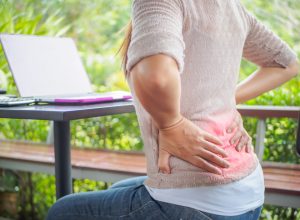


 So, now you know the fuss about stretching your fascia.
There are over 170 movement videos on the EBS platform, including 16+ stretching videos. All are excellent for your fascia.
Some of them are accompanied by full-body meditations, which are incredibly nourishing for your mind, body, and soul.
So, now you know the fuss about stretching your fascia.
There are over 170 movement videos on the EBS platform, including 16+ stretching videos. All are excellent for your fascia.
Some of them are accompanied by full-body meditations, which are incredibly nourishing for your mind, body, and soul.
 Believe me, you will feel amazing following an anti-inflammatory lifestyle.
But don’t just take it from me. This is what
Believe me, you will feel amazing following an anti-inflammatory lifestyle.
But don’t just take it from me. This is what 




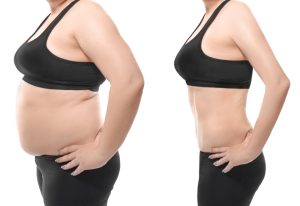 You will be amazed at the transformation!
Take a look at the program and check
You will be amazed at the transformation!
Take a look at the program and check 
 How can I flatten my tummy?
I get asked this question a lot, and I’m pleased to say that my answer never fails!
Every week, I receive testimonials from members saying they cannot believe their
How can I flatten my tummy?
I get asked this question a lot, and I’m pleased to say that my answer never fails!
Every week, I receive testimonials from members saying they cannot believe their 

 If you do this you cannot go wrong in your quest to reduce belly fat and flatten your tummy.
These powerful movements are easy to follow but do not have you breaking into hot sweats. They are not jarring to your joints and bones so there is no risk of creating future joint issues. Check out the ones with meditations. They are so nourishing to the mind, body, and soul.
If you do this you cannot go wrong in your quest to reduce belly fat and flatten your tummy.
These powerful movements are easy to follow but do not have you breaking into hot sweats. They are not jarring to your joints and bones so there is no risk of creating future joint issues. Check out the ones with meditations. They are so nourishing to the mind, body, and soul.


 You can age well and have a flat tummy. And it’s never too late to start working toward this. Weight gain can be safely turned around with the right foods, movement, and relaxation. I do all of the above and am in the best shape ever. I don’t do anything extra!
But don’t just take my word for it. Check out our
You can age well and have a flat tummy. And it’s never too late to start working toward this. Weight gain can be safely turned around with the right foods, movement, and relaxation. I do all of the above and am in the best shape ever. I don’t do anything extra!
But don’t just take my word for it. Check out our  Do you want results like these? Get started on your flat belly TODAY! Take a look at the program and check
  Yalda Alaoui is a qualified Naturopathic Nutritionist (with a foundation in Biomedicine) who studied with the
  Hello Everyone,
I am often asked about the signs of inflammation and how to tell if it’s a problem. But honestly, chronic inflammation will express itself differently for each of us! This is because we have a unique genetic makeup that influences our health.
However, there are some common signs of inflammation to look out for, some of which will surprise you.
Hello Everyone,
I am often asked about the signs of inflammation and how to tell if it’s a problem. But honestly, chronic inflammation will express itself differently for each of us! This is because we have a unique genetic makeup that influences our health.
However, there are some common signs of inflammation to look out for, some of which will surprise you.





 Have you heard of habit stacking? It’s a way of making positive changes to your life by adding a new habit to one that is already established. But is there any evidence behind this technique? And how do you get started?

 Here are some of the